
Five-Week-Old Baby Boy Dies of ‘Serious Injuries’ After Being Rushed to Hospital as Young Father, 23, Is Charged With Manslaughter in Harrowing Perth Family Violence Case
- A newborn just five weeks old died in Perth Children’s Hospital after allegedly suffering serious injuries at a home in the city’s north-east
- His 23-year-old father was tracked down and arrested in the regional town of Katanning, nearly three months after the baby’s death
- The man also faces an assault charge involving a woman in her 20s who is known to him, and police are treating both matters as family violence
- The case raises hard questions about how Australia protects its most defenceless children from harm behind closed doors
He was five weeks old. He had barely begun to open his eyes to the world.
Now a baby boy is dead, and the man police allege is responsible is his own father.
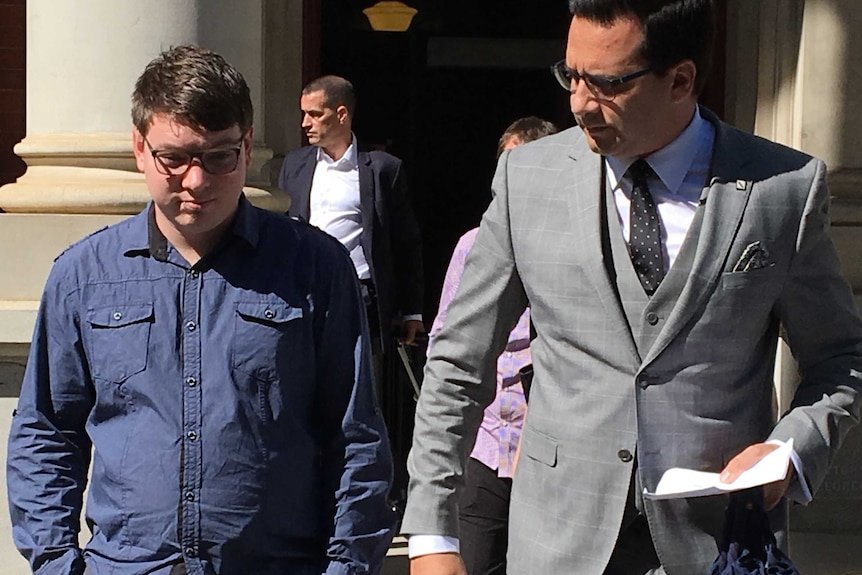
The heartbreaking case has stunned Western Australia, where a 23-year-old man has been charged with manslaughter following a lengthy investigation into the infant’s death.
It is the kind of tragedy that forces an entire community to confront an uncomfortable truth: for some of the nation’s youngest and most vulnerable, the greatest danger can lie inside their own home.
According to WA Police Force, the alleged incident unfolded on August 10 at a residence in Kiara, a suburb in Perth’s north-east.
The baby is alleged to have suffered serious injuries at the property.
He was first taken to a nearby medical centre, but the severity of his condition meant he was quickly transferred by ambulance to Perth Children’s Hospital, the state’s specialist paediatric facility.
Medical staff fought to save him. For five days, the tiny boy clung on.
He died on August 15. Police say his death was a result of the injuries he sustained.
What followed was a painstaking investigation stretching across almost three months.
It culminated this week when detectives arrested the 23-year-old at a home in Katanning, a farming town in the state’s Great Southern region, some 280 kilometres south-east of Perth.
He has been charged with manslaughter. He has also been charged with assaulting a woman in her 20s who is known to him.
Police have confirmed both incidents are being treated as family violence related.
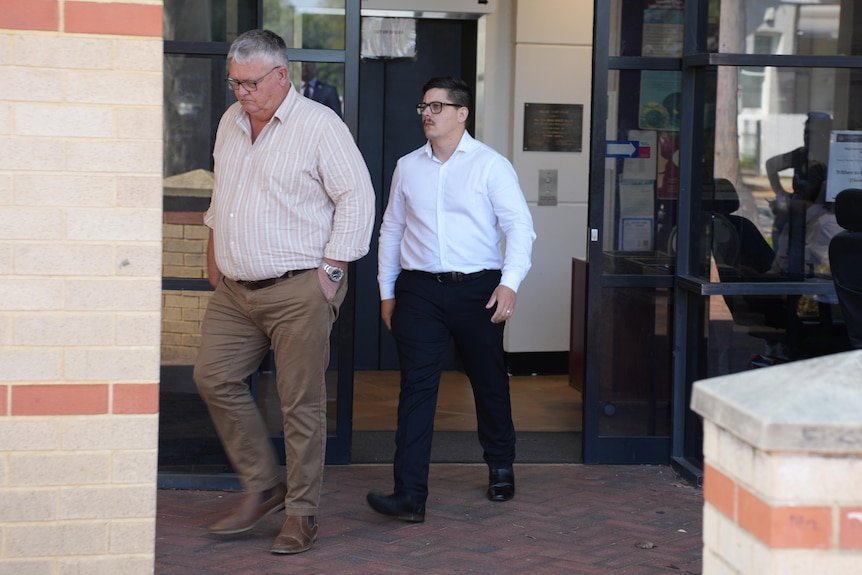
The man was due to appear before Perth Magistrates Court. He has not entered a plea, and the allegations against him have not been tested in court.
The gap between the boy’s death and the arrest is not unusual in cases involving infants.
Investigators typically must wait on detailed forensic and medical findings before they can determine how injuries were caused, and whether a criminal charge can be supported.
In matters this grave, police are under enormous pressure to get it right.
But the case lands at a moment when family violence is already at the centre of a fierce national conversation.
Across Australia, governments have spent years pledging to tackle the scourge of violence within homes. Much of the public focus has rightly fallen on women killed by current or former partners.
Yet child protection advocates have long warned that children, particularly babies who cannot speak, crawl away or ask for help, are often the silent victims caught in the same cycle.
Data compiled by the Australian Institute of Health and Welfare has consistently shown that infants under one are among the most at-risk groups when it comes to harm and neglect.
Their vulnerability is total. Their dependence on the adults around them is absolute.
That is what makes cases like this so devastating to the public conscience.
Analysis: What This Means for Australia
This is not merely a local tragedy confined to one Perth suburb. It goes to the heart of how Australia safeguards children in the critical first months of life.
For law enforcement, the case underscores the complexity of investigating harm to infants. Unlike most assaults, there is rarely a witness who can describe what happened.
Detectives must rely on medical evidence, timelines and the accounts of adults in the household.
The fact that a charge of manslaughter, rather than murder, has been laid reflects the legal distinction between an unlawful killing and one carried out with intent, a distinction that will ultimately be examined by the courts.
For communities, the impact is profound. Neighbours, extended family and frontline workers are often left asking whether warning signs were missed.
The additional allegation involving a woman known to the accused will intensify scrutiny on whether earlier intervention was possible, and whether existing support services are reaching families in crisis.
There are also significant social and economic consequences. Every death of this kind triggers coronial processes, child protection reviews and strain on already stretched hospital and welfare systems.
The staff at Perth Children’s Hospital who treated the boy will carry the weight of those five days long after the headlines fade.
More broadly, the case will add to mounting calls for child protection reform, better information sharing between agencies, and greater support for young parents who may be struggling under financial, emotional or personal pressure.
Child safety experts say the first weeks after a baby’s birth are among the most stressful periods any family will face, and that sleep deprivation, isolation and financial strain can create dangerous conditions in households already affected by conflict.
Law enforcement insiders warn that infant deaths remain among the most difficult cases to bring before a court, often taking months of specialist medical analysis before investigators can act with confidence.
Family violence advocates believe this case is a stark reminder that the national response must explicitly include children, not treat them as an afterthought to adult victims.
They argue that early home visits, accessible parenting support and stronger links between hospitals, police and welfare agencies could make a life-or-death difference.
Social policy observers note that regional and outer-suburban families can face particular barriers to accessing help, with services often thinly spread and waiting lists long.
For now, the legal process will take its course, and the accused is entitled to the presumption of innocence.
But one fact cannot be undone. A baby boy, five weeks old, did not live to see his second month.
If you or someone you know is affected by family or domestic violence, contact 1800RESPECT on 1800 737 732. In an emergency, call Triple Zero (000).
For crisis support, call Lifeline on 13 11 14.