
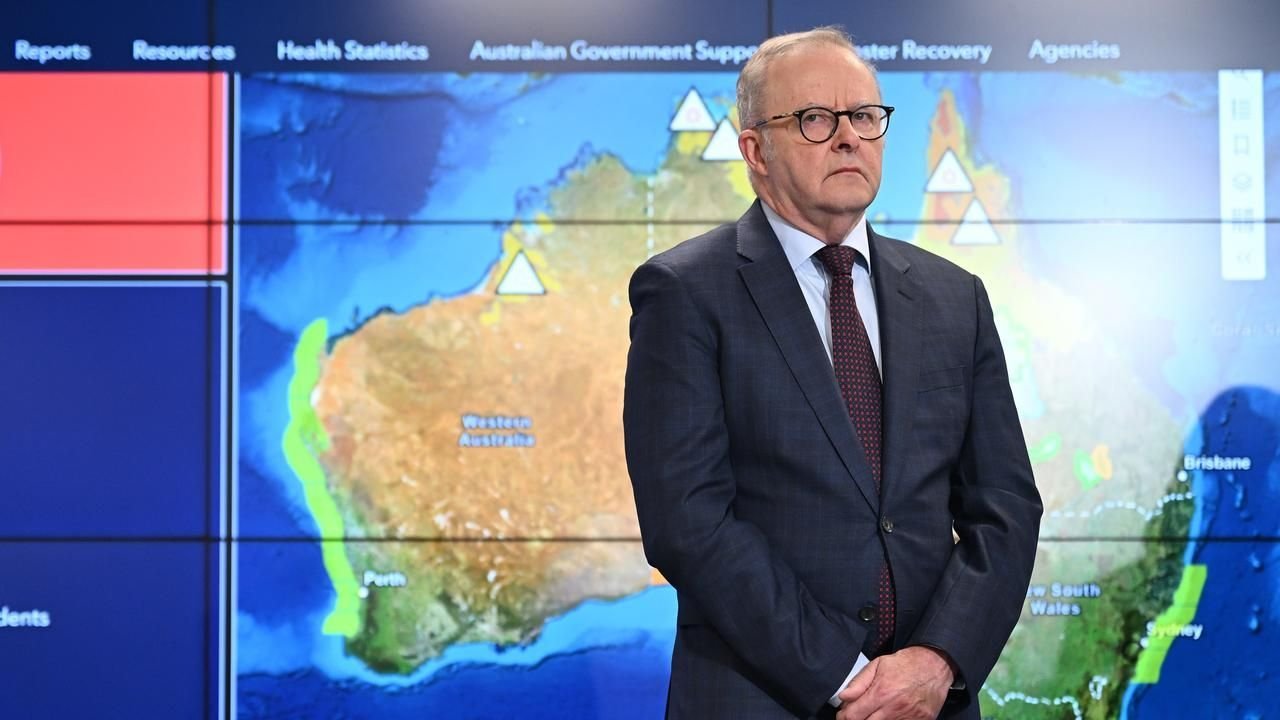
‘A Very Tough Summer Indeed’: Albanese Sounds the Alarm as Super El Nino Threatens to Unleash Fire Fury on a Nation Where Three in Four Families Have No Plan to Survive
- Prime Minister Anthony Albanese warns Australia is now “well and truly” inside its high-risk weather season, with a super El Nino set to intensify the danger.
- Snow fell across the NSW Snowy Mountains while Darwin and Broome baked in extreme heat, a weather split that has stretched emergency services across the country.
- Disaster spending has exploded by 280 per cent in a single year, making it the fastest-growing area of federal government expenditure.
- A new insurance report finds 75 per cent of Australians have no bushfire or severe weather plan, even after $385 million in summer claims last season.
The snow had barely settled on the Snowy Mountains when the warning came.
Australia, the Prime Minister declared, is staring down the barrel of a brutal fire season. The cold snap that has gripped the south-east is not a reprieve.
It is a distraction.
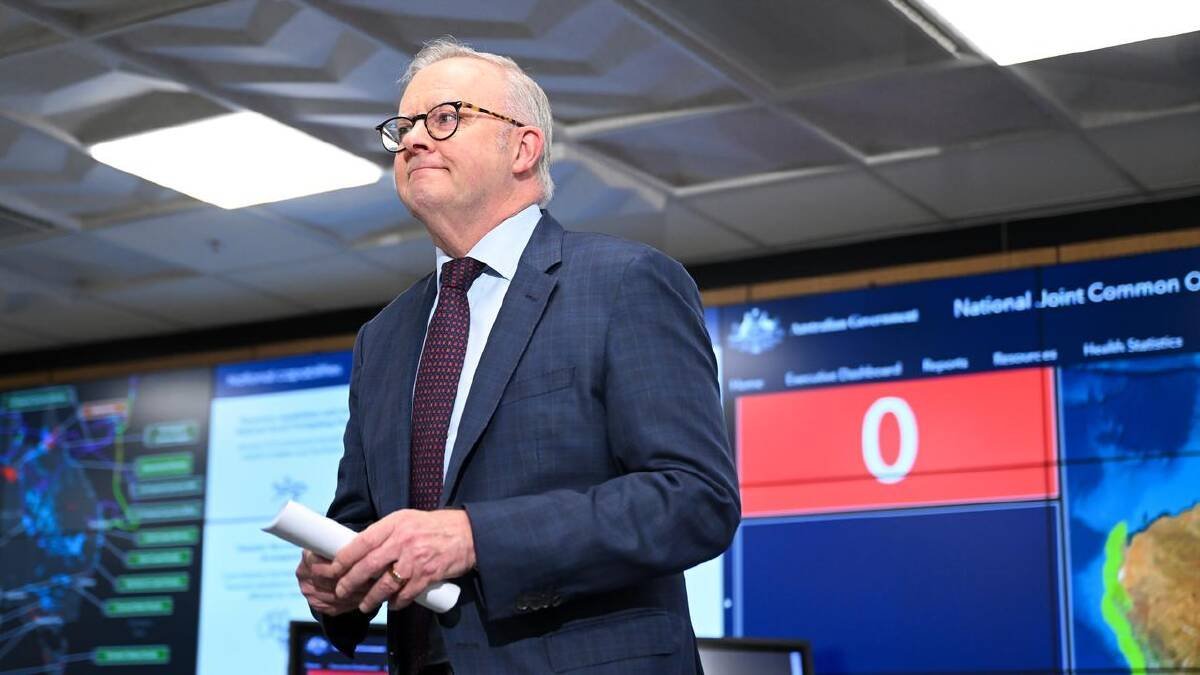
And for millions of households that have done nothing to prepare, the consequences could be devastating.
Standing inside the headquarters of the National Emergency Management Agency in Canberra on Monday, November 9, Anthony Albanese delivered a stark message to the nation: the advice he has received points to a summer that could be very tough indeed.
He said the country was now firmly within its most dangerous stretch of the weather calendar, with a super El Nino expected to amplify the threat of bushfires in the months ahead.
To meet that threat, the Prime Minister unveiled fresh funding for two key pillars of the national fire defence: the Australian Fire Danger Rating System, which tells communities how dangerous conditions are on any given day, and the National Bushfire Intelligence Capability, designed to sharpen how authorities predict and track blazes.
The package also includes money to support the mental health of emergency responders, the firefighters, paramedics and volunteers who carry the psychological scars of each catastrophic season.
Mr Albanese also pointed to extra investment in the national aerial firefighting fleet, emergency stockpiles now sitting at record levels, and work with telecommunications companies to keep phone and internet networks running when disaster strikes.
The timing of the announcement could hardly have been stranger.
Just 24 hours earlier, Cooma, Jindabyne and Thredbo in southern NSW, along with alpine pockets of Victoria, had been dusted with as much as 10 centimetres of snow.
On Monday morning, temperatures dropped below zero across parts of Victoria, NSW, Tasmania and the ACT following what Weatherzone described as an unseasonably cold November weekend.
Yet at the very same time, the opposite end of the continent was suffering. Northern Queensland, Darwin and Broome were sweltering through extreme heatwaves.
That collision of extremes, the Prime Minister said, is increasingly the norm. He noted that Australia regularly finds itself battling several disasters simultaneously, citing recent floods in Queensland and fires burning in the Northern Territory.
Such events, he told reporters, could have a massive impact on human life in the worst cases, as well as on the economy and the nation’s ability to function.
Mr Albanese said climate change was driving clear patterns of extreme weather, though he was careful to add that no single event could be blamed on it alone.
The broader picture is one Australians know painfully well.
The memories of the Black Summer fires, the repeated floods that have swamped towns along the east coast, and the relentless cycle of clean-up and rebuilding remain raw.
El Nino conditions typically bring hotter, drier weather to much of eastern Australia, drying out grasslands and forests and turning them into fuel. A super El Nino raises the stakes further.
Analysis: What This Means for Australia
The most staggering figure to emerge from Monday’s briefing was not about fire. It was about money.
According to the Prime Minister, disaster management and response was the fastest-growing area of government spending last financial year, surging 280 per cent between 2024-25 and 2025-26.
That is an extraordinary escalation. It signals that natural disasters are no longer occasional shocks to the federal budget but a permanent and rapidly growing burden on taxpayers.
Mr Albanese tied that pressure directly to the twin needs of readiness and mitigation, pledging that the government would stand behind those hit by disasters.
But the human side of the equation is far more worrying.
The Allianz Summer Risk Report 2026 found that 75 per cent of Australians have no severe weather or bushfire plan in place. Three in every four households, in other words, would be scrambling if an evacuation order arrived.
The insurer recorded $385 million in home and motor claims nationally across summer 2025-26. Storms were the single biggest driver of home claims, accounting for $107 million.
Those figures feed directly into the cost of living crunch. Rising claims push up premiums, and in high-risk regions, families are already finding cover harder to afford.
From a national security perspective, the strain on emergency services is significant.
When fires, floods and heatwaves strike simultaneously across different states, resources are spread thin, and the reliance on aerial fleets, stockpiles and resilient communications networks becomes critical.
Luke Whenman, Chief Claims Officer at Allianz Australia, said it was important to remember that behind the hundreds of millions of dollars in claims were people and families grappling with damage to their homes and cars.
“We know we can’t prevent everything from going wrong, but being prepared can help reduce the risk and lessen the impact when the unexpected does happen,” he said.
Emergency management observers say the mental health funding is long overdue. Responders face back-to-back deployments with little recovery time, and burnout has become a quiet crisis within volunteer brigades.
Security analysts note that keeping telecommunications online during disasters is vital, pointing to past emergencies where blackouts left residents cut off from warnings at the very moment they needed them most.
Industry observers believe the insurance data should serve as a wake-up call, warning that a severe season on top of last summer’s losses could place further upward pressure on premiums nationwide.
Disaster response insiders warn that complacency remains the greatest enemy. A cold, snowy weekend in the south-east, they say, can lull communities into a false sense of security just weeks before conditions turn deadly.
The Prime Minister’s message to the public was simple. Pack an emergency kit.
Prepare an evacuation plan. Switch on emergency alerts.
And listen to local authorities.
Residents are urged to monitor the Bureau of Meteorology and their state fire service for the latest warnings as the season unfolds.
Because if the forecasts are right, this summer will test Australia like few before it.