
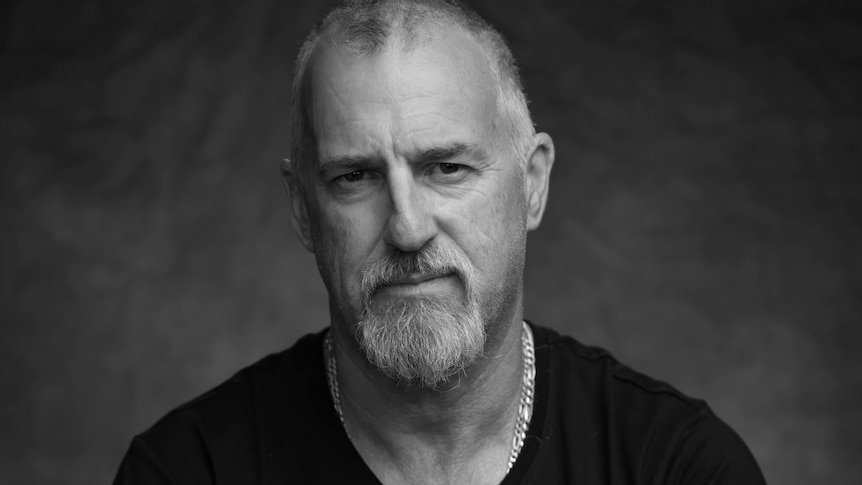
‘There Is No More Fight Left in Me’: Beaconsfield Mine Miracle Survivor Todd Russell Dies Aged 54, Twenty Years After He Cheated Death Nearly a Kilometre Beneath Tasmania
- Todd Russell, who spent 14 days entombed in rock after the 2006 Beaconsfield mine collapse, has died at 54 following an illness his family has chosen not to disclose.
- Days before his death, he told followers he was leaving Launceston General Hospital for the last time after eight and a half months, saying he had “nothing left to give”.
- Behind the national hero was a man who said he privately sat and cried, and who once came home to find his wife and children packed in the car, ready to leave.
- His death reopens hard questions about how Australia looks after the survivors of its disasters long after the cameras have gone.
For two weeks in 2006, a nation held its breath for him. In the end, the rock never claimed Todd Russell.
Two decades later, it was something far quieter that did.
The Tasmanian miner whose survival became one of the most extraordinary rescue stories in Australian history has died at the age of 54. His family confirmed his passing but has not revealed the nature of the illness that kept him in hospital for most of this year.
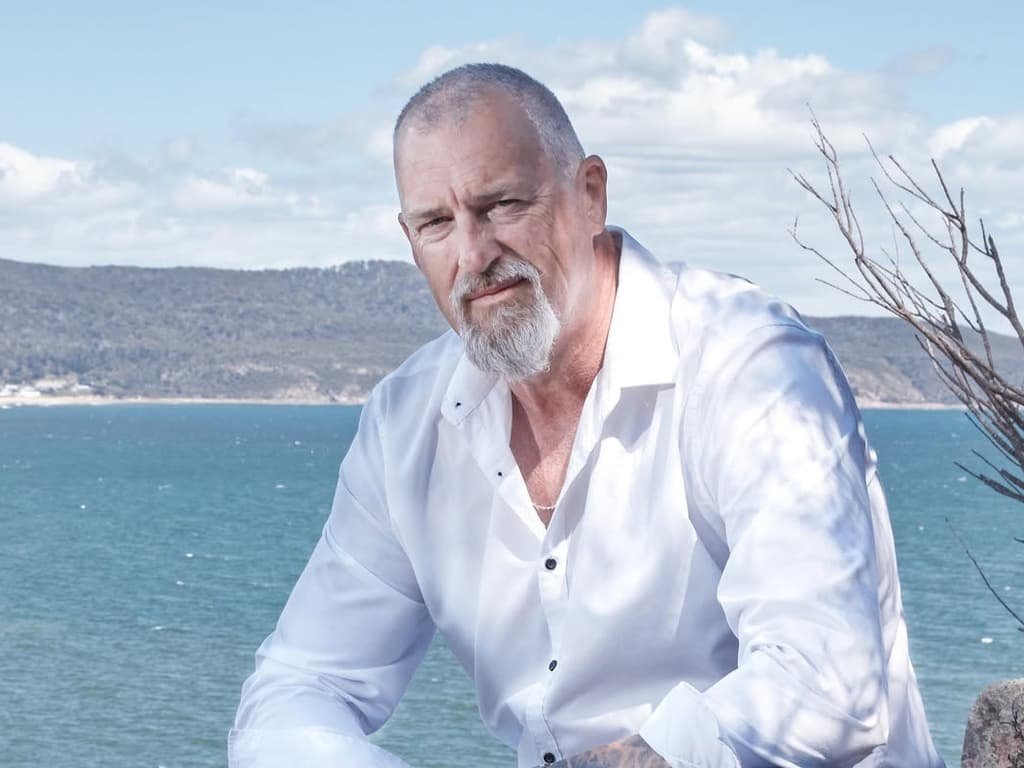
Tasmanian Premier Jeremy Rockliff led the tributes, offering a brief farewell on social media and saying his thoughts were with Russell’s family and all those fortunate enough to have known him.
The news comes barely a week after Russell delivered a heartbreaking public message.
On November 3, he wrote that years of pain, treatment, setbacks and emotional exhaustion had worn him down completely, and that doctors had run out of options.
“There is no more fight left in me,” he wrote, announcing he would leave Launceston General Hospital to spend his final days at home with his wife, children, loved ones and friends.
He also paid tribute to the hospital’s staff, crediting their care and kindness with easing an incredibly difficult journey.
He is survived by his wife and children.
To understand why his death has struck such a nerve, you have to go back to Anzac Day, 2006.
Russell and fellow miner Brant Webb were working deep inside the Beaconsfield gold mine in northern Tasmania when a seismic event brought tonnes of rock crashing down almost a kilometre below the surface.
Their colleague Larry Knight was killed. When his body was recovered from the rubble, hope for the other two men all but evaporated.
Many assumed they were dead too.
They weren’t.
Russell and Webb had survived inside the cage of the machine they had been operating, a pocket of space roughly the size of a dinner table.
Above them, rock hung precariously, locked together in a deadly balance. Russell later described it as a jigsaw puzzle where a single shifting piece could have crushed them both.
At first, he could move only his head and forearms. The rest of his body was buried.
For five days, before rescuers made contact, the pair kept themselves alive on one shared muesli bar and water trickling through the surrounding rock. Above ground, crews blasted and drilled a fresh tunnel towards them, inch by painstaking inch.
On May 9, after 14 days underground, the two men walked out to roaring cheers and a media scrum unlike anything Tasmania had ever seen.
The fame was instant and relentless. A book was rushed out within months.
In 2007, the Foo Fighters released ‘Ballad of the Beaconsfield Miners’. A telemovie followed to mark the sixth anniversary of the rescue.
Russell also faced the painful public scrutiny of the coronial inquest in Launceston in 2008.
Russell would later say he hated the attention. He spoke of reporters leaning over his fence while he tried to eat breakfast, and a frenzy that persisted for around 18 months.
He went underground an ordinary man, he said, and came back with his identity gone, surrounded by strangers who felt they knew him after watching him for a fortnight.
The private toll was severe. His mental health deteriorated, worsened by the deaths of both his parents in the years that followed.
He recounted returning home one day to find his wife and children in the car, bags packed, preparing to leave.
He sought professional help. By 2024, he said he was rebuilding his relationships and had become a proud grandfather.
Analysis: What This Means for Australia
Russell’s story is more than a tale of survival. It is a stark case study in what happens to Australians after disaster, when the headlines fade and the trauma does not.
The nation celebrated the Beaconsfield rescue as a triumph of grit and engineering. But the long tail of psychological harm, the shattered privacy, the strain on family, the grief compounded by trauma, received far less attention.
That gap matters for a country that regularly confronts bushfires, floods and industrial accidents, each producing its own survivors.
For the resources sector, Beaconsfield remains a reference point in conversations about workplace safety underground.
Regulators including Safe Work Australia continue to grapple with how to protect workers from catastrophic ground failure, and Russell himself believed he had been spared partly so he could speak at safety conventions.
The social dimension is equally pressing. Regional communities like Beaconsfield often lack the specialist mental health services that city residents take for granted.
Russell’s openness about seeking help, and his insistence that life improves with professional support, sent a powerful message in towns where men are expected to tough it out.
His contribution above ground was also significant. A keen footballer and hunter, Russell did not enter mining until his late 20s.
He went on to serve with the Beaconsfield Fire Brigade, eventually retiring as its chief, a role that placed him back on the front line of protecting his own community.
Mental health advocates say high-profile survivors who speak honestly about their struggles can shift attitudes in ways no government campaign can match. Organisations such as Beyond Blue have long argued that stigma remains a key barrier, particularly among working men in regional Australia.
Industry observers believe Beaconsfield changed how mining companies think about emergency response, but warn that post-incident psychological care for workers and families still varies widely across the sector.
Trauma specialists note that the effects of an event like Beaconsfield can surface years later, and that intense media exposure can compound the damage by stripping survivors of the chance to recover privately.
Russell put it best himself.
Speaking on a sports podcast in 2022, he described two versions of himself: Popeye, the hard man people saw in public, and Tweety Bird, the vulnerable one who cried when no one was watching.
People assumed he was doing fine, he said. They didn’t realise he was hurting.
Twenty years on from the day the earth closed in around him, that may be his most enduring lesson to the country that once watched, and waited, and cheered.
Readers seeking support can contact Lifeline on 13 11 14.