
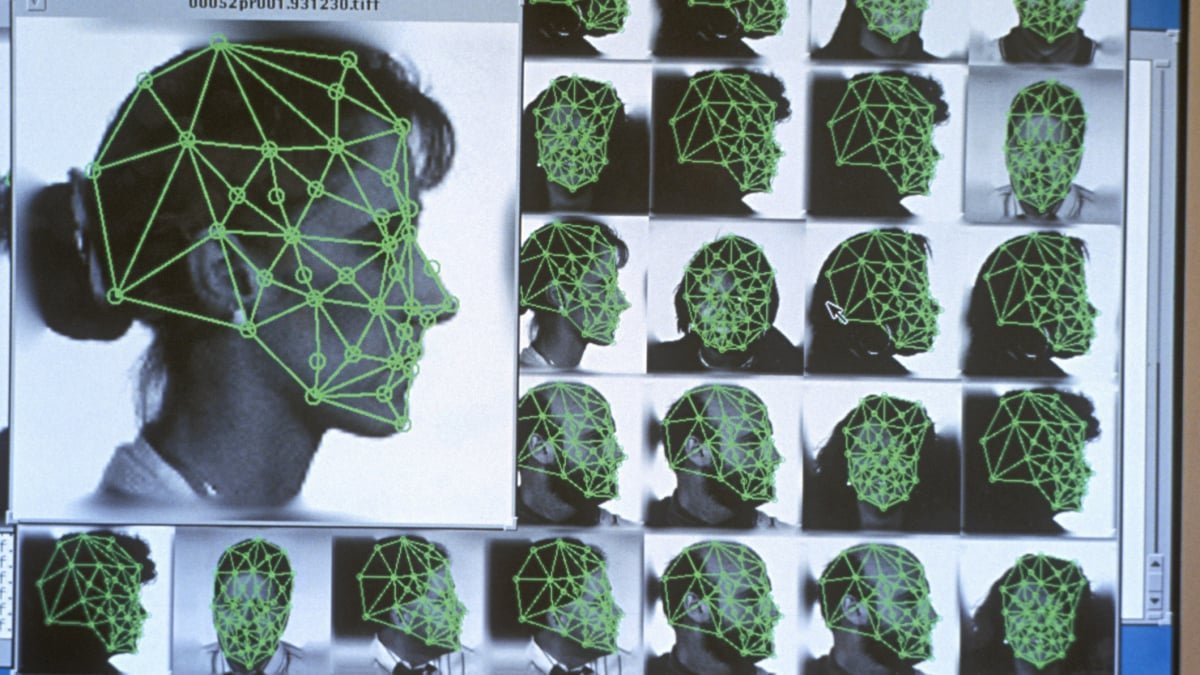
Big Brother at the Checkout: Woolworths Plans to Scan Every Shopper’s Face at Two Canberra Supermarkets After ‘Appalling’ 460 Per Cent Surge in Violence Against Staff
- Every customer walking into Woolworths at Woden and Gungahlin could soon have their face scanned and checked against a watch list of violent repeat offenders.
- The supermarket giant says incidents of abuse and aggression against its workers have jumped by a staggering 460 per cent nationwide since 2020.
- A union boss revealed a worker was beaten with a baseball bat right next door to one of the targeted stores only months ago.
- The technology could be switched on within weeks, reigniting a fierce national debate over privacy, policing and who gets to watch Australians as they shop.
It is meant to be the most ordinary errand in the world. Milk, bread, a quick dash through the self-serve lane.
But for the people stacking shelves and staffing registers at two of Canberra’s busiest supermarkets, the weekly shop has become something far more dangerous. Now, one of the nation’s biggest retailers believes the answer lies in a camera that never forgets a face.
Woolworths has confirmed it is weighing up a trial of facial recognition technology at its Woden and Gungahlin outlets in the ACT, a move that would see every shopper who walks through the doors silently photographed, analysed and compared against a database of known troublemakers.
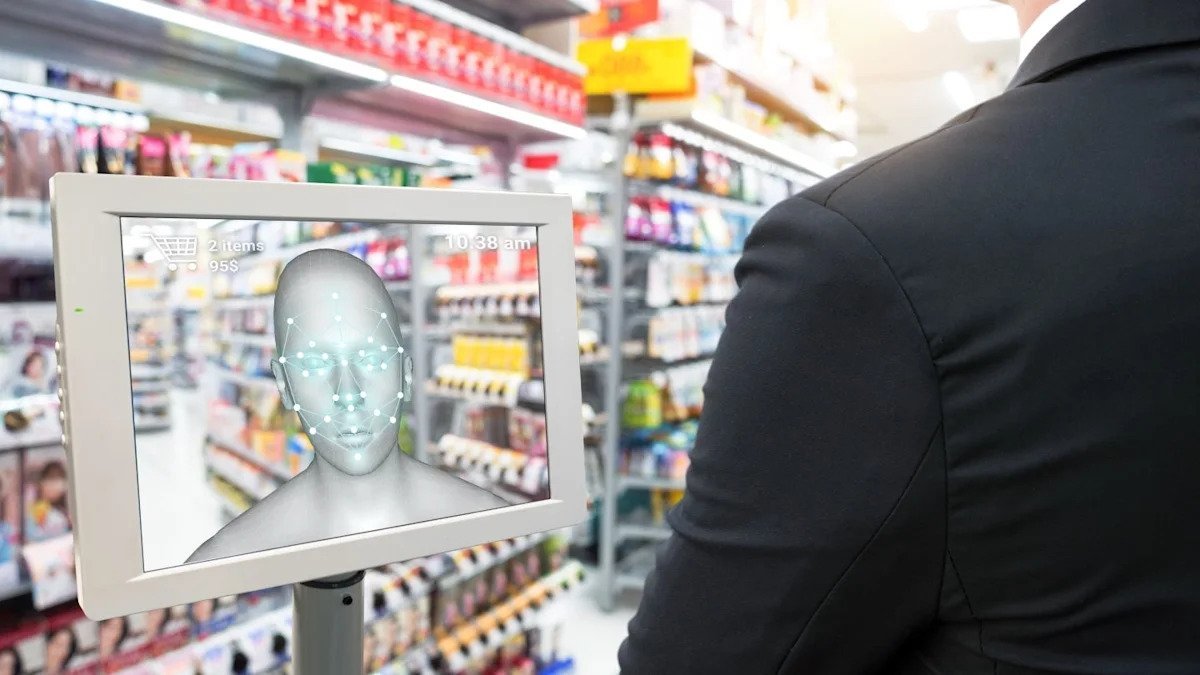
Staff at both stores are being consulted right now. If they give the green light, the system could be operating before the month is out.
Sarah Faorlin, who heads violence prevention for the grocery chain, told ABC Radio Canberra the pair of stores had been singled out because an unusually large number of workplace protection orders are already in force there.
She did not mince words about the territory, conceding the ACT experiences high levels of aggression and violence, and describing the ongoing attacks on workers simply trying to do their jobs as appalling.
The mechanics are simple, and to some, chilling. On entry, a camera captures a shopper’s face and generates a temporary biometric profile.
That profile is instantly checked against Woolworths’ list of repeat violent and aggressive offenders.
No match? The company says the data is wiped within a single second.
A match? Staff are alerted to the person’s presence, and police may be called.
Woolworths insists it will be fully transparent, promising prominent signage outside both supermarkets so customers know exactly what is happening before they set foot inside.
The push did not come out of nowhere.
The ACT became the first jurisdiction in the country to introduce workplace protection orders in 2016, giving employers a legal tool to bar violent individuals from their premises.
Ms Faorlin said the orders had delivered great success for Woolworths in Canberra. The problem, critics of the current system argue, is enforcement.
An order is only as good as a worker’s ability to recognise the person it names, often in the middle of a crowded shift.
That is precisely the gap facial recognition is designed to close.
The company frames it as an extra layer of protection for both employees and customers, specifically targeting the small number of offenders who return again and again.
The backdrop is a retail sector under siege.
Woolworths’ own figures show a 460 per cent increase in what it calls unacceptable incidents across its national store network since 2020, a period that spans pandemic-era tensions, soaring grocery bills and the broader cost of living crisis.
Retailers across the country have responded with body-worn cameras, locked cabinets, security guards and smart gates. Facial recognition is the next, and most controversial, step.
Analysis: What This Means for Australia
This is not just a Canberra story. What happens in Woden and Gungahlin could set the template for how surveillance technology is rolled out in shopping centres from Perth to Parramatta.
Australian retailers have been here before, and it did not end well.
Bunnings and Kmart both faced a storm of public backlash after their use of facial recognition was exposed, and the Office of the Australian Information Commissioner ultimately found Bunnings had breached the privacy of customers through its system.
That ruling sent a clear warning shot across the entire industry.
Woolworths appears to have learned from those missteps, leaning heavily on consultation, signage and rapid data deletion.
But the fundamental question remains: should a private company be scanning the biometric data of hundreds of thousands of innocent people to catch a handful of offenders?
For law enforcement, the implications are significant.
The trial blurs the line between private security and public policing, with a corporate watch list effectively acting as an early-warning system for ACT Policing.
For communities, the stakes cut both ways. Retail is one of the largest employers of young Australians, many of them teenagers in their first jobs.
Their safety is non-negotiable. Yet trust in how corporations handle personal data is fragile, particularly after a string of devastating data breaches that have exposed millions of Australians.
There is an economic dimension too. Retail crime costs businesses dearly in theft, staff turnover, sick leave and security spending, costs that inevitably flow back to shoppers at the checkout.
Bernie Smith, NSW and ACT secretary of the Shop, Distributive and Allied Employees Association, has thrown the union’s support behind the technology, but only within very strict guidelines and with genuine social licence.
He was blunt about why. Anyone who imagines this is merely about shoppers losing their temper at the tills, he suggested, needs to understand the reality.
A union member working near the Woden store was attacked with a baseball bat just a couple of months ago.
Mr Smith said his understanding was that police would not be summoned every time the system flagged someone. Instead, calls would be made where a workplace protection order had been breached, because that is a criminal offence requiring police enforcement.
Privacy advocates and security analysts say the devil will be in the detail. Who decides who goes on the watch list?
How long do names stay there? Can people appeal?
And what happens when the software gets it wrong?
Industry observers believe the Canberra trial will be closely watched by competitors. If it proves effective and avoids a privacy scandal, a broader rollout across other states would be almost inevitable.
Law enforcement insiders warn, however, that technology alone will never solve the deeper drivers of aggression, from addiction and mental illness to financial desperation.
For now, the decision rests with the workers on the shop floor in Woden and Gungahlin. Their answer could shape what every Australian sees when they look up at the camera above the supermarket door.