
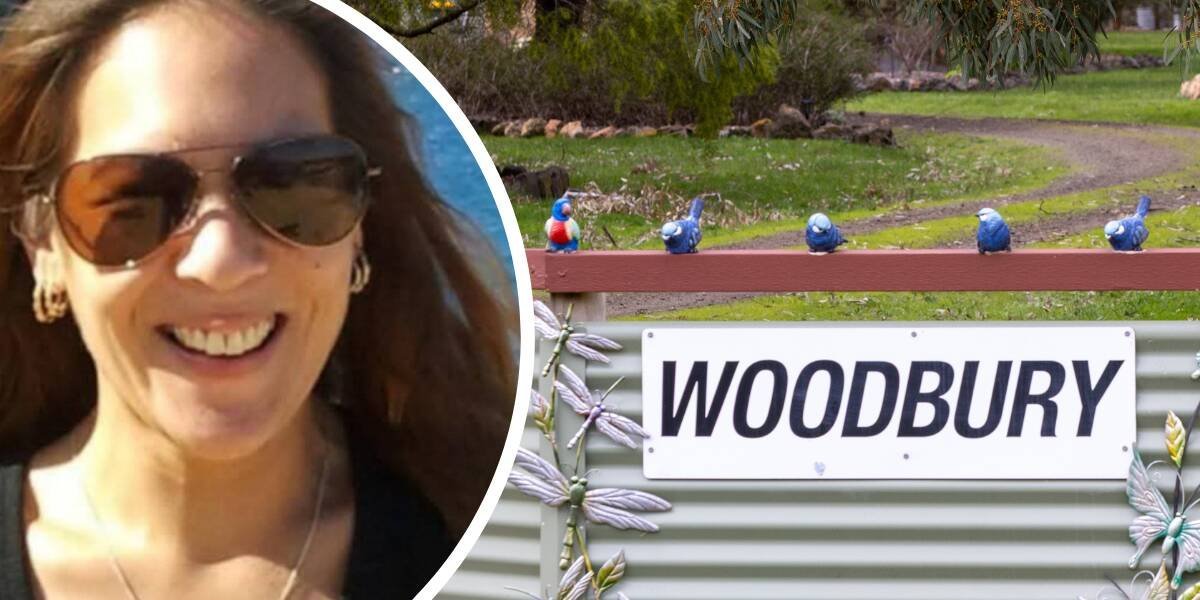
‘Pretty Sure You Killed Her’: Old School Friend Who Moved In to Help Grieving Widow Found Guilty of Murdering Her and Then Drinking and Smoking for Four Days as Her Body Lay in a Spare Room
- David Douglas McLennan, 50, has been found guilty of murdering Caroline ‘Carlee’ Smith, 48, at her rural property near Hamilton in south-west Victoria
- Security cameras inside the home allegedly captured him muttering ‘pretty sure you killed her’ moments after the fatal attack
- The mother-of-the-house suffered severe head injuries and 12 broken ribs, and his DNA was found beneath her fingernails
- He had moved in as a trusted friend to help her care for her dying husband, before their relationship turned bitter
He arrived as a helping hand.
A familiar face from schooldays on the other side of the country, offering to carry some of the weight as her husband slowly died of cancer.
Nineteen months later, Carlee Smith was dead in her own spare bedroom. And the man she had let into her home was sitting in the house, drinking and smoking, as days passed.
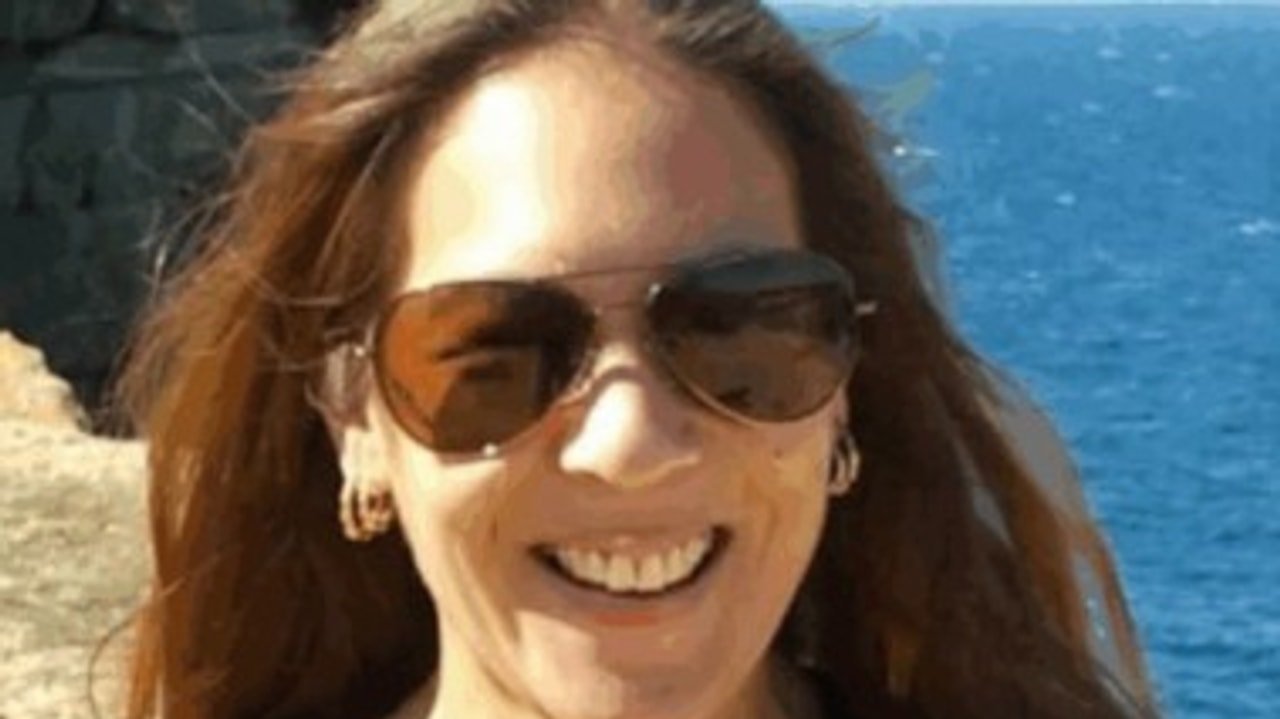
Now a jury has delivered its verdict. David Douglas McLennan is a murderer.
The 50-year-old was convicted in the Supreme Court of Victoria, sitting in Warrnambool, after a nine-day trial that laid bare the final, violent hours of a 48-year-old woman’s life on her property off the Henty Highway near Hamilton.
Jurors needed roughly five hours of deliberation to reject his not guilty plea. McLennan showed no reaction as the verdict was read.
He was remanded in custody and will face a plea hearing before he is sentenced at a later date.
The prosecution case was that on the evening of May 11, 2025, McLennan launched a violent assault on Ms Smith and strangled her.
The injuries described in court were brutal. Ms Smith suffered significant trauma to her head.
Twelve of her ribs were fractured. McLennan’s DNA was recovered from under her fingernails.
Then came the evidence that may have sealed his fate. Cameras installed inside the home recorded McLennan speaking to himself shortly after the attack was believed to have taken place.
‘Pretty sure you killed her,’ he was heard to say.
He did not call for help. Instead, the court heard, he stayed on at the property for four days, drinking and smoking, while her body remained inside.
It was only when Ms Smith stopped answering calls and messages that alarm was raised. On May 15, officers from Victoria Police attended for a welfare check.
That evening they found her body in the spare room. McLennan was located in a shed on a neighbouring property.
Inside the house, a notebook had been left on a bench. Prosecutors told the jury it contained the words ‘There is evil in this house’ and ‘I was pushed too far … I’m just a man’.
McLennan’s defence did not contest a number of the facts. But his lawyers argued he never intended to kill Ms Smith, nor to cause her serious injury.
The jury was not persuaded.
The story of how McLennan came to be living under her roof is one of loyalty that curdled into resentment.
The pair had been friends at school in Western Australia. In October 2023 he moved into her home in south-west Victoria to help after her husband was diagnosed with terminal cancer.
Her husband died in September 2024.
Prosecutors were clear the two were not in a romantic relationship. But in the months after her husband’s death, the household became a place of conflict.
Text messages tendered to the court pointed to escalating tension and heated arguments.
In messages to his own family, McLennan described Ms Smith as ‘crazy’ and said he was being driven to ‘breaking point’.
Analysis: What This Means for Australia
This case does not fit neatly into the categories Australians usually associate with violence against women. There was no marriage, no romance, no ex-partner with a history police had flagged.
And that is precisely why it should alarm communities across the country.
The danger came from inside the home, from a man living there as a carer and companion during a period of profound grief and vulnerability.
Many households across regional Victoria and beyond rely on informal arrangements like this one, with friends or relatives moving in to help through illness, ageing and bereavement.
Those arrangements often sit entirely outside the radar of support services. There is no case manager, no check-in, no outside eyes.
When conflict builds, there may be nobody close enough to notice.
Geography compounded the risk. A rural property on a highway outside a regional town can mean neighbours at a distance and help a long way off.
Ms Smith lay dead for four days before anyone came looking.
For law enforcement, the case underlines how crucial home security footage and digital evidence have become in family violence and domestic homicide prosecutions. Text messages charted the deterioration of the relationship.
A camera captured words that no witness could have heard.
Socially, the verdict will add to a grim national toll.
The killing of women in their homes remains one of Australia’s most persistent public safety failures, with figures tracked by the Australian Institute of Criminology repeatedly showing that women are most at risk from men they know.
Legal observers note that Victoria’s broad definition of family violence can extend to people living together in a domestic setting, not only intimate partners, a recognition that the threat can come from flatmates, carers and relatives alike.
Family violence specialists warn that phrases like ‘pushed to breaking point’ and ‘I’m just a man’ are textbook examples of offenders shifting blame onto victims. They say such language should be treated as a red flag, not an explanation.
Community safety advocates believe the case should prompt a broader conversation about the strain carried by households coping with terminal illness and grief, and the need for support that reaches people who would never think to call a hotline.
Law enforcement insiders say welfare checks triggered by unanswered calls remain one of the most important tools police have, and urge Australians not to hesitate if a friend or family member suddenly goes silent.
Legal analysts expect the defence’s argument about intent to resurface at the plea hearing, where the court will weigh the circumstances of the attack, McLennan’s conduct in the days that followed and any material put forward in mitigation.
For those who knew Carlee Smith, none of that will change the outcome. A woman who had just buried her husband was killed in her own home by the man who came to help.
If you or someone you know is affected by family or domestic violence, contact 1800RESPECT on 1800 737 732. In an emergency, call triple-zero.