
‘Minor Issue’: Laos Leader’s Stunning Remark on Methanol Deaths of Two Melbourne Teens as Albanese Demands Swift Justice in Tense Face-to-Face Showdown
- Laos Prime Minister Saleumxay Kommasith called the methanol poisonings that killed Melbourne teenagers Holly Morton-Bowles and Bianca Jones a “minor issue” while standing beside Anthony Albanese
- Albanese used a public appearance at the ASEAN summit in Manila to tell his Lao counterpart Australia wants a “speedy resolution”
- A year on, a distillery owner faces a maximum of four years behind bars, and hostel staff accused of tampering with evidence received only fines and suspended sentences
- Holly’s father has spoken of “conflicting stories” from Lao authorities and openly raised fears of corruption
Two families in Melbourne have spent a year waiting for answers. On Monday, they heard the death of their daughters described as a “minor issue”.
That was the phrase used by the Prime Minister of Laos, Saleumxay Kommasith, as he stood alongside Anthony Albanese in the Philippine capital.
He was speaking about the deaths of 19-year-old best friends Holly Morton-Bowles and Bianca Jones, who were poisoned with methanol in a party town popular with backpackers.
It was a jarring moment in an otherwise carefully managed diplomatic meeting.
It also lays bare a hard truth for the thousands of young Australians who travel through Southeast Asia every year: when tragedy strikes overseas, Canberra’s ability to deliver justice is limited.
The two leaders met privately on the sidelines of the ASEAN summit in Manila before making brief remarks in front of the cameras.
Albanese chose that moment to raise the case.
He told Kommasith that the girls’ families held understandable concerns about how serious the charges laid so far actually were, and said Australia wanted the matter resolved quickly, if possible.
He described it as an issue that mattered to Australians, while thanking Laos for its cooperation and dialogue.
Kommasith replied that his government was doing its best to bring those responsible to justice. He conceded the process had become “a little bit lengthy”.
He said proceedings had not yet concluded.
Laos was working with Thai authorities to gather further evidence and data, he said, and once that material was in hand, the earlier rulings of the local court would be reviewed to ensure nothing had been overlooked.
He insisted Laos was not taking the matter lightly, saying security officials were working on it every day. Then came the remark that will sting families back home.
Laos did not want “these minor issues”, he said, to become an obstacle to what he called an “already excellent” bilateral relationship. He pledged to share any new developments with Australia.
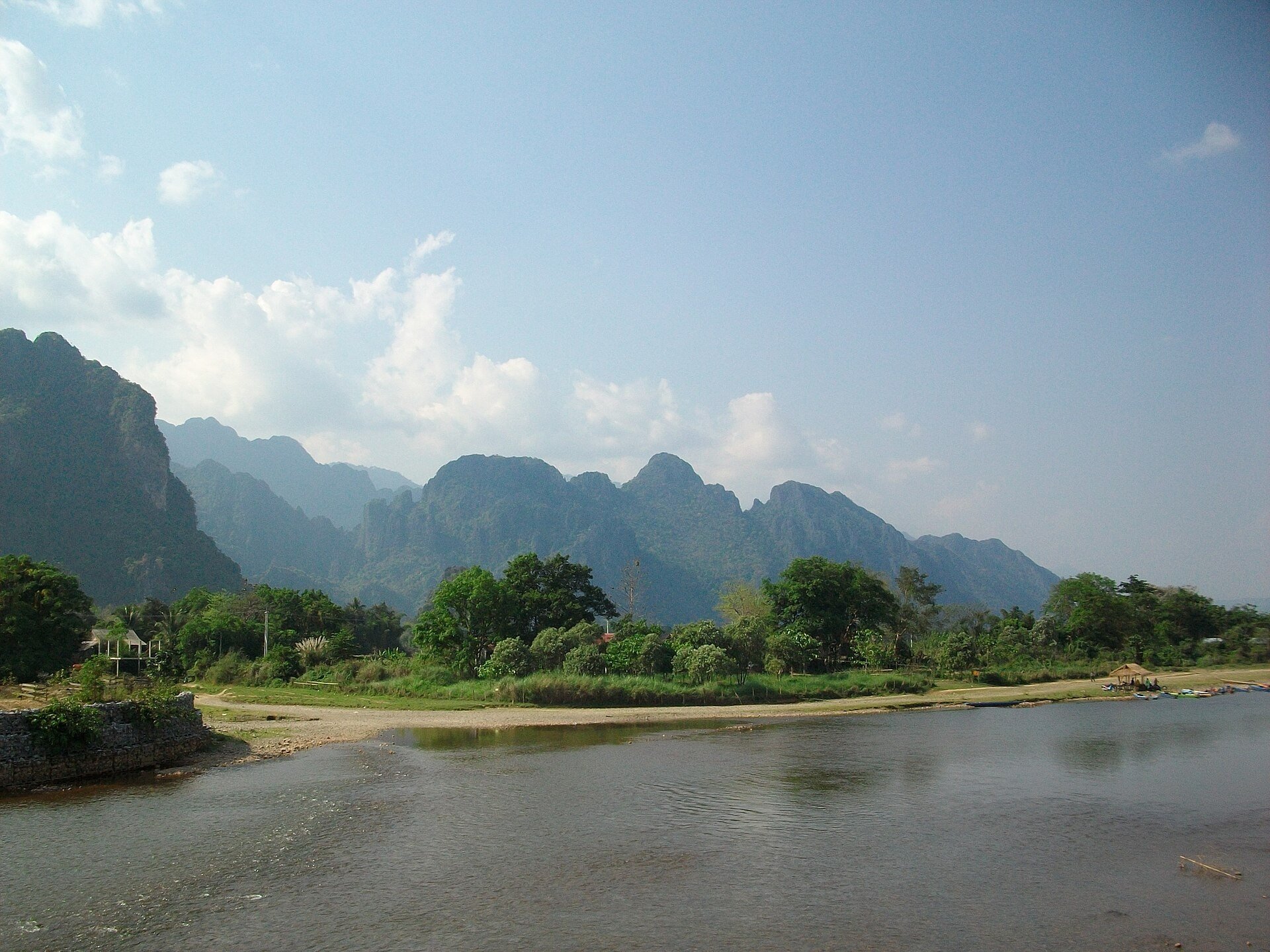
The tragedy unfolded in November 2024 at the Nana Backpacker Hostel in Vang Vieng, a riverside town long known as a stop on the Southeast Asian party circuit.
Holly and Bianca, friends from Melbourne on the trip of a lifetime, drank shots that turned out to be laced with methanol. This toxic industrial alcohol can cause blindness, organ failure and death in small doses.
Both girls became gravely ill. Neither survived.
They were not the only victims.
An American man, two Danish women and a British woman who had stayed at the same hostel also died, turning a single night into an international disaster that made headlines around the world.
Since then, the legal response in Laos has drawn widespread anger. The owner of a local distillery has been charged and faces a maximum of four years in prison if convicted.
Several hostel staff members were found to have interfered with evidence. They walked away with fines and suspended sentences.
For grieving families, those outcomes come nowhere near the scale of the loss.
The frustration reached the highest levels of the Australian government in July.
Foreign Minister Penny Wong summoned the Lao ambassador and said publicly that she was “deeply frustrated and bitterly disappointed” with how the process was being handled.
The Department of Foreign Affairs and Trade has also faced criticism. It apologised to the families after failing to keep them properly informed.
In an unusual move, it appointed veteran diplomat Pablo Kang, a former ambassador to Cambodia and the United Arab Emirates, as a special envoy for the case, effectively going around the regular ambassador.
Analysis: What This Means for Australia
The Vang Vieng deaths raise a hard question for Australia: how far can a government go to protect its citizens, and seek justice for them, once they cross a border?
Young Australians travel through Southeast Asia in huge numbers. Cheap flights, cheap drinks and a backpacker culture built on excess make the region irresistible.
But methanol-tainted alcohol has been a recurring danger, and this case shows how quickly a holiday can become a death sentence.
For law enforcement, the limits are obvious. Australian police have no power to investigate or prosecute on Lao soil.
Canberra can only lobby, press and wait. Allegations of evidence tampering, and the light sentences that followed, will deepen public doubts about whether foreign legal systems can be trusted to deliver accountability.
There is a geopolitical dimension too. Laos is a small nation in a region where Australia is competing for influence.
Pushing too hard risks alienating a partner. Pushing too softly risks telling Australians that their lives come second to diplomacy.
Kommasith’s “minor issue” comment highlights how differently the two governments appear to view the stakes.
At home, the impact goes well beyond two families. Parents across the country now hesitate before waving their children off on gap-year adventures.
Advice from Smartraveller about the dangers of spiked or counterfeit spirits has taken on new urgency. The case has also put fresh pressure on how Australia handles consular assistance when citizens die overseas.
Diplomatic observers say Albanese’s decision to raise the case publicly, rather than behind closed doors, sent a deliberate message.
His tone was measured compared with Wong’s, but putting the issue on the record in front of the cameras signalled that Canberra will not let it quietly disappear.
Foreign policy analysts warn, however, that Laos’s promise to “review” the earlier trial is not a commitment to tougher charges. They say Australia has little leverage to force a different outcome.
Consular insiders believe the special envoy appointment showed an admission within government that the normal channels were not working. That is a precedent likely to shape how future overseas tragedies are managed.
Travel safety advocates argue the deaths should spur a broader regional crackdown on illicit and bootleg alcohol. They warn that without real consequences for those responsible, the conditions that led to the poisonings will remain.
For Holly’s father, Shaun Bowles, the wait has been agonising. In July, he said it was hard to put into words how disappointed his family felt.
He said Lao authorities had given them “so many conflicting stories”.
He doubted that meaningful new evidence would emerge so late in the investigation, and he pointed to what he described as well-known corruption in the country.
Lao officials have reportedly declined or ignored repeated requests for interviews about the case.
A year after two Melbourne teenagers were poisoned in a backpacker hostel, their families are still waiting for justice. They have now been told their loss is a “minor issue”.