
Harvey Norman Profits Nearly Halved as ‘Rate Rise Recession’ Grips Australian Households, Retail Giants Bet Everything on Black Friday Rescue
- Harvey Norman’s pre-tax profit crashed by 47 per cent across July to October as cash-strapped Australians stopped buying fridges, couches and televisions
- Five interest rate rises this year have gutted household budgets, with David Jones and General Pants among the big names to fall into administration
- Furniture seller Nick Scali saw orders slump 15 per cent, and Bunnings, JB Hi-Fi and Rebel Sport’s owner have all reported slowing sales
- Retailers are now relying on Black Friday and Christmas to save their year, and analysts warn that a weak season could bring more collapses
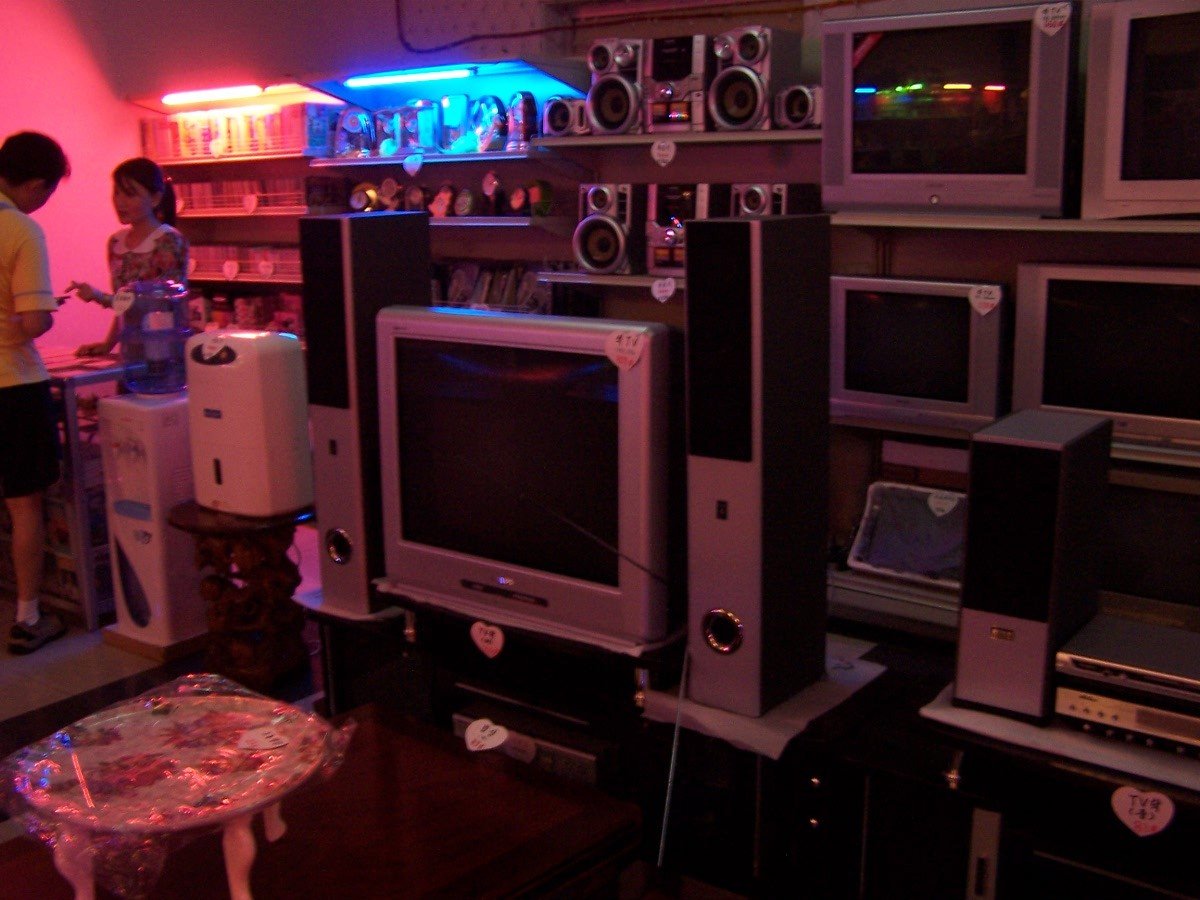
The new fridge can wait. So can the lounge suite, the big-screen TV and the washing machine that has been rattling for months.
Across the country, families are holding off on purchases they once made without much thought. The cost of that caution is now showing up in the books of one of Australia’s best-known retailers.
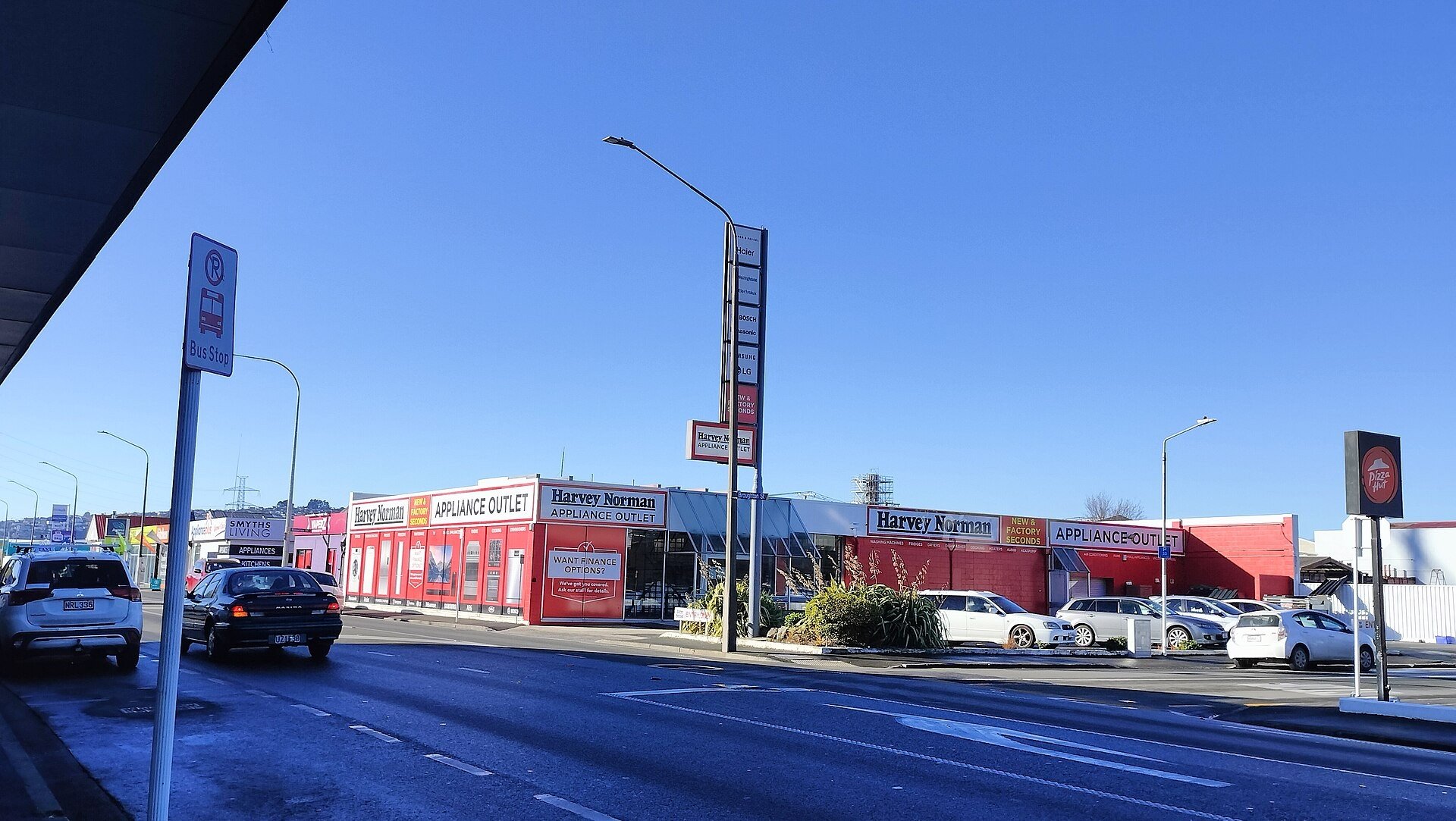
Harvey Norman has revealed that its profit before tax fell by 47 per cent in the four months from July to October, compared with the same period a year earlier.
The result shows how hard mortgage holders and renters have been squeezed this year.
Investors reacted quickly.
Shares in the whitegoods and electronics chain fell 4 per cent in early trade on Wednesday after the company released its trading update to the Australian Securities Exchange.
The problems were not limited to Australia.
Harvey Norman also reported a 26.8 per cent fall in comparable sales in its United Kingdom business, a drop that will worry shareholders already concerned about the home market.
The group runs 195 franchised stores across Australia and another 121 company-operated outlets in New Zealand, Asia and Europe. Its fortunes are closely tied to how confident ordinary consumers feel about their finances.
Despite the poor result, the retailer struck a hopeful note.
It told the market that November and December have historically delivered the largest share of its first-half profit, and said it expects a solid lift in sales as the year ends.
That means the business is relying heavily on Black Friday and Christmas.
To understand how the retailer reached this point, consider what has happened to household budgets this year.
Five interest rate rises have pushed up monthly repayments for millions of borrowers. Money that might once have gone on a new dining table or an upgraded laptop is now going to banks.
Spending on large, non-essential items is usually the first thing to go.
Harvey Norman is not alone. The retail sector has been hit across the board this year.
Furniture retailers have been among the worst affected.
Furniture chain Nick Scali downgraded its profit outlook in October, revealing first-quarter orders were down 15 per cent and foot traffic in its showrooms had slipped 10 per cent.
Online homewares seller Temple & Webster recorded an 8 per cent fall in revenue between early July and October 19. The company said it had deliberately cut back on deep discounting to protect its margins.
Even businesses that usually hold up well in downturns are showing signs of strain.
Bunnings, JB Hi-Fi and Super Retail Group, which owns Rebel Sport, BCF and Macpac, have all reported or flagged slowing sales as shoppers wait for end-of-year bargains.
Clothing and footwear have also suffered.
Footwear retailer Accent Group, owner of Platypus, Hype DC and The Athlete’s Foot, said comparable sales were down 3.9 per cent over the opening 19 weeks of the financial year.
Some fashion retailers have not survived. The collapses of department store David Jones and youth label General Pants are the latest in a string of high-profile administrations this year.
Analysis: What This Means for Australia
The Harvey Norman result is about more than one company.
It reflects the wider cost of living crisis and suggests that the effects of higher interest rates have moved from household budgets into the broader economy.
When retailers struggle, the effects spread. Shop floor workers face fewer shifts.
Warehouse staff, delivery drivers and logistics firms see less work. Shopping centres face more empty tenancies, and suburban and regional strips lose the foot traffic that keeps smaller neighbouring businesses going.
The collapses of David Jones and General Pants show that even well-established names are vulnerable. Each administration puts jobs, supplier payments and gift card balances at risk.
For towns where a single large store anchors the local economy, a closure can be damaging.
The economic stakes are also significant. Household consumption is a major driver of growth, and pressure on spending inevitably feeds into unemployment figures, business investment and government revenue.
There is also a policy question. The Reserve Bank of Australia raised rates to slow spending and bring down inflation.
Results like Harvey Norman’s suggest that strategy is working, but critics argue the pain is falling heavily on working families and the businesses that serve them.
The social effects are harder to measure.
Delaying replacement of essential appliances, cutting back on children’s sports gear or skipping a family holiday all add up to a lower standard of living for many households.
Retail analysts say the pattern has become clear. Shoppers are no longer buying throughout the year and are instead waiting for the major discount events of November and December.
Some observers believe this behaviour is becoming permanent, which would make retailers’ profits more uneven and more dependent on a few weeks of trading.
Industry insiders warn that this leaves the sector exposed.
If Black Friday and Christmas fall short, there is little time left in the half to recover, and weaker operators may not have the cash reserves to absorb another poor quarter.
Economic observers say discretionary retailers are an early indicator of wider economic conditions. Falling sales of furniture, appliances and clothing are often followed by weakness in other parts of the economy, including construction and hospitality.
Market watchers note that the sharp fall in Harvey Norman’s UK sales suggests the pressure on consumers is global, and that rising borrowing costs are affecting households in several countries at once.
Others see some room for optimism. Retail observers point out that consumers who have delayed purchases may still need to replace ageing appliances eventually.
If they see the discounts they have been waiting for, the end-of-year sales could deliver a strong but short-lived boost.
For now, the outlook remains uncertain. Harvey Norman has said it expects a seasonal lift, and the rest of the retail sector will be watching closely to see whether it comes.