
‘Brutal’ Welsh Wrecking Crew Smash 16 Sixes as Aneurin Donald’s 18-Ball Blitz Humiliates Australia on the Gold Coast and Blows the T20 Series Wide Open
- Aneurin Donald reached fifty in just 18 balls, equal with England’s third-fastest T20 half-century, and finished with a ferocious 85 off 32 deliveries
- Donald and Phil Salt put on 151 in only ten overs, clearing the Carrara rope 13 times between them
- Australia’s 8-184 looked competitive but was chased down with seven overs and eight wickets to spare
- The five-match series is locked at 1-1 and heads to the Gabba on Friday, with serious questions hanging over the hosts’ bowling attack
For roughly ten overs on Tuesday night, the ball spent more time in the Gold Coast sky than on the turf.
By the end, Australia’s bowlers were left staring at the scoreboard in disbelief.
A total that seemed demanding had been reduced to a formality by two Welsh-born batters who treated an international attack like a backyard net session.
It was a demolition. There is no gentler word for it.
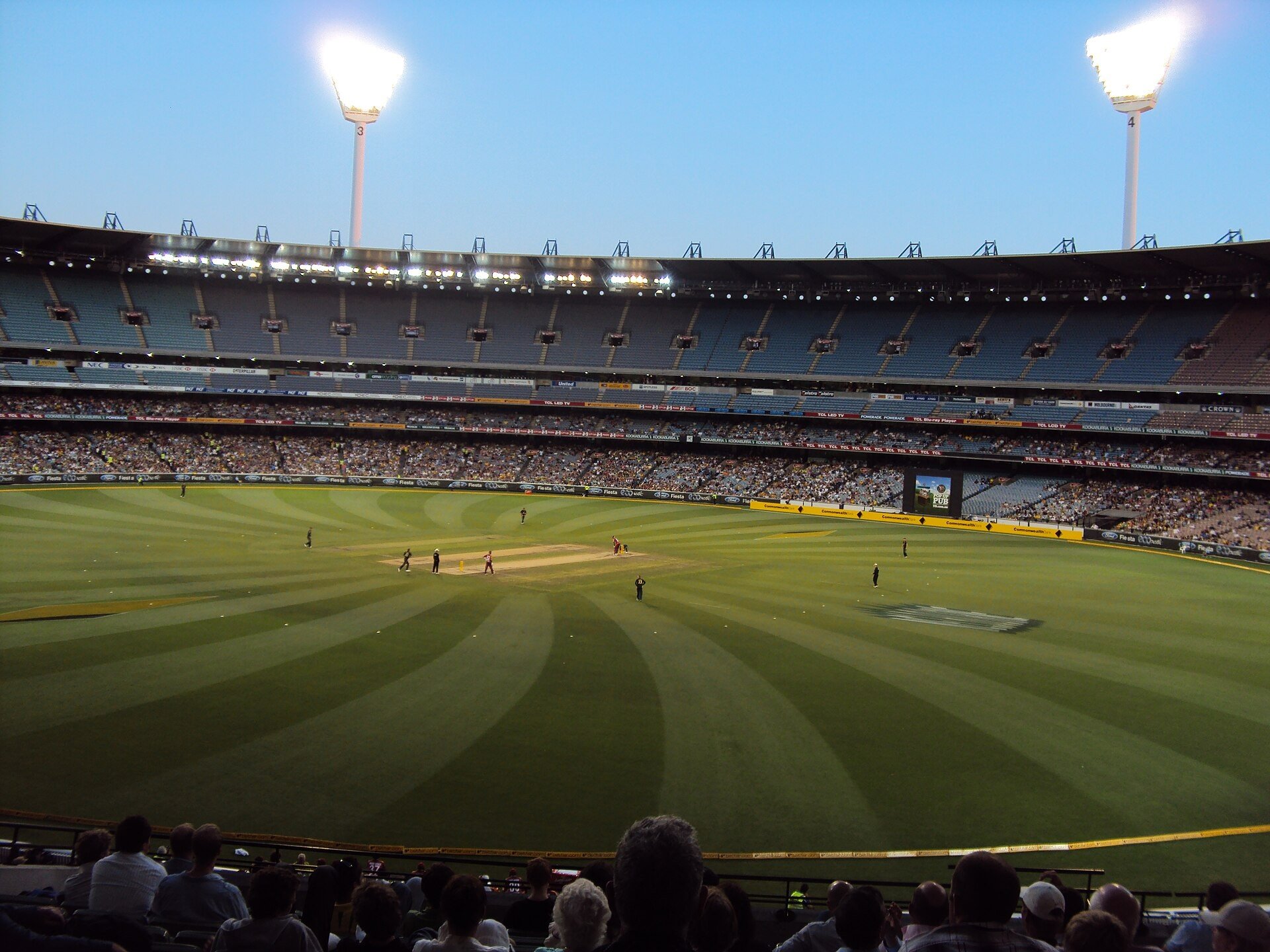
England levelled the five-match T20 series at 1-1 at Carrara’s People First Stadium, overhauling Australia’s 8-184 with eight wickets in hand and a staggering seven overs unused.
The visitors cleared the boundary 16 times in total.
At the centre of the carnage was Aneurin Donald.
The right-hander raced to his half-century off just 18 deliveries, equalling the third-fastest T20 fifty by an England player, and went on to make 85 from 32 balls.
The milestone arrived during a savage 26-run over bowled by Nikhil Chaudhary, a passage of play that drained the energy from the home crowd.
Alongside him, Phil Salt was barely less destructive.
He brought up his own fifty by depositing Joel Davies over the rope four times in a single over, and finished on 58 from 30 balls.
Together they hit 13 sixes and put on 151 in ten overs before Australia finally found a way through.
Donald, with a century in his sights, perished hunting a tenth maximum when Riley Meredith was brought back into the attack. Meredith, who returned 1-18 from three overs, was comfortably Australia’s most economical bowler.
Salt followed soon after, left shaking his head when Ben Dwarshuis held a sharp return catch off his own bowling.
It hardly mattered. Tom Banton strode out and blasted 26 from eight balls, his third six, England’s 16th of the night, sealing the win.
The result was a stark reversal from the series opener at the MCG, where Australia held their nerve to win a tense run chase.
On Tuesday, the hosts’ innings had its own fireworks.
Captain Mitch Marsh won the toss, elected to bat and launched consecutive sixes over cover, only to chip a catch back from the very next delivery to depart for 15.
Jake Fraser-McGurk then threatened to take the game away.
He hammered three sixes in five balls to sprint to 27 off 13, but, sensing blood, he tried to send Sam Curran’s first delivery out of the stadium and found the fielder at mid-off instead.
The momentum collapsed in an instant.
Sam Harper was run out later in the same over, Tim David failed to make an impression, and Australia had slumped to 4-58 inside six overs.
Lachlan Shaw, playing only his second international, battled to 10 off 17 balls against the leg-spin of Adil Rashid. It fell to the in-form Chaudhary to steady the ship with a measured 45 from 34, while Davies added a lively 39 from 24.
Then came a late flourish.
Dwarshuis tore into Curran, who finished with 2-29, smashing sixes from the final three balls of the innings to lift Australia to 184 and what appeared to be a fighting total.
Appearances proved deceptive.
Analysis: What This Means for Australia
This is a game of cricket, not a matter of national security, and it should be kept in perspective. But in a country where Australian cricket is woven deep into national identity, a hammering of this scale on home soil carries real weight.
The most immediate implication is for the selectors and for Cricket Australia. Conceding 151 in ten overs exposes a bowling unit that, on this evidence, had no answer once England’s openers found their range.
Plans, field placements and the balance of the attack will all come under scrutiny before Friday.
There is also a broader lesson about where the white-ball game is heading. A score of 184 was once considered a strong platform.
On a quick-scoring ground against aggressive openers, it now looks vulnerable. Australia’s batting depth, with Dwarshuis, Davies and Chaudhary all contributing, offers some reassurance, but the top-order wobble to 4-58 is a recurring worry.
For communities, the impact is more emotional than material.
The decision to take international cricket to the Gold Coast is part of a push to bring the game to fans beyond the traditional capital-city venues.
A thrashing does not undo that goodwill, but a contest that ends with seven overs remaining is not the spectacle organisers would have hoped to showcase.
Commercially, a level series is arguably the best outcome. With the ledger at 1-1, interest in the remaining three matches, starting at The Gabba, will only intensify.
Cricket analysts say the size of England’s victory may be more revealing than the result itself.
A narrow loss can be dismissed; a chase completed with almost a third of the innings to spare suggests a gap in tactics that cannot be fixed by simply bowling better lengths.
Seasoned observers of the T20 format note that Australia’s young batters are showing encouraging intent, but warn that aggression without control, as Fraser-McGurk’s dismissal demonstrated, can hand momentum straight back to the opposition.
Coaching insiders are likely to focus on Meredith’s performance as a template.
His tight three-over spell stood out as the one passage in which England’s batters were genuinely contained, and there will be questions about why he was not used more during the onslaught.
Others believe Shaw’s struggle against Rashid will be closely studied.
Facing elite spin in only his second international was always going to be a steep learning curve, and how he responds in Brisbane may shape his immediate future in the side.
The England and Wales Cricket Board will be delighted with the response after the MCG defeat, and with the attacking blueprint their openers have laid down.
For Australia, the task is simple to state and difficult to execute: find a way to stop the sixes before England’s Welsh wrecking crew take the series away.
The answer, one way or another, arrives at the Gabba on Friday.