
‘Too Late to Leave’: Terrified Flinders Island Residents Ordered to Shelter as Uncontrolled Lightning Bushfire Cuts Off Escape Routes and Races Towards Homes
- Residents of Killiecrankie, Leeka and Mount Tanner told it is now too dangerous to flee, with the uncontrolled blaze threatening the only roads out
- Killiecrankie Beach named a place of last resort as crews race door to door warning people still inside their homes
- One farmer was just 100 metres from the flames as he moved 400 cattle to safety, saying he would protect the house and let the fences burn
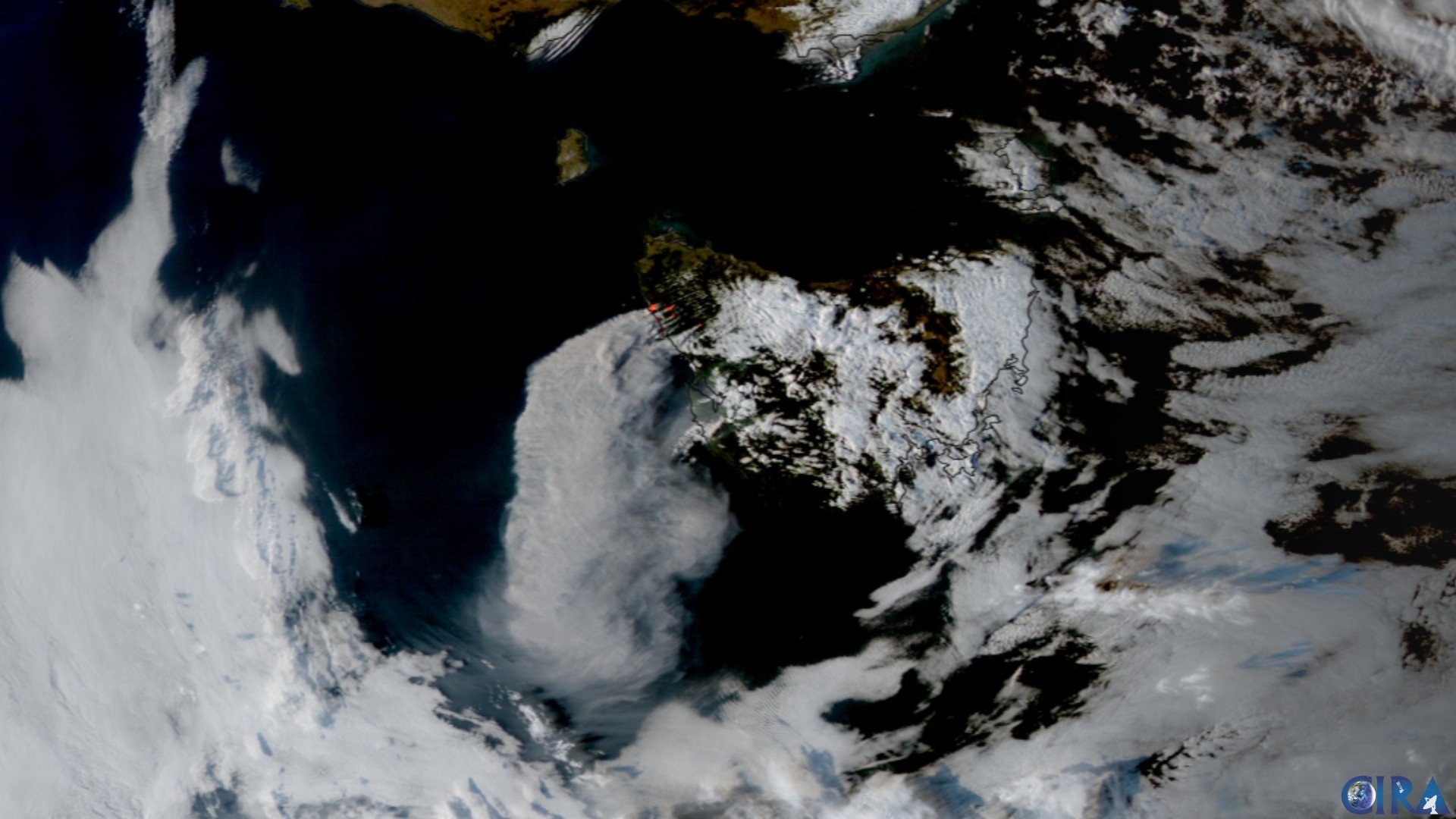
- Wildlife carers fear for wombats and joeys driven out of their habitat, as smoke from the fire is captured by satellite from space
There is no road out. There is no time left.
For families on the northern tip of one of Australia’s most isolated communities, the instruction from authorities on Wednesday was blunt and chilling: stay where you are, and prepare to survive.
A bushfire that began with a single lightning strike has grown into a monster on Flinders Island, the remote outpost in Bass Strait off Tasmania’s north-east coast.
And for those living in its path, the window to escape has already slammed shut.
The Tasmania Fire Service escalated its warning to emergency level for Killiecrankie, Leeka and Mount Tanner, declaring it was too late to leave. The uncontrolled blaze is pushing south-west, and officials say lives and homes are at risk.
Leaving now, residents were told, could prove deadly. The fire is threatening the very routes people would use to get away.
Instead, those caught in the zone must take cover before the flames arrive. Authorities warned against trying to fight the fire.
A sturdy house or solid building may shield occupants from the ferocious radiant heat. Killiecrankie Beach has been nominated as a place of last resort.
Anyone who has already escaped has been urged not to return under any circumstances.
A second emergency warning covers Mount Boyes, Carnacs Flat and Lughrata, but the message there is the opposite: get out immediately.
A watch and act alert remains in place north of Killiecrankie Road, Mount Killiecrankie and Mount Blyth. Palana, Wingaroo, Emita, Wybalenna and surrounding areas are under advice-level warnings, with the latest updates available via TasALERT.
The fire has now leapt across Palana Road between West End Road and Five Mile Jim Road, according to Chris Emms, deputy incident controller with the Tasmania Parks and Wildlife Service.
Speaking to ABC Radio, he described a situation changing by the minute. Anyone south of Palana can head to an evacuation centre established in Whitemark, the island’s main township.
Those to the north must shelter at once. People around Mount Tanner, he said, would need to stay put until the fire front had passed.
Crews have been knocking on doors across the danger zone. Authorities still cannot say for certain how many homes in the area have people inside.
Three aircraft are working the fireground, and major roads across the island’s north have been closed. Authorities scheduled a public briefing for 1pm AEDT.
The blaze was ignited by lightning last week and smouldered for days. Then on Monday afternoon, it broke loose.
Farmer Mick Grimshaw knows how quickly things turned. He was within 100 metres of the northern flank, scrambling to herd 400 head of cattle onto a friend’s property.
The animals made it. The fences, he conceded, probably won’t.
His priority now is saving the house.
He described flames burning right alongside the main road, spot fires flaring ahead of the front, and north-easterly winds he estimated at 20 to 25km/h.
He called it ‘pretty nasty’.
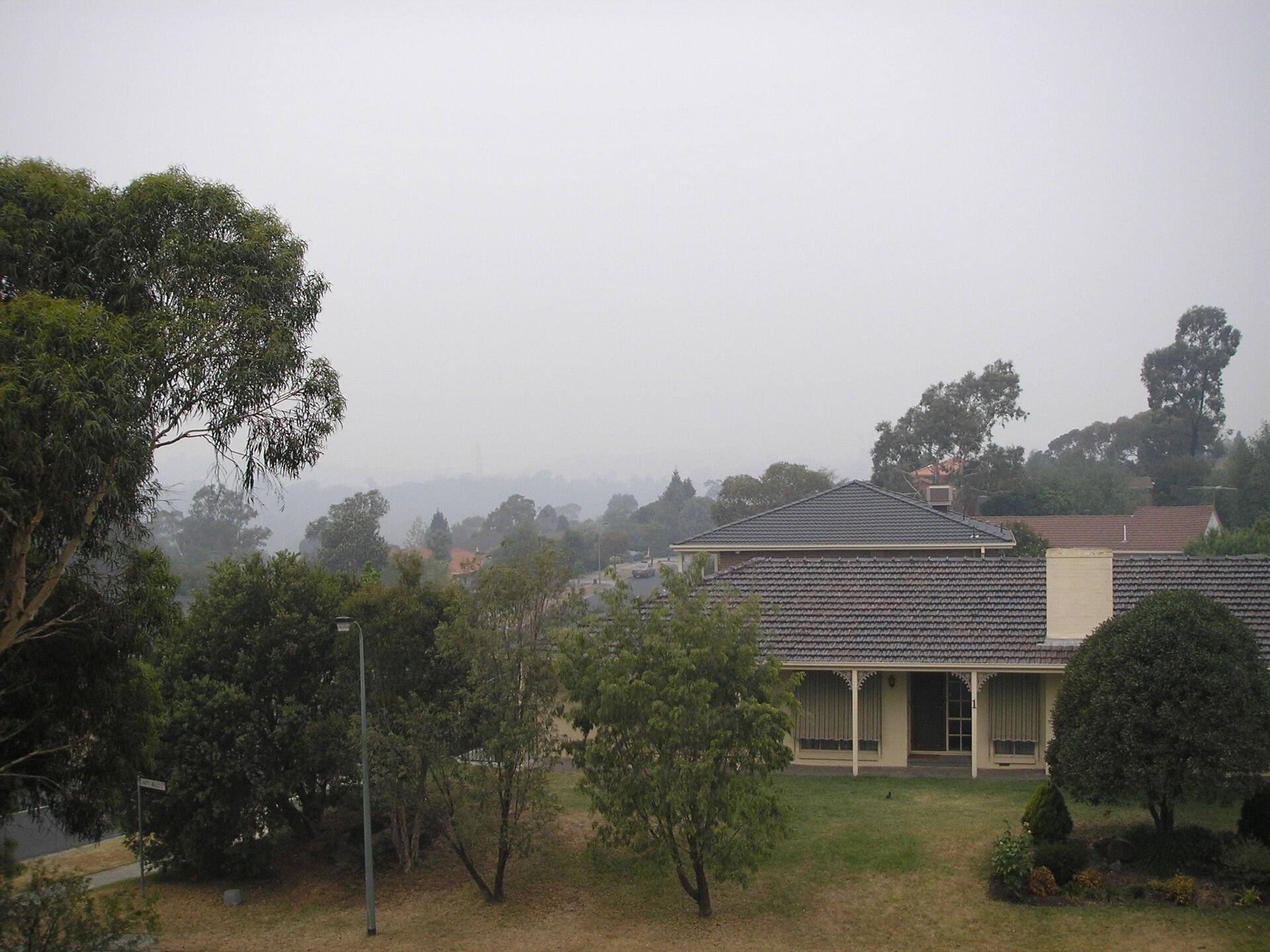
The plume became so enormous it was photographed from orbit by the Himawari-8 weather satellite. From Whitemark Airport, a dark wall of smoke dominated the horizon.
Lady Barron resident Leanne described the sky taking on a hazy, reddish tinge as the wind strengthened.
She warned that much of the northern country is farmland, and if the fire crossed the road, people at the top of the island would be cut off.
After what she called a tough week, the community was firmly on edge.
In Palana, on the north coast, Naomi Creek called the ordeal nerve-racking. She felt safer than the day before, but worried for neighbours now in far more frightening positions.
A carer for orphaned joeys, she said she was heartbroken thinking of the animals driven from their homes.
School bus driver and wildlife carer Kate Mooney collected students that morning, just before the fire jumped the road. On the drive home, smoke filled the sky and the western horizon had turned dark.
She is now on standby to help wombats displaced by the flames or endangered by heavy traffic.
Analysis: What This Means for Australia
The Flinders Island emergency exposes an uncomfortable truth about public safety in remote Australia. When the roads close, there is often nowhere else to go.
Unlike mainland towns, island communities cannot simply drive to the next region. Every evacuation route, every supply line and every fire truck depends on a handful of roads and a small airstrip.
When flames threaten those arteries, an evacuation plan becomes a shelter-in-place plan almost instantly.
That places enormous weight on households’ own preparedness, and on frontline crews who must cover vast distances with limited resources. The uncertainty over how many homes are occupied underlines how hard it is to account for everyone in sparsely populated areas.
The economic stakes are serious too. Farming underpins life on the island, and lost fencing, pasture and livestock can take years to recover from.
For small communities, each burnt paddock carries a ripple effect through local livelihoods.
And with the bushfire season barely under way, the speed of this escalation will alarm emergency planners nationwide, particularly as climate change fuels longer and more volatile fire periods.
Emergency management analysts say remote islands represent one of the hardest scenarios for firefighters, where a single road closure can trap entire districts and force reliance on places of last resort.
Rural fire observers warn that lightning-sparked fires in rugged terrain can burn quietly for days before wind changes turn them dangerous, exactly as unfolded here.
Wildlife experts believe the toll on native animals could be significant, with volunteer carers once again forming the backbone of wildlife rescue efforts.
For now, the people of northern Flinders Island can only wait behind closed doors, watching the smoke and hoping the front passes them by.