
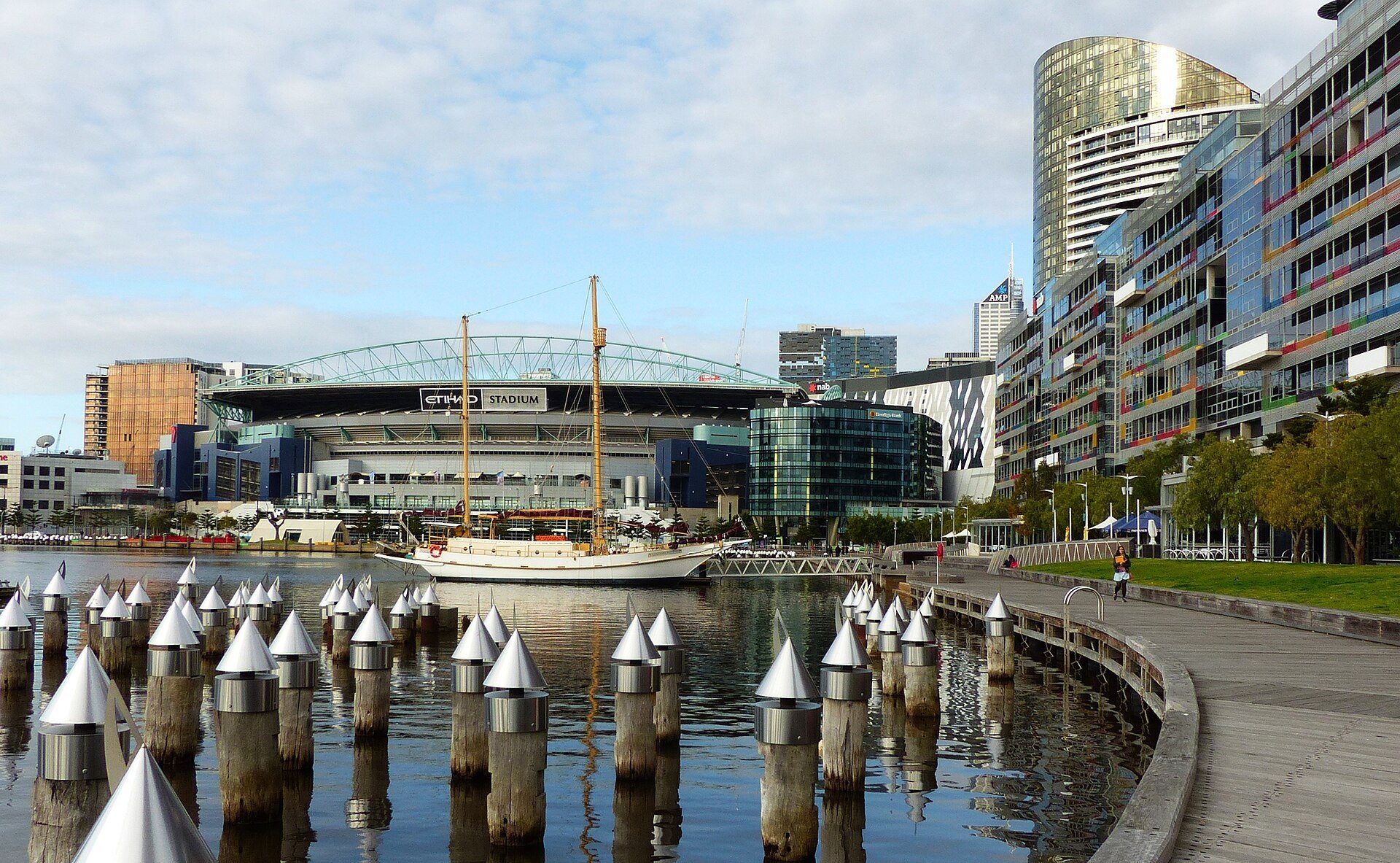
‘Cesspool of a Workplace’: NAB Boss Andrew Irvine Fights Back Against Explosive Anonymous Instagram Page as Thousands of Staff Air Claims of Drug Use, Affairs and Jobs Shipped Offshore
- NAB chief executive Andrew Irvine has told staff the anonymous posts are ‘untrue, unverified and potentially harmful’, and revealed that Meta refused the bank’s request to shut the account down
- The page, run by a former senior NAB employee of 15 years, carries hundreds of unverified claims about cocaine use, harassment and executives sleeping with subordinates
- The backlash comes as the bank moves to cut 2,500 Australian jobs while employing more than 7,000 people in India and Vietnam
- Just a day before Irvine’s email, staff were mistakenly told by an automated message that they had been made redundant, before any manager had spoken to them
It began as a trickle of anonymous messages. It has become a flood that one of Australia’s biggest banks cannot stop.
Inside National Australia Bank, a single Instagram account has become the place where thousands of workers, past and present, gather to vent their anger, swap stories and read the latest claims about the people running the company.
Now the man at the top has broken his silence.
In an email sent to staff on Tuesday, NAB chief executive Andrew Irvine took aim at the page, operating under the handle ‘senseofher’, saying it was spreading untrue and unverified claims that could harm individuals.
He told employees the fallout had reached far beyond the bank’s offices, affecting current staff, former colleagues, partners and even their children.
Irvine said many people were hurt and distressed, that NAB was providing specialised support, and that the bank was working to shield staff from further ‘unfair and damaging’ posts.
His most telling admission was that the bank had asked Meta, which owns Instagram, to remove the account. The tech giant said no.
Irvine urged anyone with genuine concerns about wrongdoing to raise them through the bank’s internal reporting channels rather than online.
None of the allegations on the page has been independently verified. But their volume, and the speed at which the account is gaining followers, has turned it into a cultural event for NAB’s 43,000 employees.
For many, it works as an unofficial group chat where they feel able to speak freely.
The claims are explosive. One anonymous post alleges that an unnamed senior figure took cocaine and appeared ‘visibly high’ at a company function.
Another alleges that a staff member was placed on a performance improvement plan after appearing drunk at a town hall meeting.
Dozens more describe affairs, sexual harassment and married executives in relationships with their own direct reports.
Some of the most bitter posts come from contractors. They say they were led to believe a permanent role was within reach, only to watch the job move to India.
The language is raw. Contributors have called the workplace a ‘sh**show’, a ‘clusterf**k’, a ‘world of pain’ and a ‘cesspool’.
One described it as the worst they had seen in 15 years. Another lamented that NAB was once the best place they had ever worked and compared the current leadership to Adolf Hitler taking over.
The woman behind the account is Daniela LoCastro, who spent 15 years at NAB as a senior leadership consultant and now runs an executive coaching business for women.
She insists she has no personal vendetta against any executive.
Her fight, she says, is against what she sees as systemic abuse across the banking sector, and she wants to protect the legacy and reputation of a brand she still cares about.
LoCastro has said she loved her career at NAB and believed in the organisation.
She argues that talented staff and good leaders are leaving because of a culture set at the top, and that leadership decisions at the big banks feed directly into the cost of living crisis and the financial security of everyday Australians.
The timing could hardly be worse for the bank.
NAB has announced plans to shed around six per cent of its workforce, about 2,500 roles, before Christmas, as part of an overhaul it says will ‘simplify’ operations.
That restructure got off to a humiliating start on Monday. An automated, system-generated email went out telling employees they had been made redundant, before managers had told them the outcome.
The bank was forced to apologise.
At the same time, NAB’s overseas footprint keeps growing. It employs more than 5,000 people in India and more than 2,000 in Vietnam.
Critics have responded with a cutting nickname: ‘Not Australia Bank’.
The bank has faced cultural scrutiny before. Allegations of widespread bullying have been reported extensively, including the death of a contractor who worked in NAB’s fraud department.
Analysis: What This Means for Australia
This is more than an internal HR problem. NAB is one of the four pillars of the Australian financial system, and what happens inside it affects millions of customers, shareholders and superannuation funds.
The economic issue is the most immediate. Thousands of Australian roles are going while thousands more are being created offshore.
That raises hard questions about the future of skilled white-collar work in banking and whether the sector is quietly moving its back office out of the country.
There is a security side too. Banks hold some of the most sensitive data in the nation.
As operations spread across borders, regulators and customers will want reassurance that fraud prevention, data protection and oversight are not weakened. That matters at a time when scams impersonating bank staff are costing Australians dearly.
Then there is trust. When thousands of employees turn to an anonymous Instagram page instead of official channels, it suggests many do not believe internal processes will protect them.
That is a problem for any business, and a serious one for an institution that relies on public confidence.
Regulators including Australian Prudential Regulation Authority have long described culture as a risk issue for banks, not simply a matter of morale.
Workplace culture specialists say the account’s rapid growth points to a breakdown in confidence between staff and management. Anonymous platforms, they argue, tend to thrive when employees feel unheard.
Industry observers believe Meta’s refusal to remove the page leaves NAB with few options. Fighting the account in public risks drawing even more attention to it.
Employment and union observers warn that combining mass redundancies with offshore expansion is fuelling resentment, and that the botched redundancy email only deepened the sense that staff are being treated as numbers.
Governance analysts note that unverified claims can do real damage to innocent people. They also say a crisis like this is usually ended by credible internal reform, not by deleting posts.
For now, the account keeps growing. And with Christmas job cuts looming, the pressure on NAB’s leadership is unlikely to ease.