

‘Spreading Like Wildfire’: Inflation Rockets to 4.9 Per Cent as Iran War Fuel Shock and a Staggering 25 Per Cent Power Bill Surge Push Aussie Households to Breaking Point
- Annual inflation has climbed to 4.9 per cent, the highest level recorded since March and the early phase of the war against Iran.
- Petrol and diesel now cost 32.5 per cent more than a year ago, while electricity prices have jumped 25.2 per cent as government rebates disappear.
- Hobart is the hardest-hit capital at 6 per cent, with Sydney not far behind on 5.1 per cent.
- Economists warn that price rises are now spreading through services and housing, making the problem far harder to blame on overseas conflict alone.
The fuel gauge falls, the power bill lands, and the weekly shop costs more than it did a month ago.
For millions of Australians, that is what household life looks like right now. Fresh figures released on Wednesday show the problem is getting worse, not better.
Annual inflation surged to 4.9 per cent in October. That is the highest reading since March, when the opening shockwaves of the war against Iran first sent global energy markets into turmoil.
Families who hoped the worst had passed have been confronted with a sobering reality.
According to the Australian Bureau of Statistics, the overall cost of goods and services rose 0.7 per cent in October alone, a steep monthly increase that pushed the yearly figure sharply higher.
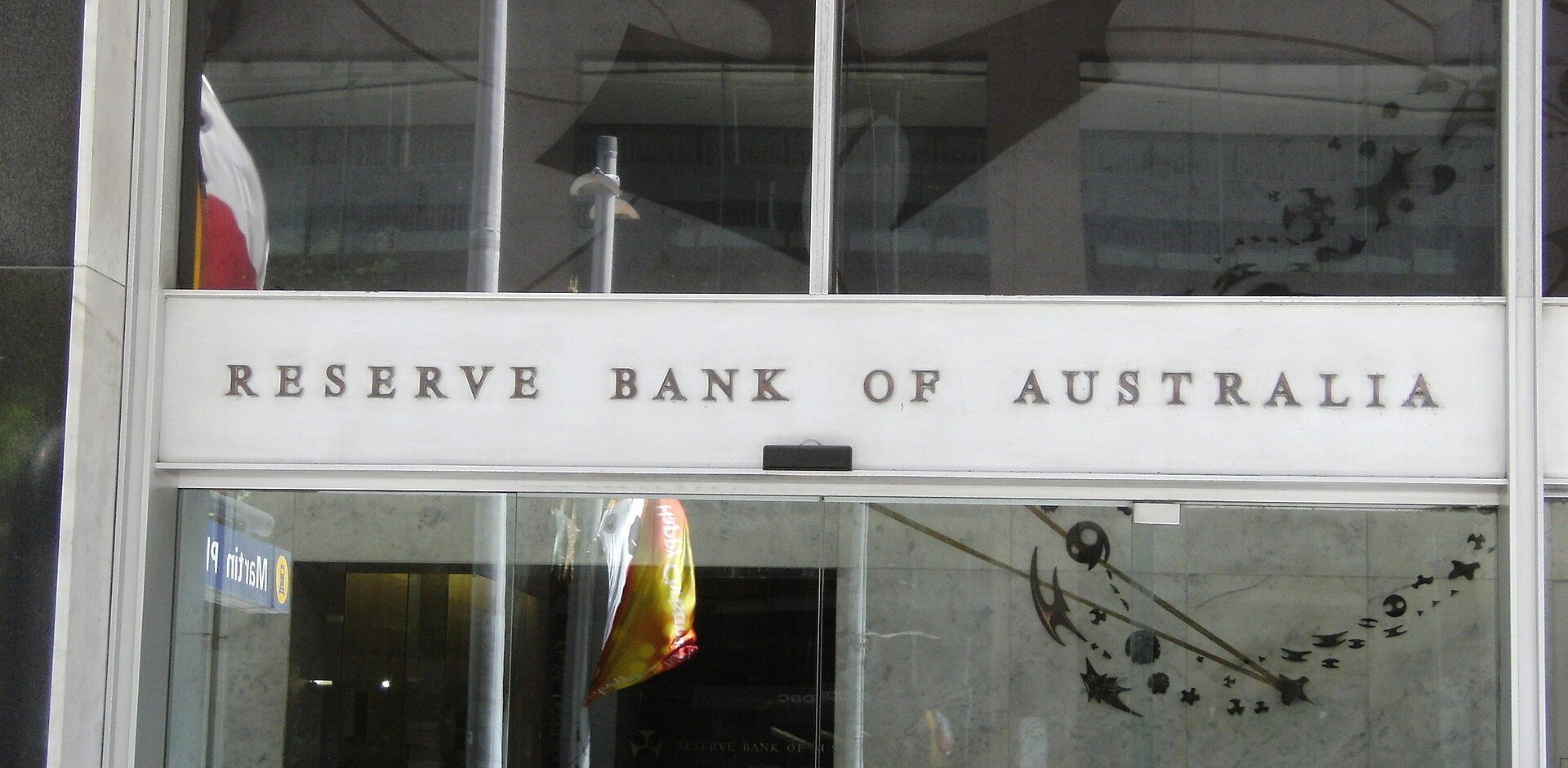
Underlying inflation, the measure the Reserve Bank of Australia watches most closely because it strips out volatile price swings, climbed half a percentage point to 3.8 per cent.
That figure sits well above the central bank’s comfort zone.
Transport remains the main source of pain. Costs in that category rose 2 per cent during the month and are up 10.6 per cent across the year.
The biggest single driver is fuel, with petrol and diesel prices now 32.5 per cent higher than they were twelve months ago.
Petrol jumped 6.3 per cent in October, after an even larger 9.4 per cent increase in September. Two consecutive months of shocks at the bowser have hit commuters, tradies, farmers and freight operators.
Power bills have also risen sharply. According to ABS prices chief Rachael McCririck, households paid 25.2 per cent more for electricity in October than a year earlier.
She attributed the increase to the expiry of federal energy rebates that had artificially lowered bills last year and have now fully flowed through the official figures.
Overall housing costs rose 6.4 per cent annually, up from 5.2 per cent in the year to September.
New dwelling prices rose 5.1 per cent, compared with 4.7 per cent previously, as builders passed higher material and labour costs on to buyers.
At the checkout, food prices rose 0.4 per cent in the month and 3.4 per cent over the year. Fruit and vegetables are 7.5 per cent dearer, driven largely by a 10.9 per cent annual increase in fruit prices.
Eating out now costs 4.1 per cent more.
Clothing, footwear and household goods each rose 1.2 per cent. Both categories are sensitive to movements in the Australian dollar, which affects the cost of imported products.
To understand why prices are accelerating now, it is necessary to look back to March. The outbreak of war against Iran rattled one of the world’s most important oil-producing regions, and crude prices responded quickly.
Australia imports most of its refined fuel, which leaves it badly exposed to disruptions thousands of kilometres away. When global oil markets move, the impact reaches Australian service stations within weeks.
What has changed in recent months is that those energy costs are no longer limited to fuel. They are filtering through freight, construction, food production and everyday services, adding to price pressures across the economy.
The removal of electricity rebates has compounded the problem. The relief they once provided has disappeared at a time when households are already stretched by the broader cost of living crisis.
Analysis: What This Means for Australia
These figures are more than a set of economic statistics. They expose how vulnerable the nation is to conflicts beyond its borders.
A 32.5 per cent rise in fuel prices raises serious questions about national energy security. Australia’s heavy dependence on imported fuel means that a war in the Middle East can quickly affect household budgets in Brisbane and Burnie.
The geographic differences are also significant. Hobart has the highest inflation rate of any capital at 6 per cent.
Sydney is running at 5.1 per cent, Brisbane at 4.7 per cent and Melbourne at 4.4 per cent. Tasmanians, many of whom are on lower incomes, are bearing a disproportionate share of the burden.
For the housing crisis, the outlook is grim. Rising construction costs make new homes even harder to afford, potentially slowing building activity at a time when the country urgently needs more supply.
The social consequences are already being felt. Rising power bills, higher food prices and more expensive transport hit low-income earners, pensioners and young families hardest.
Small businesses face higher operating costs that many cannot pass on without losing customers.
Then there is the question of interest rates. Mortgage holders hoping for relief may be disappointed, as stubborn underlying inflation reduces the likelihood of rate cuts.
BDO chief economist Anders Magnusson said the result exceeded the Reserve Bank’s forecasts, but he still considered a rate rise at its December meeting unlikely.
He noted that transport did much of the heavy lifting in headline inflation, reflecting pressure from the overseas conflict. However, he also pointed to clear signs of domestic strain in housing and services.
Mr Magnusson warned that when price rises spread across services, it becomes much harder to attribute inflation to a handful of large price movements or imported costs.
Economic observers say that distinction is crucial. Fuel price shocks can fade if oil markets settle.
Inflation embedded in services, wages and rents tends to be far more persistent.
Market analysts believe the Reserve Bank faces a difficult balancing act. Raising rates could push struggling households further into financial stress, but doing nothing risks allowing high inflation to become entrenched.
Industry insiders also caution that the construction sector could face further cost increases if supply chains remain under pressure from the conflict.
For now, Australians are left watching petrol prices, power bills and the cost of groceries, and hoping that relief is not too far away.