Iran’s Brutal Crackdown Quiets Protests for Now, but Fears of US Intervention Linger
- Fears of a US attack on Iran have retreated after President Trump’s threats, but the situation remains volatile
- Iran’s deadly crackdown has reportedly killed over 2,600 people, including protesters and government-affiliated individuals
- The protests, sparked by soaring inflation, have been met with intense violence and a heavy military presence in cities and towns
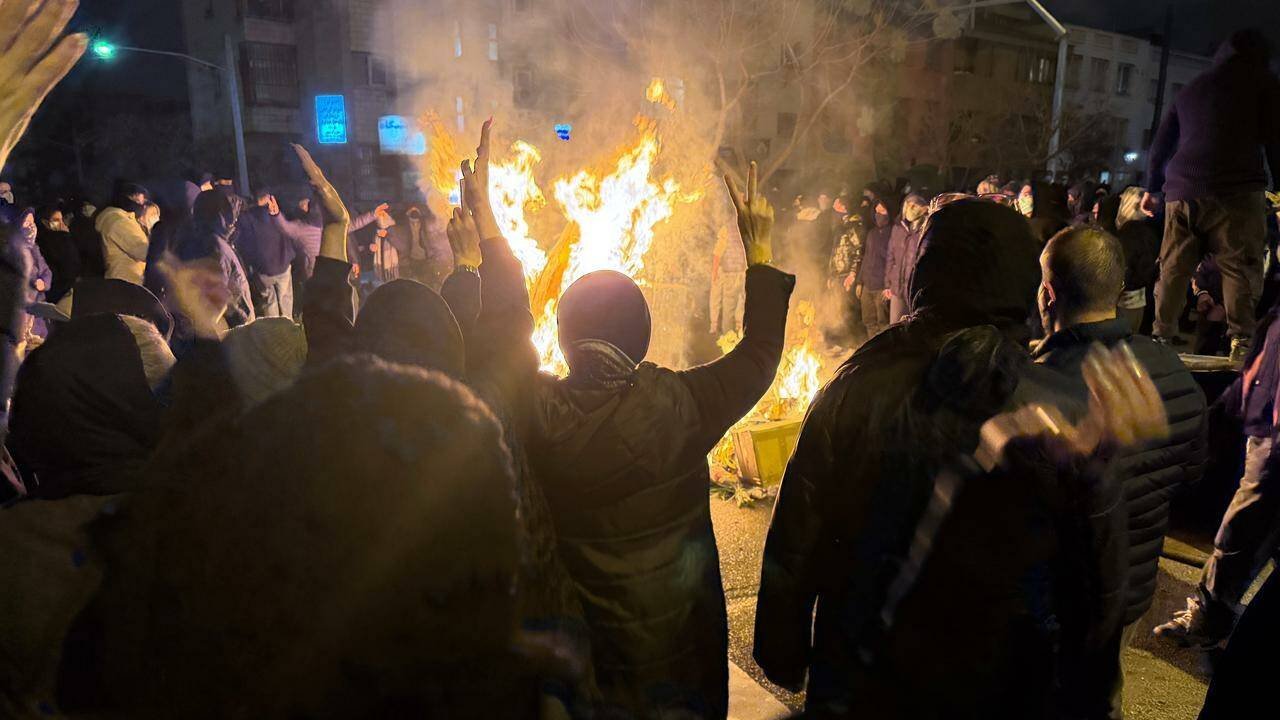
The streets of Tehran are quiet, and the protests that erupted in late December appear to have been quelled, at least for now. But the situation remains highly volatile, with the threat of US intervention still looming large. According to a rights group and residents, Iran’s deadly crackdown has broadly quelled the protests, but fears of a US attack have not entirely dissipated.
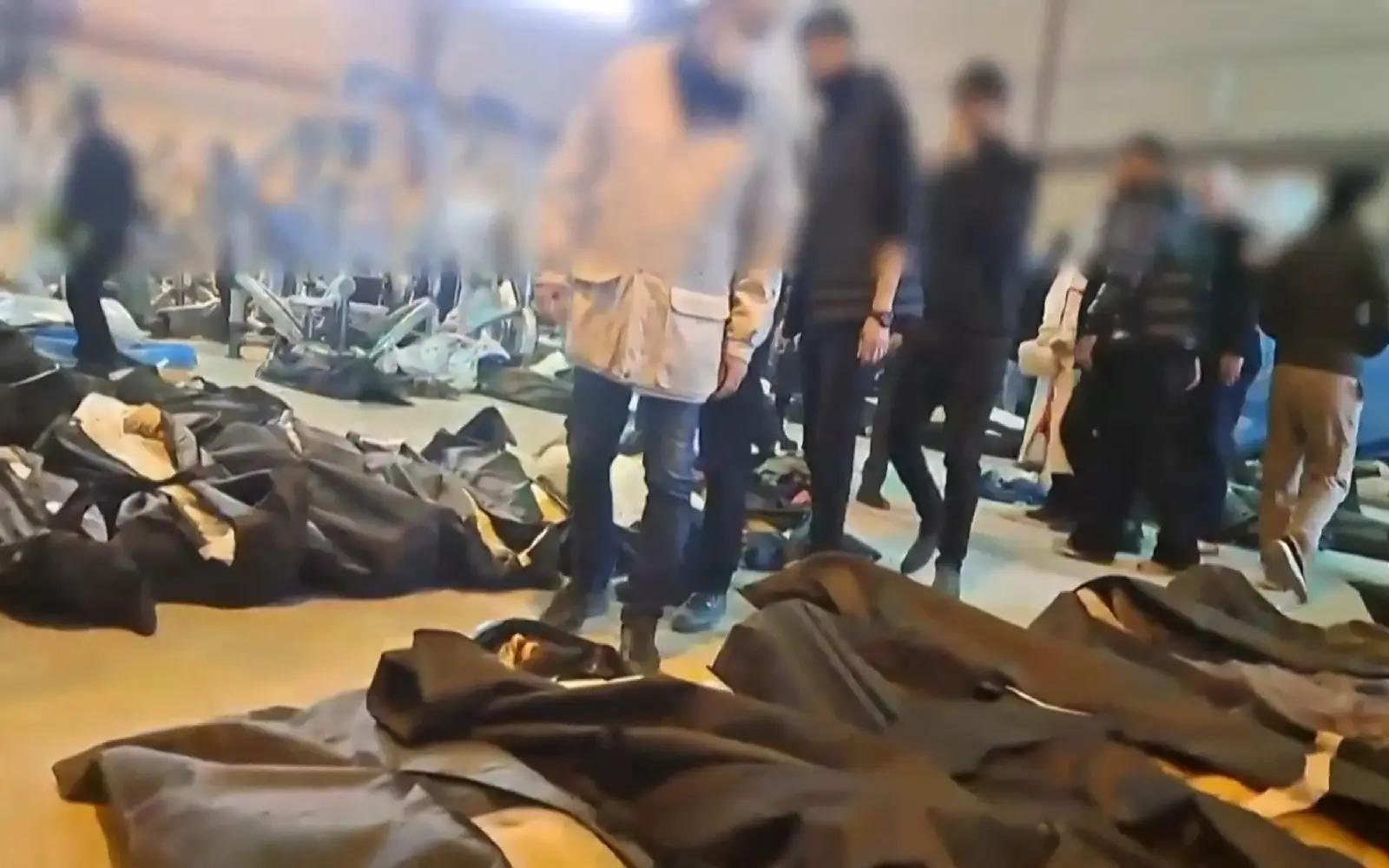
The protests, which began over soaring inflation, have been met with intense violence from the government, resulting in the deaths of over 2,600 people, including protesters and government-affiliated individuals. The situation has been further complicated by the involvement of foreign powers, including the US, Saudi Arabia, and Qatar, who have been conducting intense diplomacy to prevent a US strike.
President Trump has repeatedly threatened military action against Iran in support of the protesters, but his administration has since toned down its rhetoric. The White House has said that Trump is closely monitoring the situation on the ground and has warned Tehran of “grave consequences” if the killings continue. The president has also claimed that 800 scheduled executions were halted, but the situation remains precarious.
The protests, which began on December 28, have been one of the biggest challenges yet to the clerical establishment that has run Iran since the 1979 Islamic Revolution. The government has responded with force, imposing an internet blackout and deploying drones to monitor the streets. Residents of Tehran have reported seeing no signs of protests in recent days, but the security environment remains highly restrictive.
Despite the apparent calm, there are still indications of unrest in some areas. A female nurse was killed by direct gunfire from government forces during protests in Karaj, west of Tehran, and rioters set fire to a local education office in Falavarjan County, in central Isfahan Province.
The situation is particularly volatile in the northwestern region, where many Kurdish Iranians live and which has been the focus of many of the biggest flare-ups. An elderly resident of a town in the region described scenes of violence earlier in the protests, saying “I have not seen scenes like that before.”
Analysis: What This Means for Australia
The situation in Iran has significant implications for Australia’s national security and regional stability. The involvement of foreign powers, including the US, Saudi Arabia, and Qatar, raises concerns about the potential for escalation and the impact on the wider region. The Australian government must carefully navigate this complex situation to ensure that our interests are protected and our relationships with key partners are maintained.
Security analysts say that the situation in Iran highlights the need for Australia to maintain a strong and engaged presence in the region, working closely with our allies to promote stability and prevent the spread of instability. Law enforcement insiders warn that the situation also has implications for counter-terrorism efforts, as the involvement of armed groups and foreign powers raises concerns about the potential for terrorism to spread.
Industry observers believe that the situation in Iran will also have significant economic implications, particularly in terms of oil prices and trade. The Australian government must be prepared to respond to any economic shocks that may result from the situation, while also working to promote stability and growth in the region.