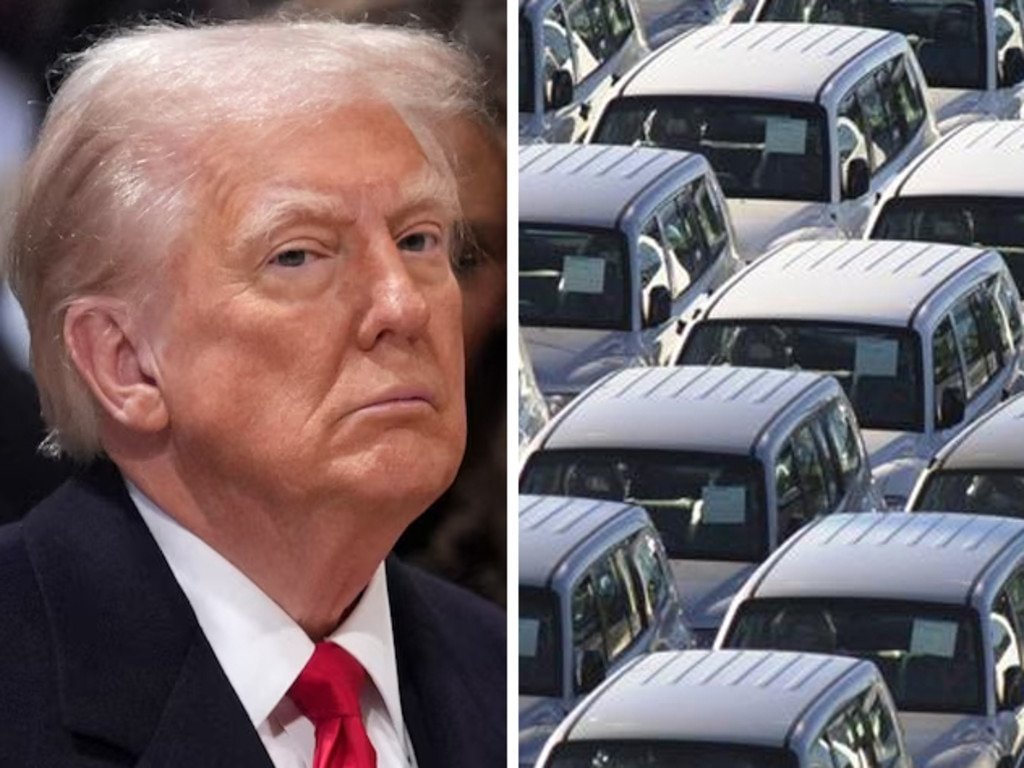
Trump’s War on ‘Hated’ Car Feature: What This Means for Australia’s Roads and Environment
- A bold move by US President Donald Trump could see the end of start-stop systems in cars, a feature despised by many motorists.
- The feature, designed to save fuel, has been a staple in new models for over a decade, but Trump claims it’s a “disastrous” policy that’s driven up prices for consumers.
- The move could have a significant impact on Australia’s car market, potentially eliminating the tech in cars available here.
- But what does this mean for Australia’s environment, and will it lead to more pollution and climate-driven disasters?
In a shocking move, US President Donald Trump has taken aim at start-stop systems in cars, a feature that’s been a fixture in new models for over a decade. The system, designed to save fuel by temporarily stopping engines when cars come to a halt, has been dubbed “hated” by Trump and many motorists. But what’s behind this bold play, and what does it mean for Australia’s roads and environment?
The start-stop system was introduced as part of government incentives to improve fuel consumption, but Trump claims it’s a “disastrous Obama-era policy” that’s driven up prices for consumers. “They forced the hated start-stop feature onto American consumers, which unnecessarily shuts off a car’s engine,” Trump said. “When you stop at a red light, in other words, the engine goes off.”
The US Environmental Protection Agency (EPA) has also weighed in, describing the feature as “almost universally hated” and claiming it’s resulted in “questionable emission reductions”. But independent analysis by the Society of Automotive Engineers found a fuel consumption improvement of 7.27 to 26.4 per cent during testing.
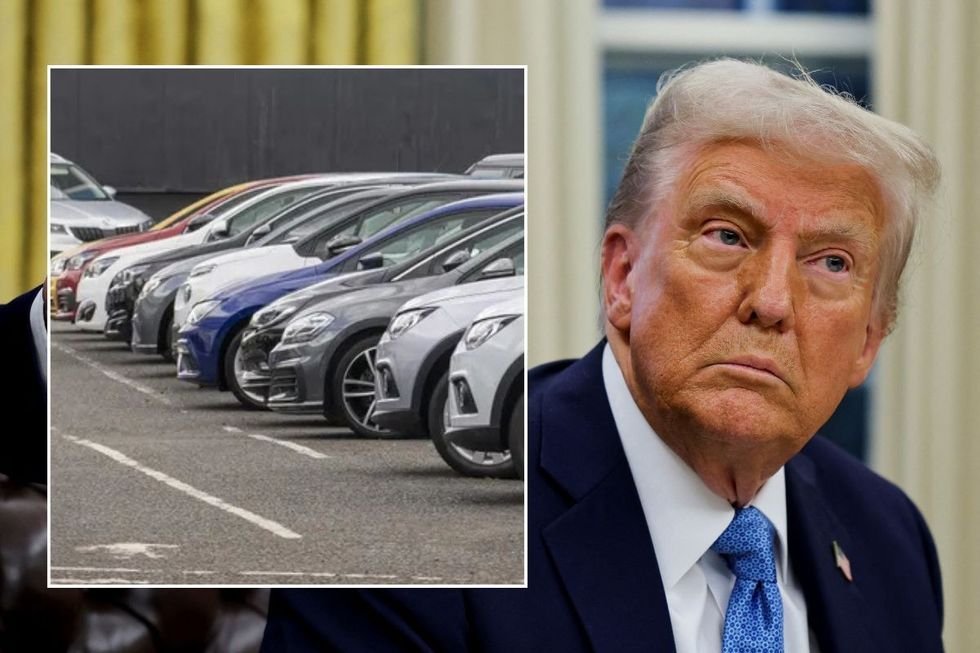
Despite this, the Trump Administration is pushing ahead with its plan to water down emissions standards for new cars, claiming it will reduce the price of new cars and make them more accessible to people who cannot currently afford them. But critics argue this will lead to more pollution and climate-driven disasters.
Analysis: What This Means for Australia



The flow-on effect of this change in manufacturing could have a significant impact on Australia’s car market. If carmakers adapt to meet Trump’s new standards, it’s possible that start-stop systems could disappear from cars available in Australia. But what does this mean for our environment?
Security analysts say that the move could lead to an increase in greenhouse gas emissions, which could have devastating consequences for Australia’s unique ecosystems and wildlife. “This is a reckless decision that will have far-reaching consequences for our environment,” said one expert. “We’re already seeing the devastating impact of climate change in Australia, from bushfires to droughts. This will only make things worse.”
Law enforcement insiders warn that the move could also have implications for public safety. “If cars are producing more emissions, it’s not just the environment that will suffer,” said one insider. “It’s also a public health issue. We’ll see more respiratory problems, more asthma cases, and more hospital admissions.”
Industry observers believe that the move will also have economic consequences for Australia. “This will drive up the cost of living for everyday Australians,” said one expert. “We’ll see higher fuel prices, higher health costs, and higher costs for emergency services. It’s a ticking time bomb.”
In a country already grappling with the consequences of climate change, this move could have far-reaching and devastating consequences. As one climate activist said, “This is a direct assault on science, knowledge, and public health. It’s an insult to the people across the country who are already coping with the disastrous consequences of climate-driven extreme weather events.”