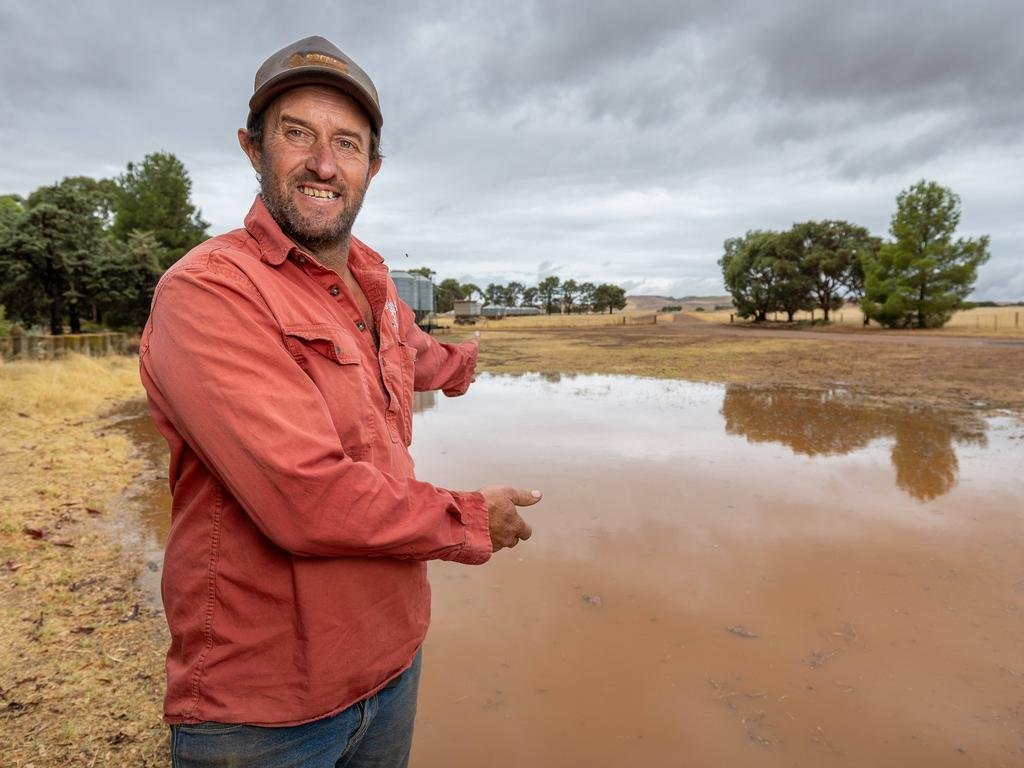
Torrential Rain Brings Hope to Drought-Stricken Scone, But Farmers Warn It’s Just a Drop in the Bucket
- Record-breaking rainfall hits Scone, NSW, with 102.6mm in 24 hours, but farmers say it’s not enough to recover from drought
- Patchy storms bring intense rain, with some areas receiving up to 150mm, while others get less than 10mm
- Consistent rain is needed to replenish soils and pastures, with another 75-100mm required to turn dry conditions around before winter
The NSW town of Scone has been hit with a record-breaking downpour, bringing much-needed rain to the drought-stricken region. However, farmers are cautioning that this single event is not enough to rid the area of drought, and consistent rain is needed to replenish soils and pastures.
The Bureau of Meteorology’s Scone airport gauge recorded 102.6mm of rainfall in the 24 hours to Sunday morning, with some private gauges reaching as high as 150mm. Senior meteorologist Ilana Cherny said most of the rain fell in just two hours, breaking the daily rainfall record for the station.
But the intense storms were very patchy, with some areas receiving significantly less rain. The town of Scone itself received only 15-25mm, while the villages of Parkville and Aberdeen received less than 10mm. The BOM also observed a 96 kilometres per hour wind gust at the Scone airport site.
Farmers have welcomed the rain, but say it’s not a silver bullet. Agronomist Ross Watson said the storm seemed centred over his property, bringing nearly 150mm of rain in less than six hours. However, he warned that the intensity of the rain meant much of it would not be absorbed by the soil, and would instead cause erosion.
“Most of this rain just ran off … and with a lot of paddocks being bare around the district, that’s likely to cause erosion of soil,” he said. “It didn’t have time to absorb and unfortunately, if you dig into these paddocks now, this has only really changed the soil moisture profile in those top few inches, which will only last us a week or so.”




Watson said another 75-100mm of rain was greatly needed to turn the dry conditions around before winter. The region has been experiencing ongoing dry conditions, with slow pasture growth and livestock numbers decreasing over several months.
Analysis: What This Means for Australia
The drought affecting the Scone region has significant implications for national food security and the economy. The region is a major agricultural hub, and the lack of rainfall has led to decreased crop yields and livestock numbers. The recent rainfall is a welcome relief, but it’s clear that more needs to be done to address the long-term effects of drought.
Security analysts say the ongoing drought has also raised concerns about the impact on rural communities, with many farmers struggling to make ends meet. The lack of rainfall has also led to increased risk of bushfires, which poses a threat to both human life and property.
Industry observers believe that the government needs to take a more proactive approach to addressing the drought, including providing more support to farmers and investing in long-term solutions to mitigate the effects of climate change.