Flood Chaos Engulfs Half of Australia as Tropical Low Brings Unrelenting Rain and Gusty Winds
- Almost 50% of the country on flood watch as slow-moving tropical low drenches vast regions
- Severe weather warnings issued for multiple states and territories, with heavy rain and flash flooding expected
- Residents in NSW, Victoria, and South Australia bracing for severe conditions, with authorities urging caution and preparation
Australia is in the grip of a severe weather crisis as a slow-moving tropical low continues to unleash unrelenting rain and gusty winds across the country, placing almost half of the nation on flood watch.
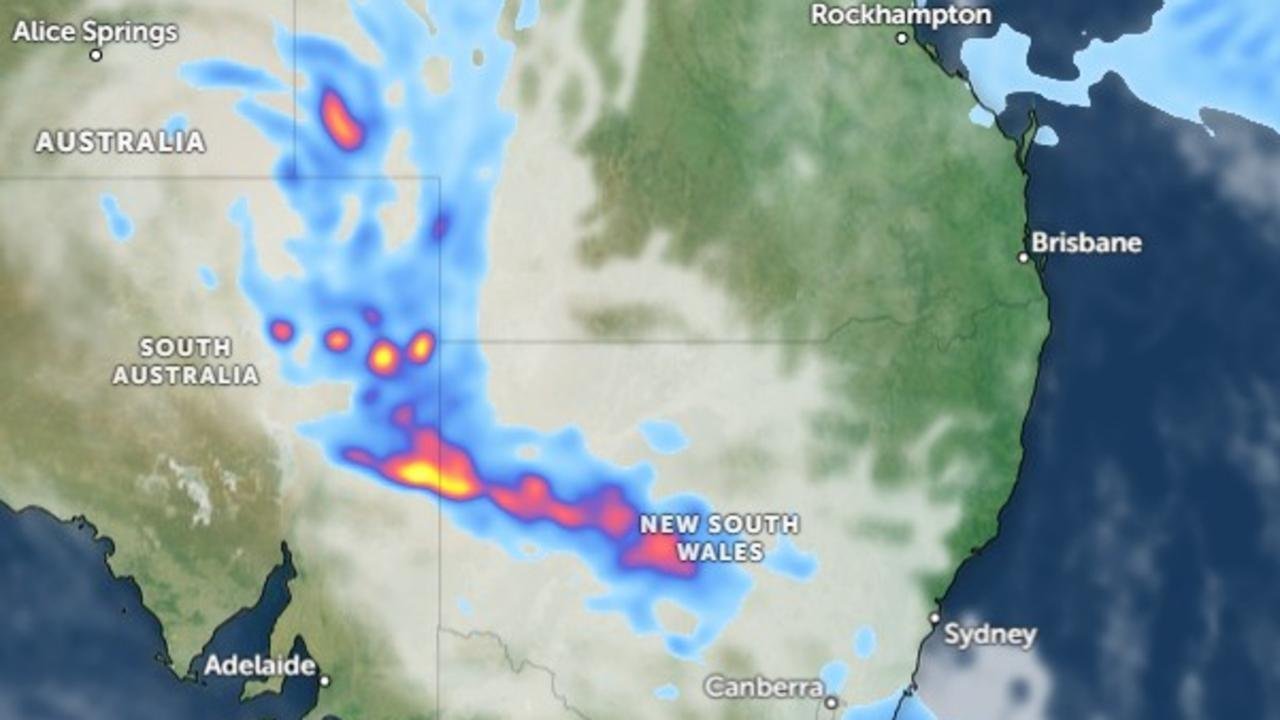
The low-pressure system, centered over Central Australia, is bringing prolonged rainfall, with parts of the Northern Territory, Queensland, South Australia, NSW, and Victoria expected to bear the brunt of the severe weather.
Bureau of Meteorology senior meteorologist Jonathan How warned residents to prepare for extended wet conditions, with the system expected to linger into the weekend.
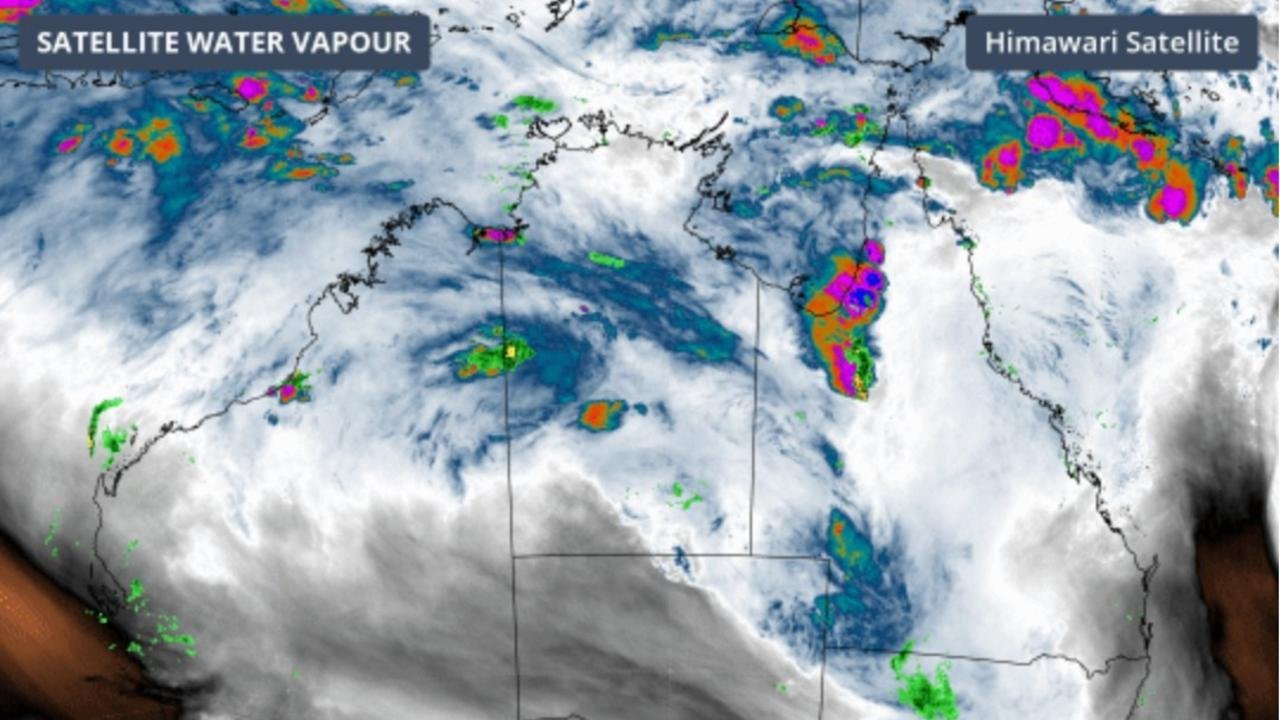
“For Northern Territory and Queensland, rainfall may start to ease later on Wednesday into Thursday, but for South Australia and New South Wales, heavy rain is forecast to continue well into the weekend, even pushing a little bit further south into South Australia from Friday,” Mr. How said.
In western NSW, authorities are urging residents to stay indoors and avoid unnecessary travel, particularly in Tibooburra, Broken Hill, Wilcannia, White Cliffs, Wanaaring, and Menindee. Rainfall totals of 50mm to 90mm are expected within 24 hours, with isolated falls up to 130mm possible.


In some areas, much of this rain could fall within six hours, increasing the risk of rapid creek rises, overland flooding, and dangerous driving conditions. Severe thunderstorms are also developing over the southern ACT and Snowy Mountains, with the Bureau warning of “large hailstones, heavy rainfall that may lead to flash flooding and damaging winds” across southeast NSW on Wednesday.
Locations likely to be affected include Adaminaby, Araluen, Captains Flat, and Bredbo. In Victoria, a severe weather warning covers a large area east of Melbourne, including the west and south Gippsland, as damp conditions continue to build.
The tropical low has already shattered several rainfall records in Australia’s normally arid interior. Mount Isa in Queensland recorded its wettest February on record, with 40.4mm falling in 24 hours to Wednesday 9am, bringing the month’s total to 318.6mm, surpassing the previous record of 282.5mm dating back to 1926.
Meanwhile, Alice Springs in the Northern Territory set a record for the highest number of rain days in February, experiencing rain on 15 days this month, including a nine-day consecutive wet streak. Although the town has yet to surpass its February rainfall total record, showers and storms are expected through the end of the month.
Other notable rainfall totals in the last 24 hours include 169mm at Nappa Merrie, southwestern Queensland; 90.5mm at Tibooburra (Fort Grey), far northwest NSW; 72.8mm at White Cliffs, NSW — more than a quarter of the town’s annual average; and 49.2mm at Moomba Airport, SA — pushing the running monthly total past the town’s annual average.
South Australia and Queensland are also bearing the brunt of the severe weather, with heavy rainfall and strong winds forecast across the northeast of South Australia and the far southwest of Queensland.
“Locally intense rainfall which may lead to dangerous and life-threatening flash flooding is also possible with isolated thunderstorms,” the Bureau said. Damaging east to south-easterly winds averaging 55–65km/h with peak gusts of around 90km/h are expected over parts of the Mount Lofty Ranges and Adelaide Metro.
Queensland’s far southwest is experiencing heavy to locally intense rainfall, with six-hour totals of 50–80mm expected and isolated totals up to 110mm possible, raising concerns for flash flooding and livestock.
Analysis: What This Means for Australia
The severe weather crisis gripping the country has significant implications for national security, law enforcement, and community safety. With almost half of the country on flood watch, authorities are urging residents to take precautions and prepare for extended wet conditions.
Security analysts say the prolonged rainfall and flash flooding pose a significant risk to critical infrastructure, including roads, bridges, and buildings. Law enforcement insiders warn that the severe weather could also lead to an increase in emergency services callouts and potential looting.
Industry observers believe the floods could have a devastating impact on the agricultural sector, with crops and livestock at risk of being destroyed. The economic consequences of the floods are also likely to be significant, with the tourism and transport sectors expected to be heavily affected.
As the tropical low continues to linger over central Australia, residents across the country are being urged to monitor flood watches and warnings and take necessary precautions to ensure their safety.