Mass Graves Uncovered in Congo’s Blood-Soaked Eastern Region as M23 Rebels Withdraw, Leaving Trail of Death and Destruction
- At least 171 bodies found in two mass graves in eastern Congo, with rebels accused of killing victims suspected of belonging to government forces
- Fighting in the region continues despite US-mediated peace deal, with over 7 million people displaced in one of the world’s most significant humanitarian crises
- Congolese military and M23 rebels both accused of extrajudicial killings and abuses by rights groups, with civilians caught in the crossfire
- Rwanda accused of backing M23, which has grown from hundreds to 6,500 fighters, as conflict rages on multiple fronts in eastern Congo
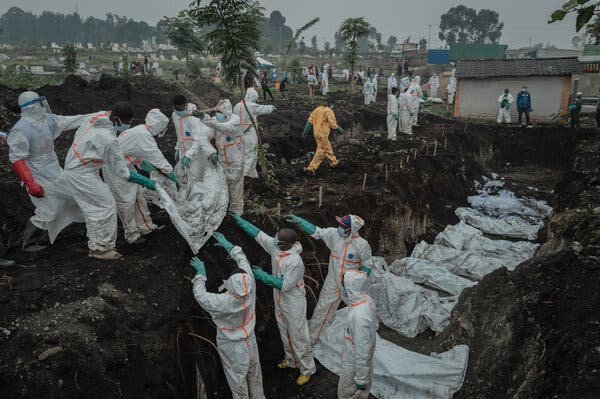
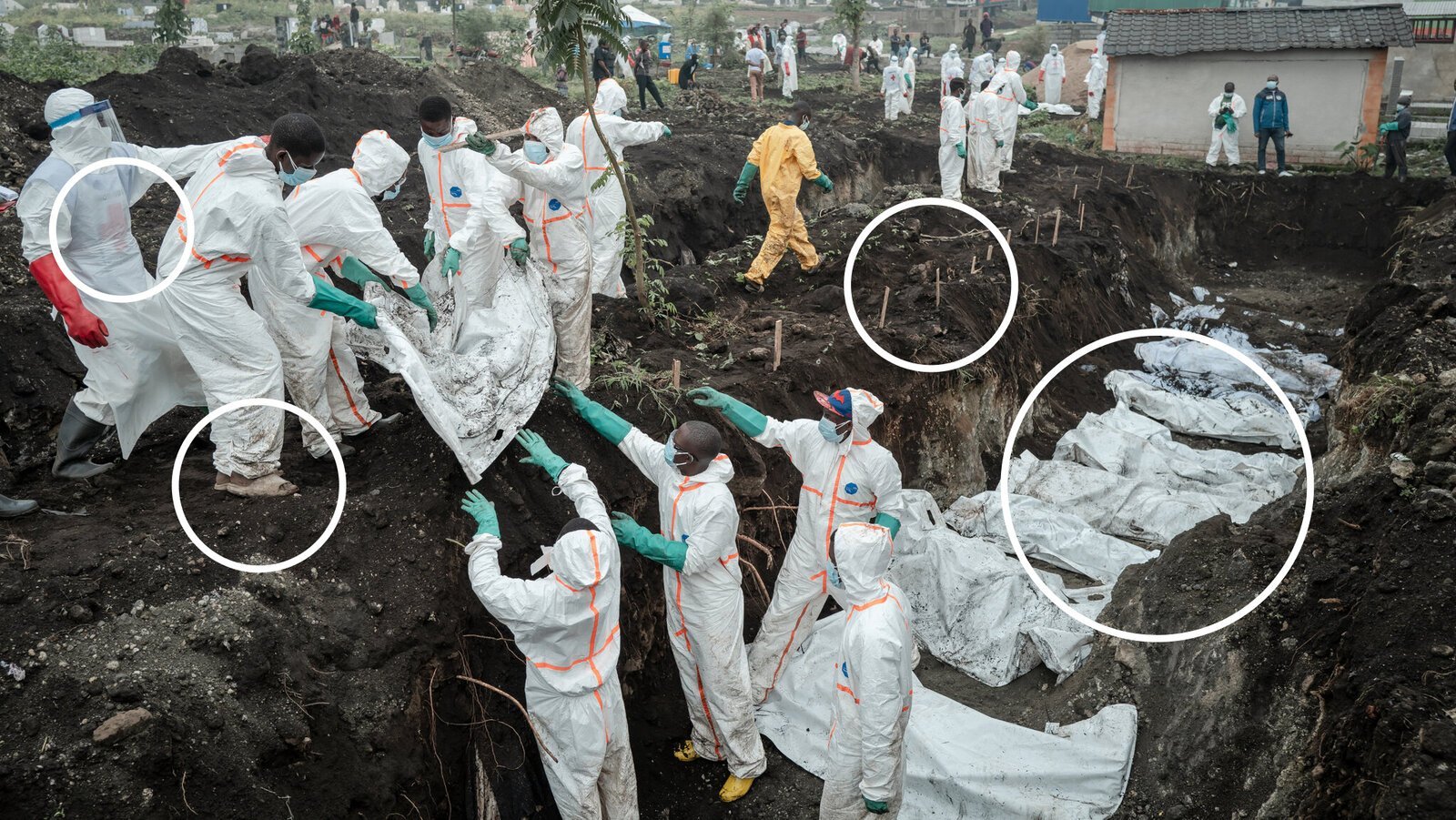
The discovery of two mass graves in eastern Congo has sent shockwaves through the region, as the scale of the humanitarian crisis continues to unfold. Authorities have found at least 171 bodies in the graves, with the M23 rebel group accused of killing the victims because they suspected them of belonging to the Congolese army or a pro-government militia.
The governor of South Kivu province, Jean-Jacques Purusi, told The Associated Press that the mass graves were found in the Kiromoni and Kavimvira neighbourhoods on the outskirts of the eastern city of Uvira. The M23 rebel group had recently withdrawn from the area, leaving behind a trail of death and destruction.
The Executive Secretariat of the Local Network for the Protection of Civilians, a civil society group in the region, said it wanted to visit the mass graves but was prevented from doing so by the Congolese military. Information gathered so far indicates that the victims were killed by M23 rebels, said Yves Ramadhani, the group’s vice-president.
The ongoing conflict in eastern Congo has created one of the world’s most significant humanitarian crises, with more than 7 million people displaced. The region is home to over 100 armed groups vying for control, with the M23 rebel group being one of the most prominent. The group has grown from hundreds of members in 2021 to around 6,500 fighters, according to the UN.
Despite the signing of a deal between the Congolese and Rwandan governments brokered by the US, fighting continues on several fronts in eastern Congo, claiming numerous civilian and military casualties. The conflict has also led to widespread human rights abuses, with both the Congolese military and M23 rebels accused of extrajudicial killings and abuses by rights groups.

Analysis: What This Means for Australia
The ongoing conflict in eastern Congo has significant implications for regional security, with the potential to destabilize the entire region. As a key player in international affairs, Australia has a responsibility to engage with the international community to find a lasting solution to the crisis. The Australian government must also consider the humanitarian implications of the conflict, with millions of people displaced and in need of aid.
Security analysts say that the conflict in eastern Congo has the potential to spill over into neighboring countries, with the potential to destabilize the entire region. Law enforcement insiders warn that the conflict is also fueling a surge in illegal activities, including arms trafficking and people smuggling.
Industry observers believe that the conflict is also having a significant impact on the region’s economy, with trade and investment drying up as a result of the instability. The Australian government must work with regional partners to find a solution to the crisis, with a focus on promoting stability and economic development.