Iran’s President Apologises to Neighbours as US Vows to Hit ‘Very Hard’ in Escalating Middle East Conflict
- Iran’s president apologises to neighbouring Gulf countries for recent attacks, but US warns of severe consequences
- Iran continues strikes on Bahrain, Saudi Arabia, and the United Arab Emirates despite apology
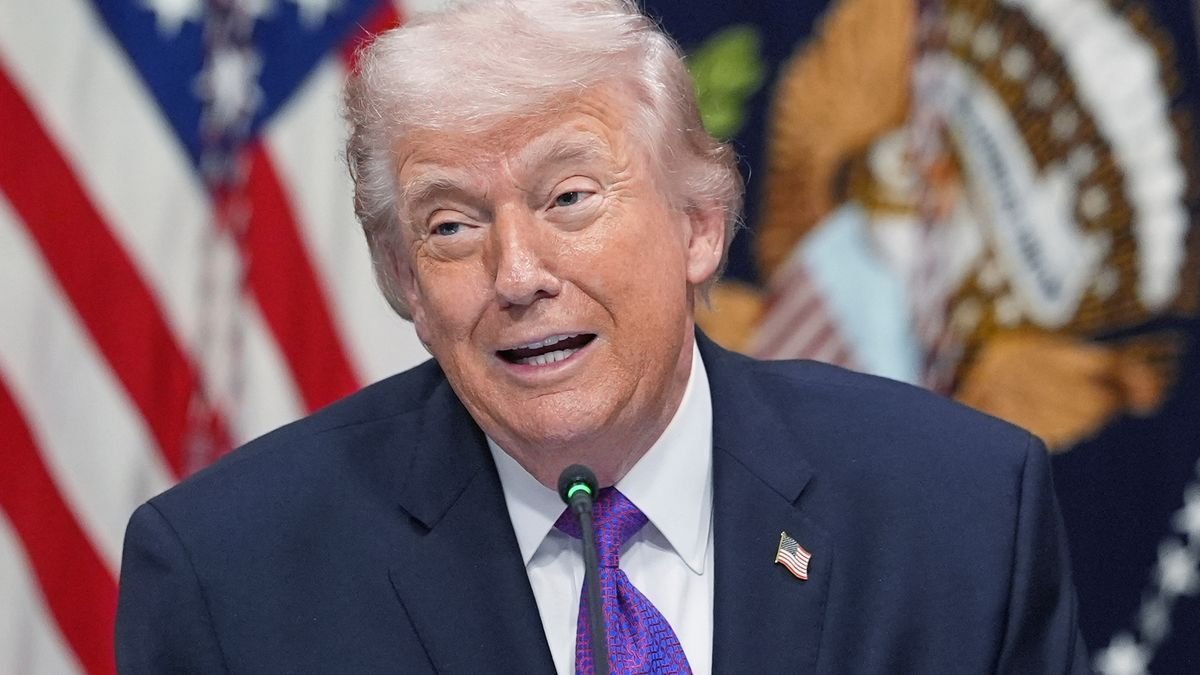
- US President Donald Trump vows to hit Iran “very hard” in response to its “bad behaviour”
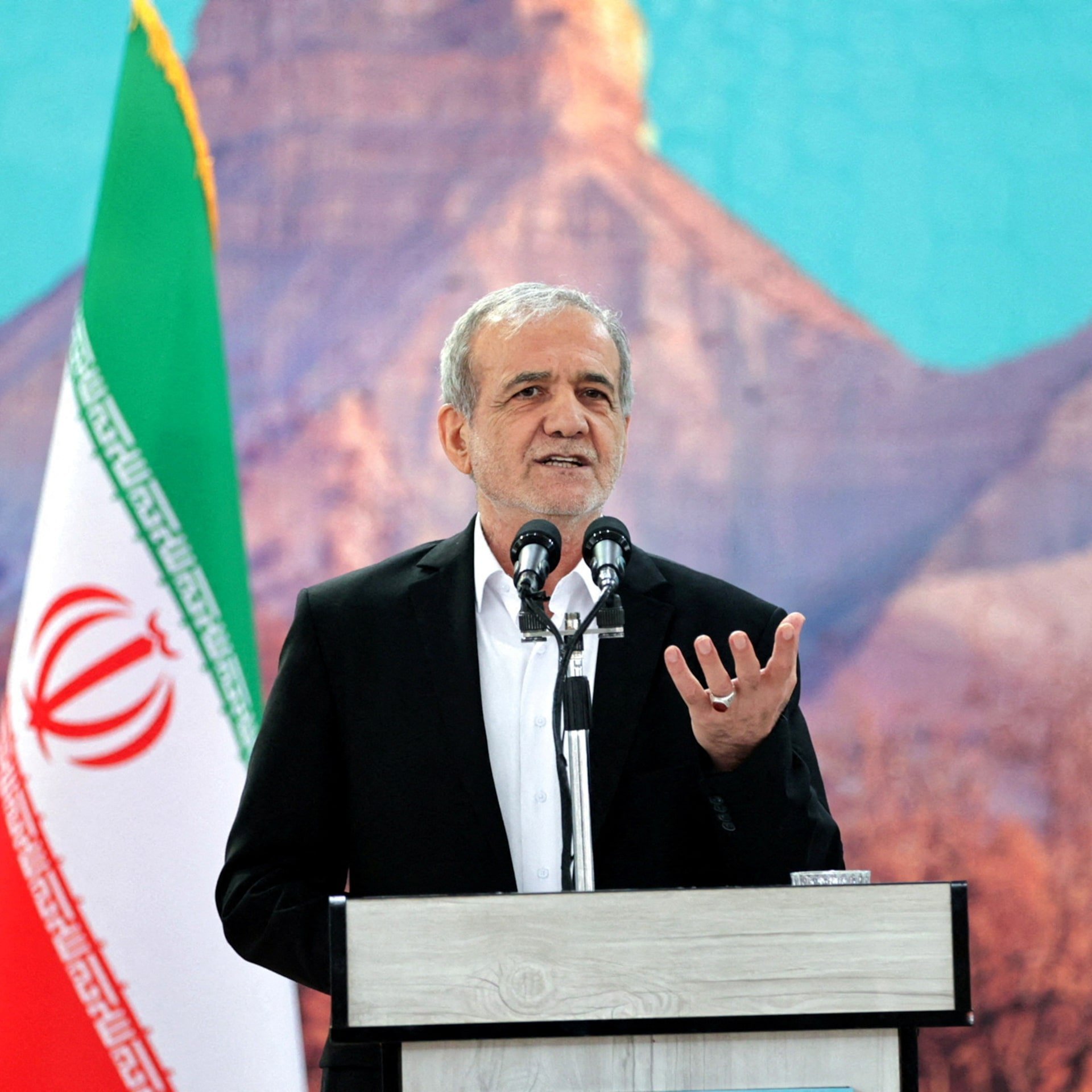
The Middle East conflict has escalated further as Iran’s president, Masoud Pezeshkian, apologised to neighbouring Gulf countries for recent attacks, even as the country continues to strike Bahrain, Saudi Arabia, and the United Arab Emirates. However, the apology has been met with scepticism by the US, which has warned Iran that it will be hit “very hard” in response to its actions.
In a prerecorded address aired by state television, Pezeshkian said, “I should apologise to the neighbouring countries that were attacked by Iran, on my own behalf… From now on, they should not attack neighbouring countries or fire missiles at them, unless we are attacked by those countries. I think we should solve this through diplomacy.” However, the apology came after repeated attacks on Saturday morning, and the US has dismissed it as insincere.
US President Donald Trump took to his Truth Social website to warn Iran that “Today Iran will be hit very hard!” He claimed that Iran’s president had “surrendered” to its neighbours and promised not to attack them again, but only because of the “relentless US and Israeli attack”. Trump wrote, “Iran is no longer the ‘Bully of the Middle East,’ they are, instead, ‘THE LOSER OF THE MIDDLE EAST,’ and will be for many decades until they surrender or, more likely, completely collapse!”
The situation has led to widespread disruption in the region, with Emirates briefly suspending all flights to and from Dubai before resuming operations. The airline said in a statement that it would continue to monitor the situation and develop its operational schedule accordingly, with the safety of its passengers and crew its highest priority.
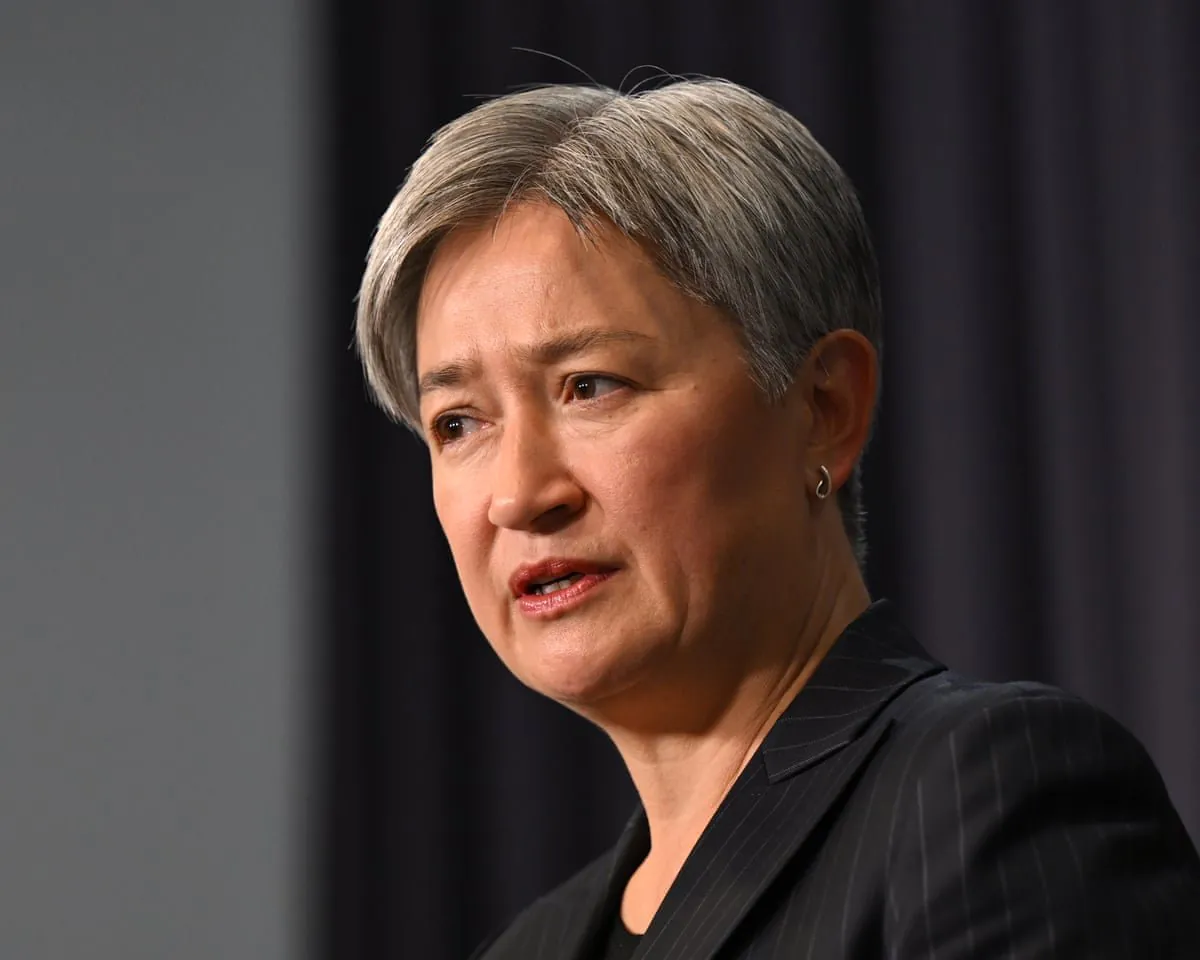
The conflict has also led to a massive displacement of people, with over 1300 Australians returning home but 100,000 remaining stranded in the Middle East. The Albanese government has said it is working around the clock to get them home, with bus services set to take stranded Australians from Doha to Riyadh from Saturday night.


Analysis: What This Means for Australia
The escalating conflict in the Middle East has significant implications for Australia’s national security and economy. The continued instability in the region could lead to a rise in oil prices, which would have a direct impact on Australia’s economy. Additionally, the conflict could lead to a surge in terrorism and extremism, which would require increased security measures to protect Australians at home and abroad.
Security analysts say that the situation highlights the need for Australia to strengthen its relationships with its allies in the region and to invest in its defence capabilities. “The conflict in the Middle East is a clear reminder of the importance of having a strong and capable defence force,” said one analyst. “Australia needs to be prepared to respond to any threat to its national security, and that requires investment in our military capabilities.”
The conflict also has implications for Australia’s economy, particularly in terms of trade and investment. The Middle East is a significant market for Australian exports, and any disruption to trade could have a significant impact on the economy. “The conflict in the Middle East is a clear reminder of the importance of diversifying our trade relationships,” said an industry observer. “Australia needs to be prepared to adapt to changing circumstances and to find new markets for its exports.”
As the situation continues to escalate, one thing is clear: the conflict in the Middle East has significant implications for Australia’s national security, economy, and way of life. It is essential that Australia takes a proactive approach to addressing these challenges and works to protect its interests in the region.