‘Don’t Panic, But Be Prepared’: Albanese’s Desperate Plea as Petrol Panic Buying Reaches Crisis Point
- Fuel demand surges, causing unnecessary pressure on supplies as motorists panic buy
- Prime Minister Albanese warns against exploiting the situation, putting service stations on notice over pricing
- Fuel rationing not ruled out as government considers long-term measures to address crisis
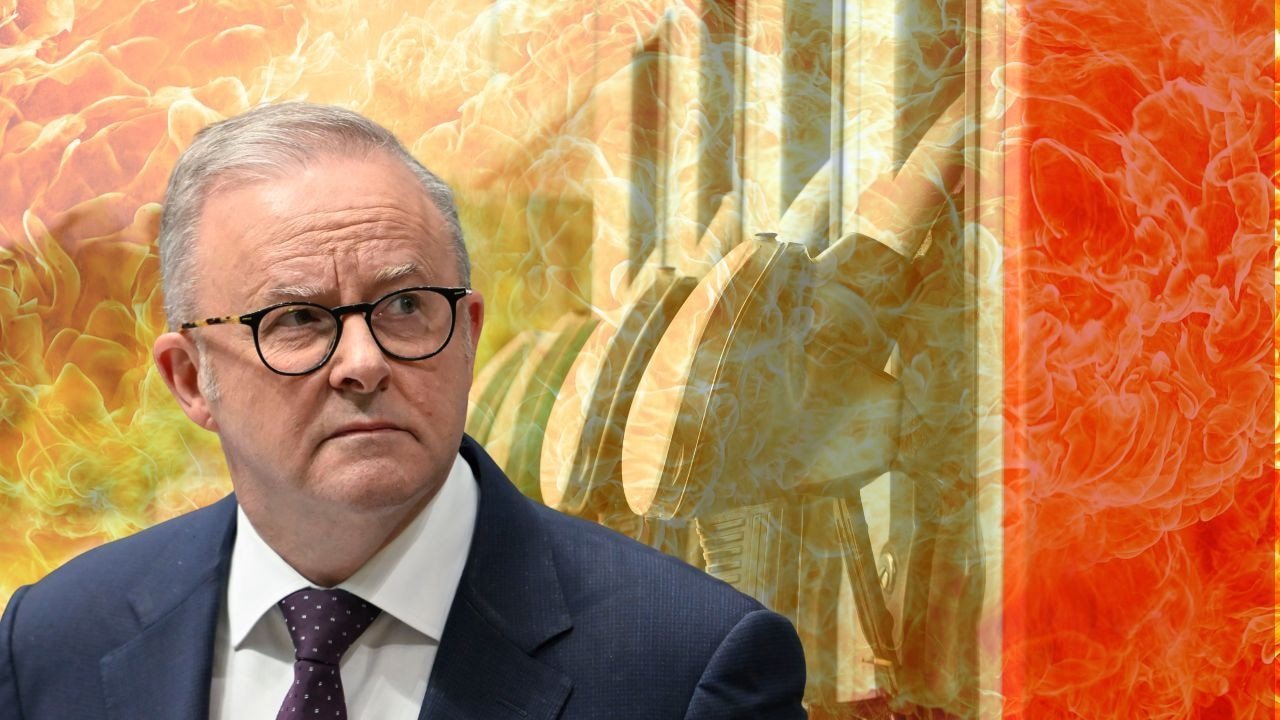
As petrol panic buying reaches crisis point, Prime Minister Anthony Albanese has made a desperate plea to motorists to stop hoarding fuel, warning that the surge in demand is causing more problems than the fuel supply itself.
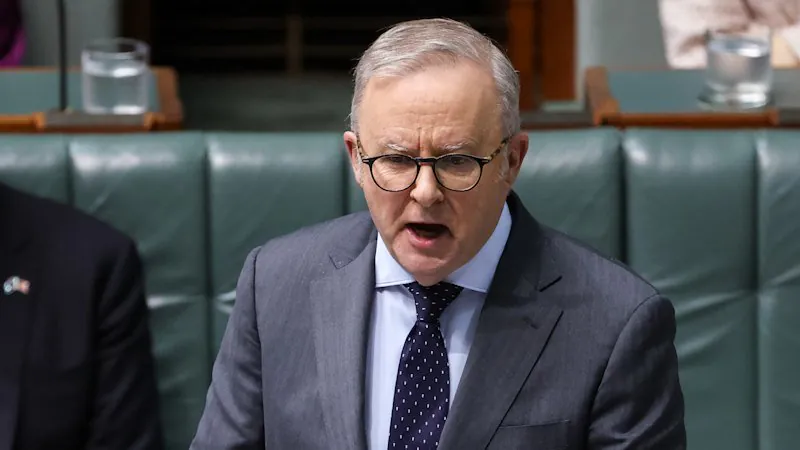
“My message to Australians is to not take more fuel than you need,” Mr Albanese said, urging drivers to be sensible and considerate of others.
In a stern warning, the Prime Minister cautioned service stations against exploiting the situation, putting them on notice that the Australian Competition and Consumer Commission (ACCC) will take action against any inappropriate behaviour.

“There’s no place for any company to try to take advantage of this to increase their profits at the expense of Australians,” he said.
As the government scrambles to address the crisis, Deputy Prime Minister Richard Marles refused to rule out fuel rationing as an additional measure, saying it would depend on the duration of the conflict.


Meanwhile, Treasurer Jim Chalmers walked back comments on the possibility of fuel rationing, but the threat remains a looming concern.
The ACCC has called an emergency meeting with major fuel companies and retailers to explain price hikes that have raised alarm within the regulator. The meeting comes as fuel prices continue to skyrocket, with wholesale and retail petrol and diesel costs climbing significantly over the past three weeks.
The commission expressed concern about diesel availability in regional and rural areas, as rising prices coincide with potential supply pressures.
Security analysts say the crisis highlights Australia’s vulnerability to global market fluctuations, and the need for a long-term strategy to address fuel security. “This is a wake-up call for Australia to diversify its energy sources and reduce its reliance on imported fuel,” said one expert.
“The government must take immediate action to address the crisis, but also prioritize long-term solutions to prevent this from happening again.”
Analysis: What This Means for Australia
The petrol crisis has serious implications for national security, law enforcement, and the economy. If the situation continues to escalate, it could lead to fuel rationing, which would have far-reaching consequences for industries and individuals alike.
The government must take immediate action to address the crisis, but also prioritize long-term solutions to prevent this from happening again. Industry observers believe that the crisis is a stark reminder of the need for Australia to develop a more sustainable and self-sufficient energy strategy.
Law enforcement insiders warn that the crisis could lead to increased criminal activity, as opportunistic thieves and scammers take advantage of the situation. “We’re already seeing reports of fuel theft and scams, and it’s only going to get worse if the crisis continues,” said one source.
“The government needs to take a tough stance on fuel-related crime and ensure that those responsible are held accountable.”
The economic consequences of the crisis are also significant, with small businesses and rural communities likely to be hit the hardest. “This crisis is a disaster for our business,” said one small business owner.
“We rely on fuel to operate, and if prices continue to rise, we’ll be forced to shut down.”
As the situation continues to unfold, one thing is clear: the government must take immediate action to address the crisis, and prioritize long-term solutions to prevent this from happening again.
The Australian people are counting on it.