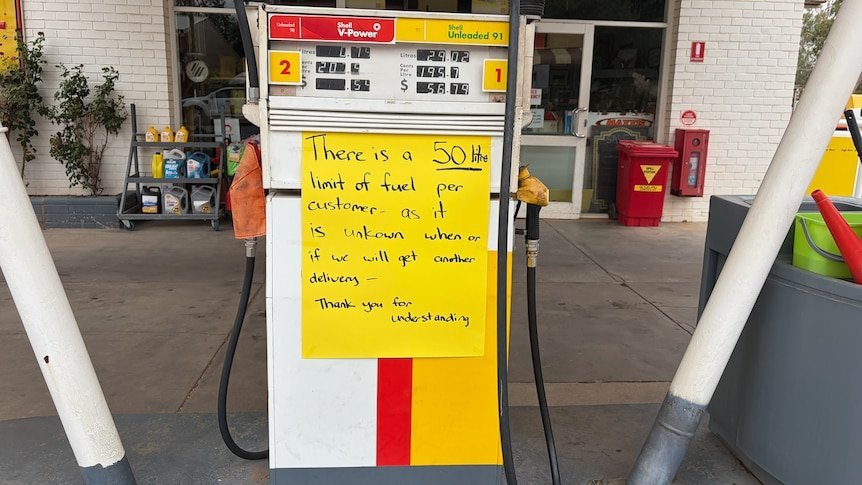
Rising Fuel Costs Spark Travel Chaos: Aussie Road Trips and Holidays in Jeopardy
- Fuel shortages and rising costs force Aussies to cancel travel plans, with regional communities set to feel the biggest hit
- Experts warn of widespread fuel rationing if Middle East war is prolonged, threatening to strand travellers in remote areas
- Tourism industry bracing for economic blow, with fuel costs affecting road trips, air travel, and cruises
For Leigh and Lindsay Ludwig, a six-month caravan trip around Australia was supposed to be the adventure of a lifetime. But with fuel shortages and rising costs due to the war in the Middle East, they’ve been forced to put their plans on hold.
The Gold Coast retirees are not alone, as experts warn that Aussies should prepare for higher costs on the road, in the air, and at sea.
The Ludwigs had been planning their trip for months, eager to tick off iconic sights from their bucket list. However, diesel shortages in remote towns and rising fuel costs have made it impossible for them to embark on their journey.
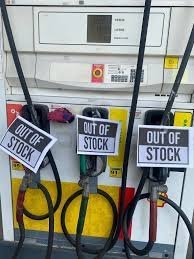
“We can’t risk getting stranded in the bush with no fuel. If you can’t move your car, you can’t buy food, you can’t survive,” Leigh Ludwig said.
Professor Susanne Becken, a sustainable tourism expert at Griffith University, says the rising fuel costs are putting pressure on all areas of travel, including aviation, cruising, and road trips.

“Whether you take a local trip by car, fly somewhere, or go on a cruise, it all depends on energy,” she said. “When fuel prices rise sharply, travellers postpone or cancel their holidays.
That’s going to have an impact on a lot of regional communities that rely on the drive market.”
The impact on regional communities could be devastating. Leigh Ludwig estimates that she and her husband would have spent around $8,000 a month in regional communities on fuel, tourism activities, and supplies.
“That’s $8,000 a month not going into those areas,” she said. “And it’s not just us.
Lots of caravanners that were planning on going through these towns are delaying.”
Analysis: What This Means for Australia
The fuel crisis has far-reaching implications for Australia’s tourism sector, which is already reeling from a decline in international visitor numbers. Regional communities, which rely heavily on the drive market, are likely to be hit hard.
“Cruise visits create a huge windfall for businesses around the country, many of which are small-to-medium sized operators like local tour companies, shops, restaurants, travel agents, farmers and other suppliers,” Professor Becken said.
Security analysts say the fuel shortage also raises concerns about national security, particularly in remote areas where fuel is a lifeline for both travellers and local communities.
“Without it, they’d be pretty stranded.
Every community runs on diesel generators for pretty much everything, so it’s a very important resource,” said Jack Colquhoun, general manager of Cape York Camping Punsand Bay.
Law enforcement insiders warn that the fuel crisis could also lead to an increase in fuel smuggling and other criminal activity. “We’re already seeing reports of fuel theft and hoarding in some areas.
It’s a situation that’s ripe for exploitation by criminals,” said one law enforcement source.
Industry observers believe that the fuel crisis is an opportunity to rethink the tourism sector’s dependence on fossil fuels. “We need to think about how we can remove tourism’s dependence on fossil fuels.
Renewable energy and electrification are the way forward for tourism,” Professor Becken said.
As the situation unfolds, one thing is clear: the rising fuel costs and shortages are set to have a profound impact on Australia’s tourism industry and regional communities.
It’s a situation that requires urgent attention and innovative solutions to mitigate the economic and social consequences.