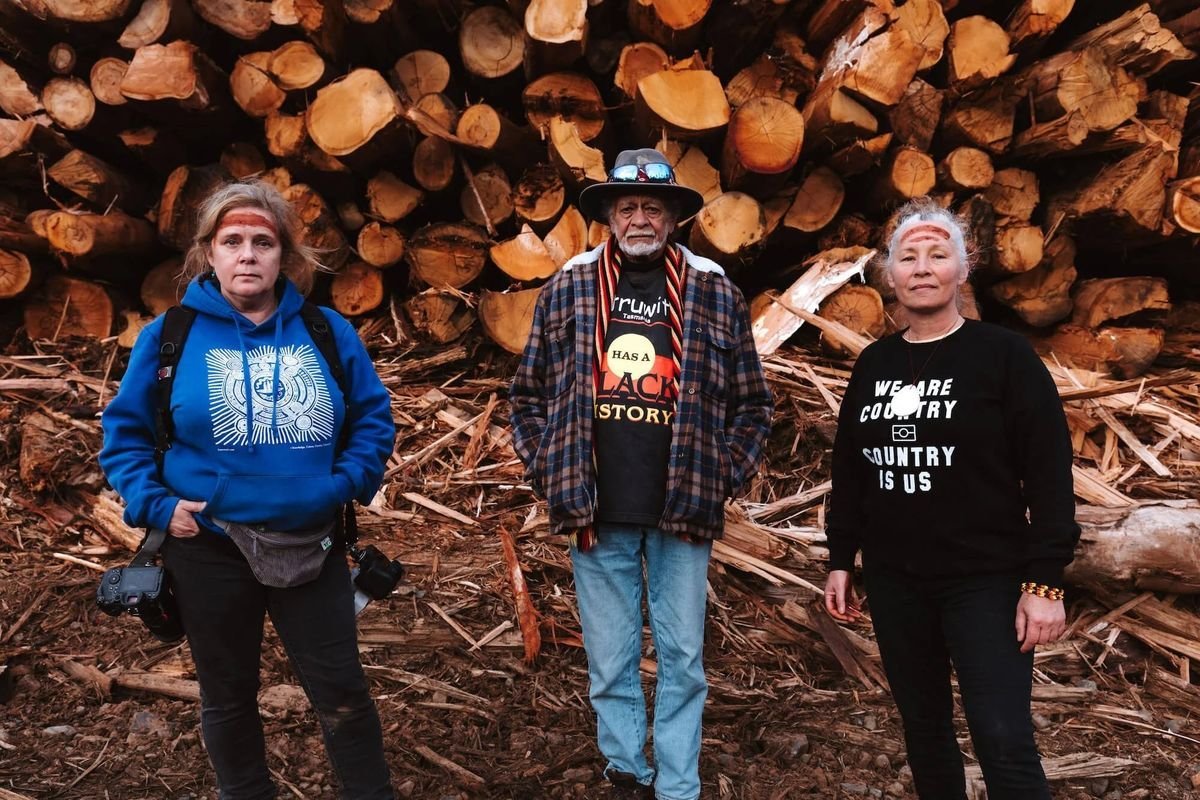
Radical Move: Aboriginal Activist Demands Court Hearing on Sacred Land in Historic First for Tasmania
- A Tasmanian Aboriginal woman has sparked a landmark debate by requesting her court hearing be held on Aboriginal-owned land
- Ruth Langford/Tipruthanna is charged with trespass and failure to comply with a request during anti-logging protests
- The move has sparked hopes of a more inclusive and culturally sensitive justice system in Tasmania
In a bold move, a Tasmanian Aboriginal activist has asked the Hobart Magistrates Court to hold her hearing on Aboriginal-owned land, sparking a historic debate about the justice system’s approach to indigenous rights.
Ruth Langford/Tipruthanna, a Yorta Yorta/Dja Dja Wurrung woman, is charged with two counts of trespass and one count of failure to comply with a request from an authorised officer related to anti-logging protests.
The 55-year-old has pleaded not guilty to all charges and is representing herself in court.
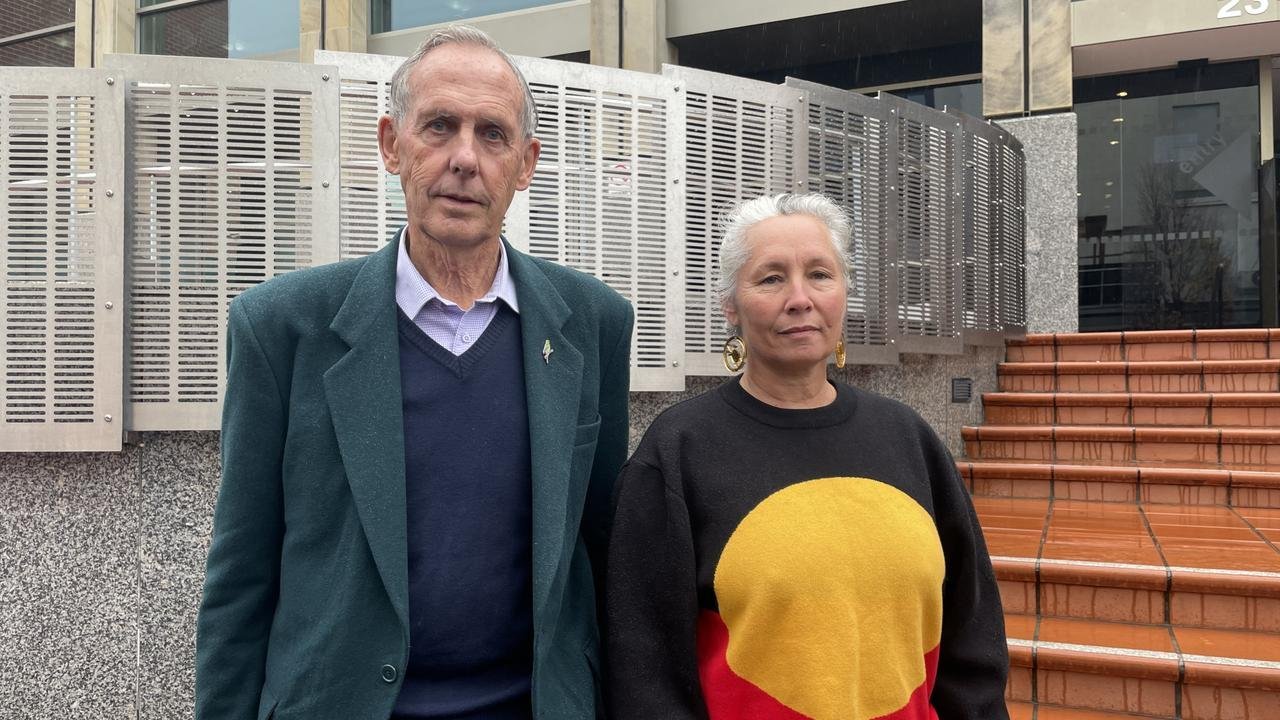
Her request to hold the hearing on Piyura Kitina/Risdon Cove, a place of cultural significance for palawa people, has sent shockwaves through the legal community.
If approved, it would be a first for Tasmania and a significant step towards reconciliation.




Langford/Tipruthanna’s application is not just about her own case; it’s about challenging the status quo and pushing for a more inclusive and culturally sensitive justice system.
She believes that an on-country hearing would “tangibly demonstrate how people can come together to move forward to ensuring justice has an element and quality of human values”.
The prosecution has indicated it does not oppose the application, but the court’s security protocols would still need to be enforced.
Langford/Tipruthanna has assured the court that there would be no security threat at the proposed location and is prepared to accept all security principles that apply in the court.
Analysis: What This Means for Australia
This unprecedented request has far-reaching implications for Australia’s justice system. It raises questions about the need for cultural sensitivity and understanding in our courts, particularly when dealing with indigenous Australians.
If approved, it could pave the way for more inclusive and empathetic approaches to justice, acknowledging the intergenerational trauma experienced by Aboriginal and Torres Strait Islander peoples.
Security analysts say that this move could also have national security implications, highlighting the need for law enforcement agencies to work more closely with indigenous communities to build trust and understanding.
Industry observers believe that this could be a turning point in the country’s approach to reconciliation, demonstrating a willingness to listen and learn from indigenous Australians.
As the chief magistrate deliberates on Langford/Tipruthanna’s application, the nation waits with bated breath. Will Tasmania take the lead in revolutionising its justice system, or will it stick to the status quo?
The decision has the potential to send shockwaves across the country, sparking a long-overdue conversation about the role of indigenous Australians in our justice system.
One thing is certain – Ruth Langford/Tipruthanna’s bravery has opened the door to a new era of possibility and potential for change.
As she said outside court, “Let’s hope that the decision she will pass down … actually is a step in the right direction for justice and a new way through that shows we can have institutions that can be considerate and caring and human.”