Fuel Shock: War in the Middle East Sparks Inflation Crisis in Australia, Threatening Economic Stability
- Fuel surcharges are spreading across industries, from ridesharing to online shopping, as war in the Middle East disrupts oil supplies.
- Inflation fears surge, with economists predicting a 30% chance of recession within 12 months and official inflation figures set to spike.
- Australians face higher prices on everyday goods and services, from bread to coffee, as businesses pass on fuel costs to consumers.
The war in the Middle East has sent shockwaves through Australia’s economy, sparking a fuel crisis that’s driving up prices on everyday goods and services. As oil supplies dwindle, fuel surcharges are spreading like wildfire across industries, from ridesharing to online shopping.
The consequences are far-reaching, with economists warning of a potential recession and official inflation figures set to surge.
The impact is already being felt on the ground. Rideshare companies like Uber and Didi are increasing fares, while wholefoods stores and restaurants are adding fuel surcharges to their prices.
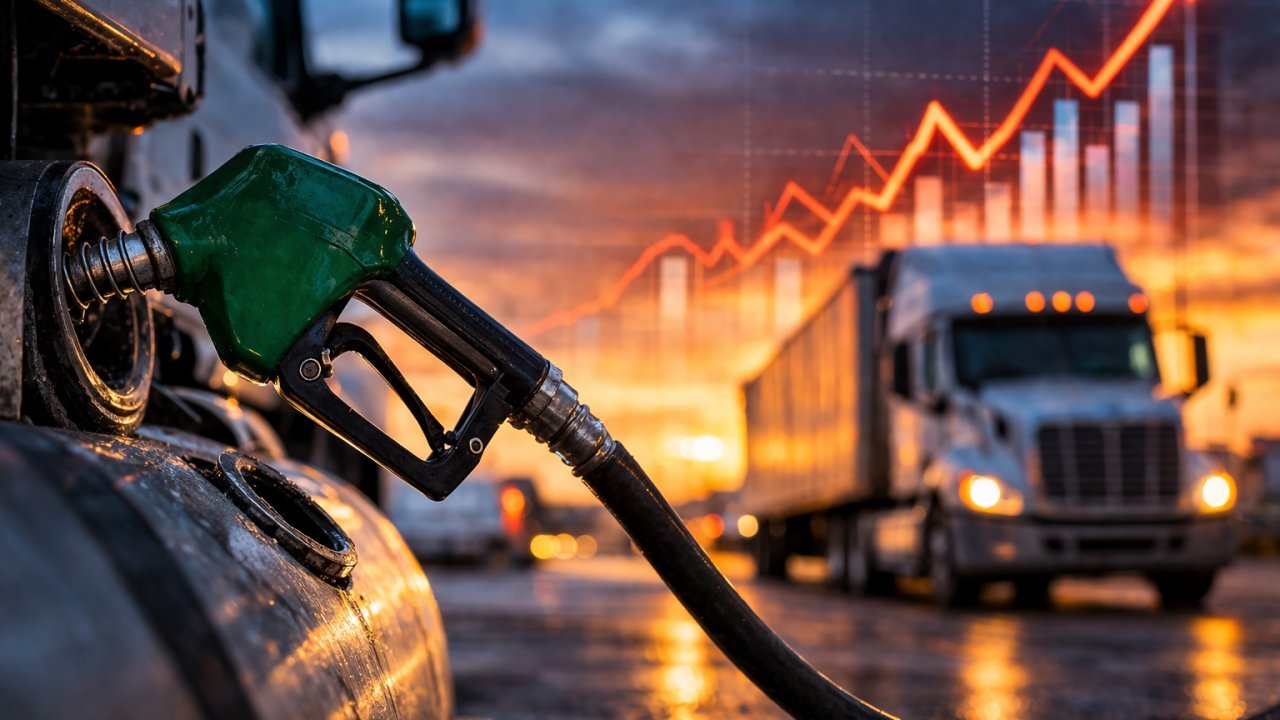
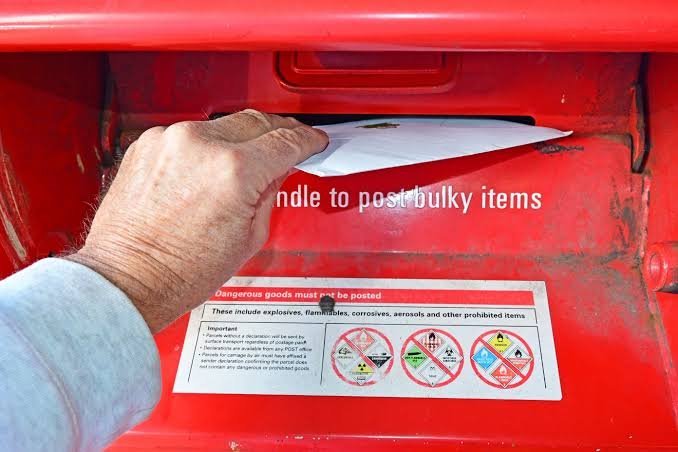
Even online shopping is under pressure, with freight and logistics companies battling surging fuel costs. Australia Post has applied a fuel surcharge fee to customers’ accounts, adding to the financial burden on businesses and consumers alike.
The war has disrupted the global oil supply chain, causing fuel prices to skyrocket. As a result, economists are forecasting a surge in official inflation figures in the coming months.



AMP economists predict inflation will soar to 4.3% in the March quarter and above 5% in the June period. This could lead to higher interest rates, further exacerbating the economic pain.
Analysis: What This Means for Australia
The fuel crisis has significant implications for Australia’s economic stability. With inflation on the rise, the Reserve Bank may be forced to raise interest rates again, putting pressure on households and businesses.
This could lead to a slowdown in demand, potentially tipping the economy into recession. Security analysts warn that the situation is precarious, with the risk of stagflation – where inflation and high unemployment occur simultaneously – growing by the day.
Law enforcement insiders warn that the fuel crisis could also have implications for national security, as Higher fuel prices could lead to increased costs for emergency services and border control.
Meanwhile, industry observers believe the crisis could have long-term consequences for Australia’s energy supplies, potentially forcing the country to re-evaluate its reliance on imported oil.
As the situation unfolds, one thing is clear: the fuel crisis sparked by the war in the Middle East has the potential to wreak havoc on Australia’s economy.
With prices rising and inflation fears growing, it’s a critical time for policymakers and businesses to take action to mitigate the impact.