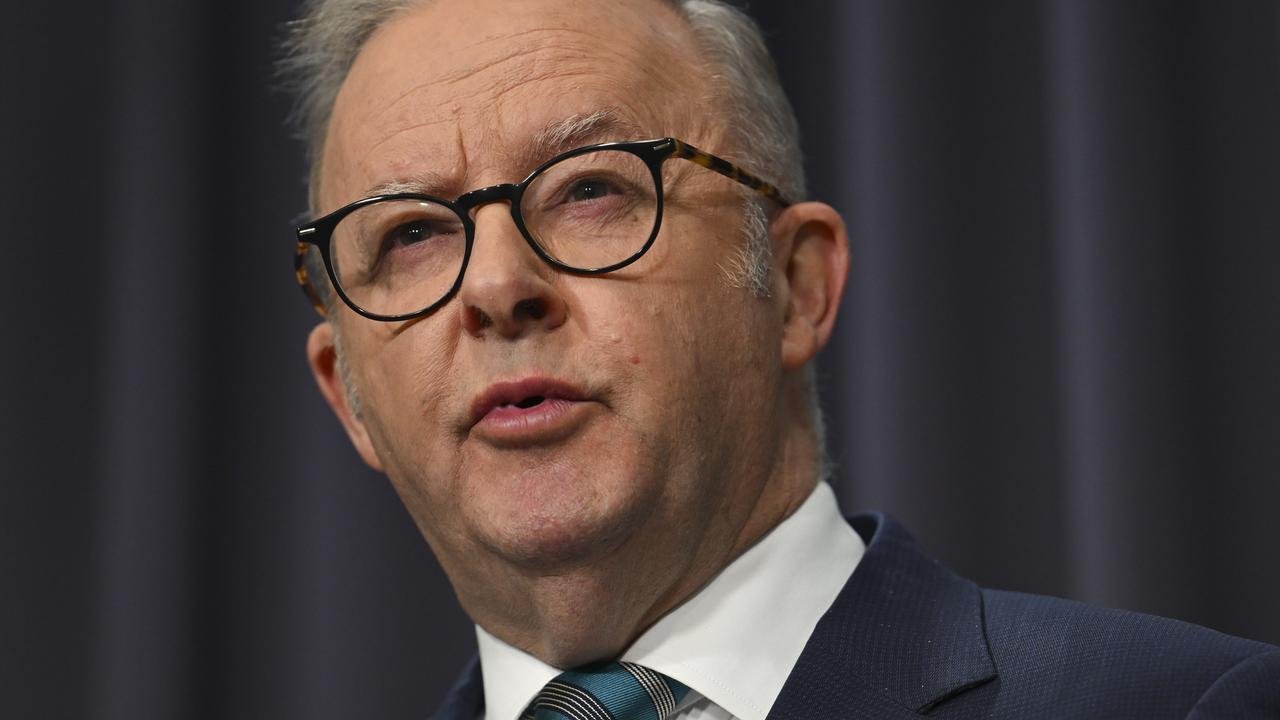
Fuel Crisis: Albanese Leaves Door Open to Halving Fuel Taxes as Australia Teeters on Brink of Chaos
- Prime Minister Anthony Albanese considers temporary relief from sky-high fuel prices, as state leaders call for Commonwealth to take control of fuel crisis management
- Fuel taxes could be halved, saving motorists 26 cents per litre, as Australia faces economic uncertainty amidst the war in Iran
- National cabinet meeting on Monday to coordinate response to fuel crisis, as state premiers demand nationally consistent approach
The fuel crisis gripping Australia has reached a boiling point, with Prime Minister Anthony Albanese forced to consider drastic measures to alleviate the burden on motorists.
As the war in Iran continues to disrupt global energy supply chains, Albanese has left the door open to temporarily halving fuel taxes, a move that could save motorists 26 cents per litre.
The Prime Minister’s comments come as state leaders call for the Commonwealth to take a leading role in managing the fuel crisis, with NSW Premier Chris Minns warning that “COVID-style” protocols are needed to avoid a patchwork response across the country.
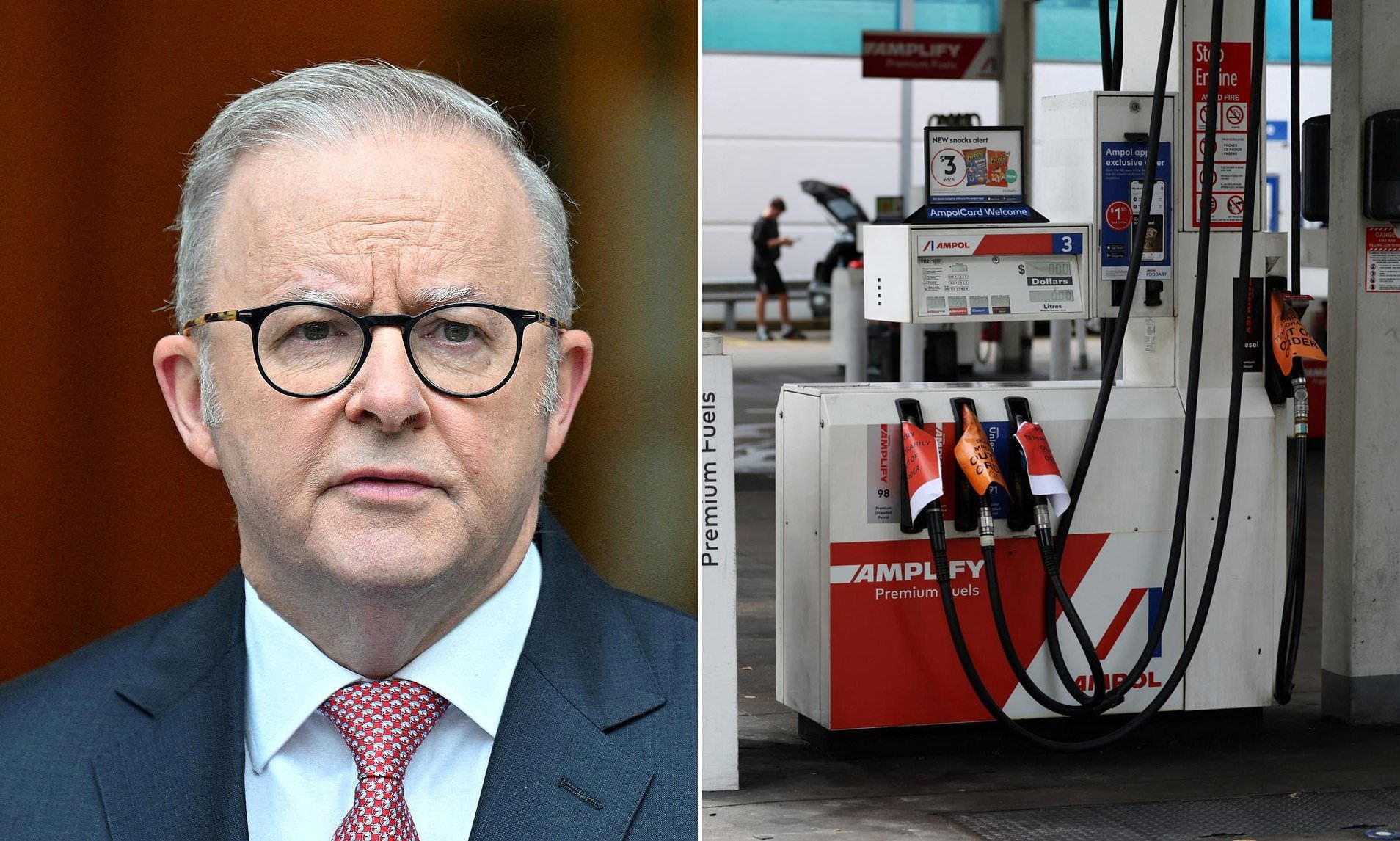
Albanese has convened a meeting of the national cabinet for Monday to coordinate the response to the crisis, as Australians struggle to cope with skyrocketing fuel prices.
The fuel crisis has sparked a blame game, with the Opposition Leader Angus Taylor demanding that the government slash the fuel excise for three months, as well as an associated road user charge on heavy vehicles.

Taylor has proposed funding the measure by ending the exemption from Fringe Benefits Tax for electric cars, unpicking a yet-to-begin subsidy scheme for green hydrogen, and pausing the government’s cheaper home-batteries scheme.
However, Albanese has dismissed Taylor’s suggestion, arguing that the hit to revenue, estimated at $1.5 billion to $2 billion, could not be paid for by scrapping other energy schemes.
The Prime Minister has instead vowed to take “every practical measure required to shield our nation from the worst of the global uncertainty”.
As the crisis deepens, Energy Minister Chris Bowen has assured Australians that fuel supplies continue to flow, with importers securing three additional shipments to meet demand.
However, the international situation remains uncertain, with prices elevated in the international oil market.
Analysis: What This Means for Australia
The fuel crisis has significant implications for Australia’s national security, law enforcement, and economic stability. As the country teeters on the brink of chaos, the government’s response will be crucial in mitigating the impact on Australian communities.
The crisis has also highlighted the need for a nationally consistent approach to fuel management, with state premiers calling for the Commonwealth to take a leading role.
Security analysts say that the crisis has exposed Australia’s vulnerability to global energy supply chain disruptions, and that the government must take a proactive approach to ensuring the country’s energy security.
“This crisis is a wake-up call for Australia,” said one analyst. “We need to diversify our energy sources and reduce our reliance on imported fuel.”
Law enforcement insiders warn that the crisis could lead to increased criminal activity, as desperate motorists turn to illegal means to access fuel. “We’re already seeing reports of fuel theft and hijacking,” said one insider.
“If the government doesn’t act quickly, we could see a surge in criminal activity.”
Industry observers believe that the crisis could have long-term consequences for the Australian economy, as businesses struggle to cope with the increased cost of fuel.
“This crisis could have a ripple effect throughout the economy,” said one observer. “We need to take a holistic approach to addressing the crisis, and that means considering all options, including temporary relief from fuel taxes.”