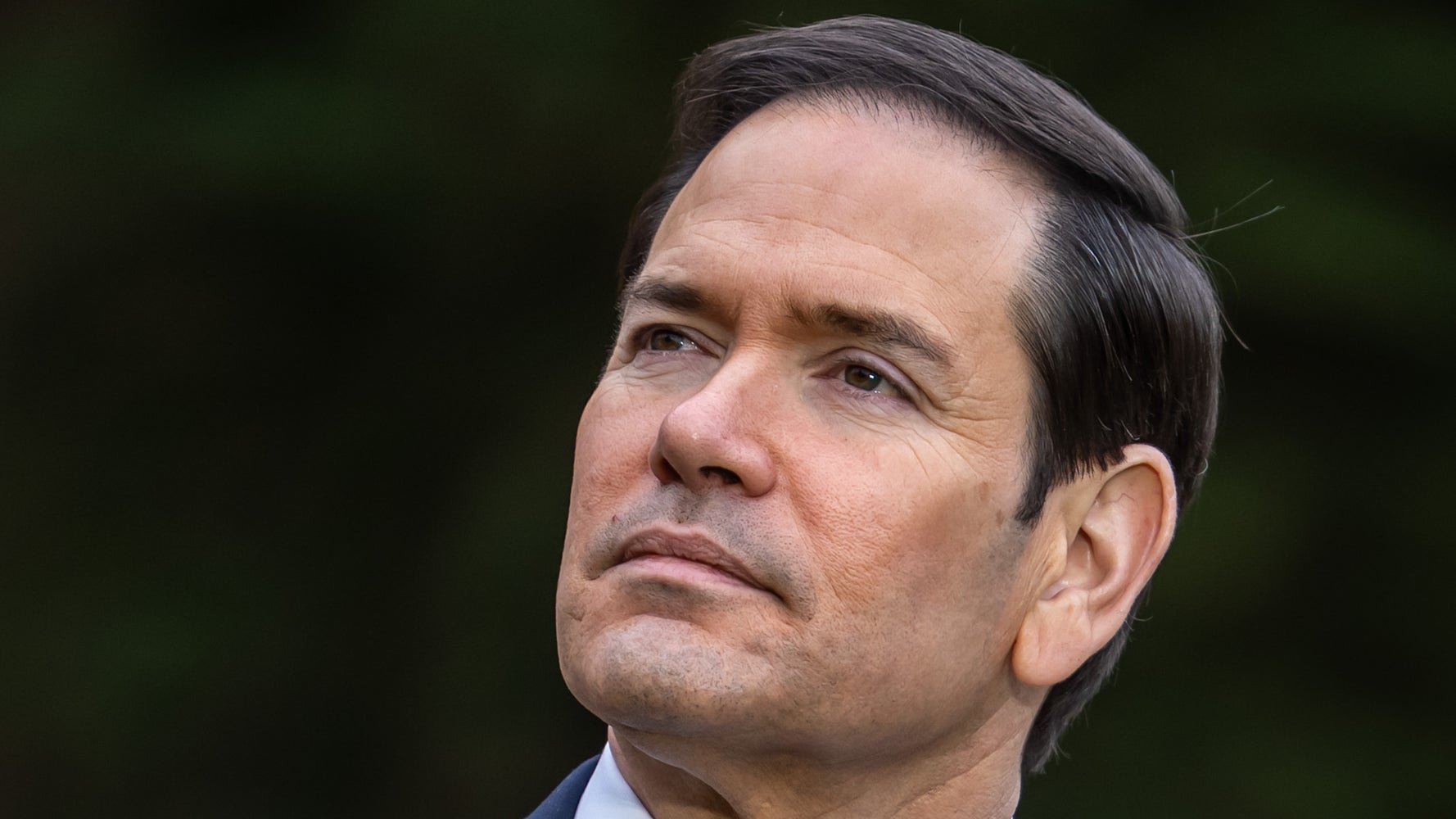
Global Economy Teeters on Brink as Strait of Hormuz Crisis Worsens: “The World Better Step Up” Warns US Secretary of State
- The Strait of Hormuz, a critical waterway for global oil supplies, is at risk of being blocked by Iran, sparking fears of catastrophic economic consequences.
- US Secretary of State Marco Rubio warns that the world must prepare for a post-war coalition to secure safe passage of ships through the strait, or face devastating economic fallout.
- The crisis has already driven up oil, gas, and fertilizer prices, stoking inflation fears and displacing thousands of people in the Middle East.
The world is on high alert as the Strait of Hormuz crisis deepens, with the US Secretary of State Marco Rubio warning that the global economy is at risk of catastrophic consequences if the critical waterway is blocked by Iran.
The strait, which is a vital passage for global oil supplies, is currently at the center of a brewing conflict between the US and Iran, with the US demanding that Iran reopen the strait and Iran threatening to impose a permanent tolling system on ships that pass through.
The crisis has already had devastating consequences, with oil, gas, and fertilizer prices skyrocketing and thousands of people displaced in the Middle East.
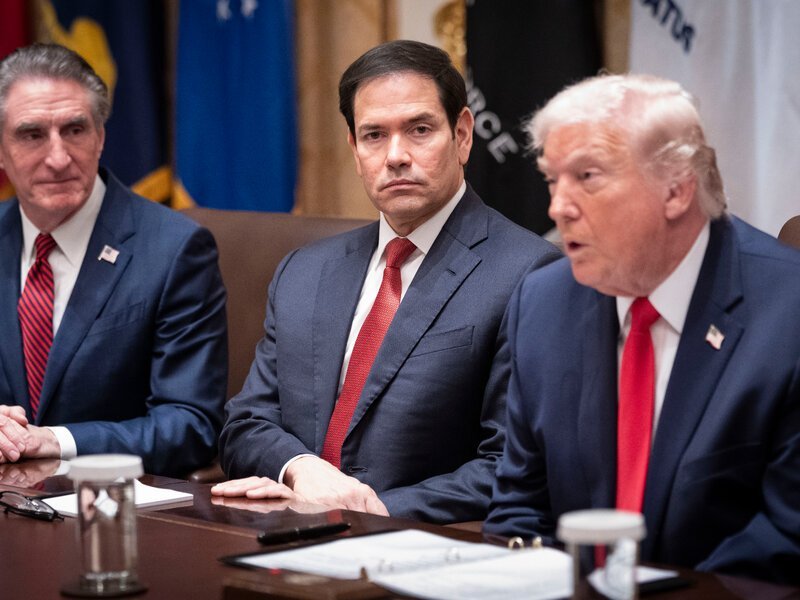
The situation is so dire that Rubio has warned that the world must prepare for a post-war coalition to secure safe passage of ships through the strait, or face the very real possibility of economic collapse.
Rubio’s warning comes as the US and its allies prepare for a possible military operation to secure the strait.



The US has already deployed thousands of troops to the region, and Rubio has warned that the world must be prepared to take action to prevent Iran from imposing its will on the strait.
“The first few tankers that go through the strait after this operation, they’re going to want an escort from somebody or they’re not going to get insurance,” Rubio warned.
“The world better step up.”
The crisis has sparked widespread concern about the potential consequences of a blocked strait. The Strait of Hormuz is a critical passage for global oil supplies, with millions of barrels of oil passing through it every day.
If the strait is blocked, the global economy could be plunged into chaos, with oil prices skyrocketing and economies around the world feeling the pinch.
Analysis: What This Means for Australia
The Strait of Hormuz crisis has significant implications for Australia, which is heavily reliant on imported oil to power its economy. If the strait is blocked, Australia could be forced to pay significantly higher prices for oil, which could have a devastating impact on the economy.
The crisis also raises concerns about the security of Australia’s oil supplies, with the country’s reliance on imported oil making it vulnerable to disruptions in the global supply chain.
Security analysts warn that the crisis highlights the need for Australia to diversify its energy sources and reduce its reliance on imported oil. “The Strait of Hormuz crisis is a wake-up call for Australia,” said one analyst.
“We need to start thinking about our energy security and how we can reduce our reliance on imported oil. This crisis could have a devastating impact on our economy if we don’t take action.”
Industry observers believe that the crisis could also have a significant impact on Australia’s trade relationships, particularly with the US and other allies. “The Strait of Hormuz crisis is a major test of the US-Australia alliance,” said one observer.
“If the US is unable to secure the strait, it could have significant implications for our trade relationships and our economy.”