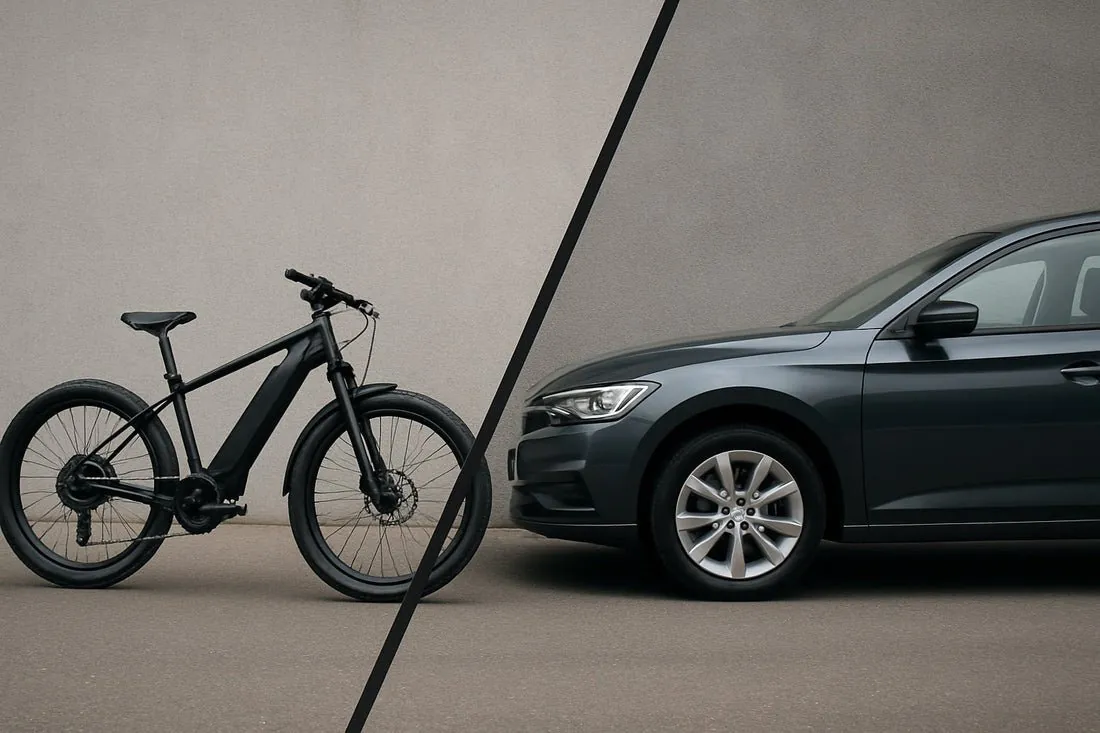
Fuel Price Frenzy Sparks E-Bike Boom: How Australia’s Cycle Industry is Capitalising on Commuters’ Desperation
- Perth bike retailers report surge in e-bike sales as commuters ditch cars due to soaring fuel costs
- Some stores see sales jump from 4 to 30 e-bikes in just 10 days as motorists seek cheaper alternatives
- Industry insiders predict an e-bike sales spike similar to the COVID-19 pandemic if fuel issues persist
- Australians are turning to e-bikes as a way to cope with fuel price hikes and reduce anxiety around transportation
As fuel prices continue to skyrocket, Australian commuters are seeking alternative ways to get around, and the cycle industry is cashing in.
Perth-based retailers are reporting a significant surge in e-bike sales, with some stores seeing a jump from just 4 sales per week to as many as 30 in 10 days.
One commuter, Sam Hoskisson, made the switch to an e-bike after watching diesel prices climb in recent weeks. “Every day when I was driving to work, I was seeing it go up 10, 15 cents a litre,” he said.
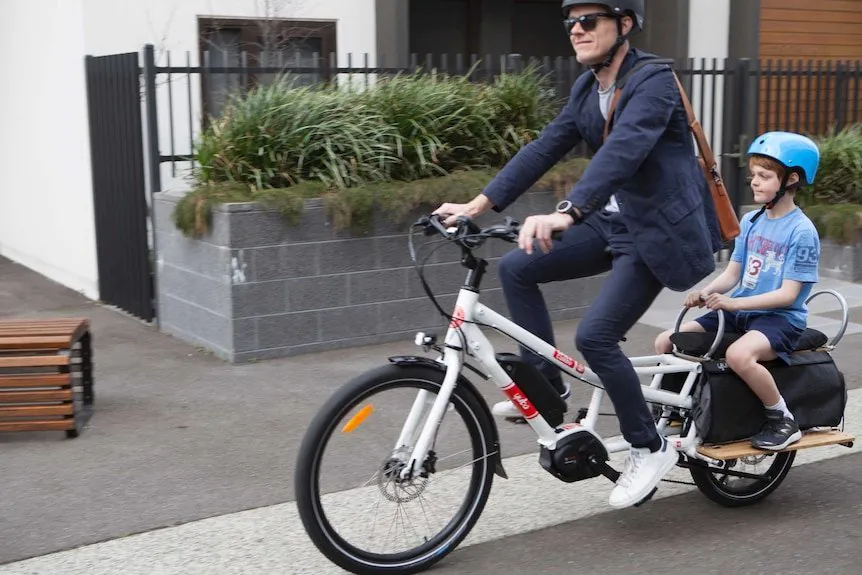
Mr Hoskisson’s weekly four-wheel drive fuel bill had jumped from $60 to $165, cementing his decision to make the switch.
While recent data has not shown any clear volume changes in Perth’s busiest vehicle and cycle routes, some retailers are reporting growing numbers of e-bike purchases.
Dennis Lightfoot, owner of Glen Parker Cycles, said his Perth store had become increasingly busy after the fuel price hike.
“I think the fuel prices have pushed some people into doing it and they were thinking about it, but we’re getting a lot of people that never even thought about getting an electric bike,” he said.
Mr Lightfoot predicts that if fuel challenges continue, his industry may witness a similar spike in bike sales as seen during the COVID pandemic.
“I think with what’s going on now, there’ll be waves of it because as people sort of realise that this is not going away,” he said.
Nationally, Bicycle Industries Australia has recognised strong growth in interest in e-bikes. The industry group’s general manager, Peter Bourke, says entry-level e-bikes, costing between $2,000 and $3,000, have become popular.
“Some people might consider that a little bit expensive,” he said.
“But if you compare that to how much it actually costs to run a car, whether you’ve got your insurance, your registration, which is about $2,000 a year, plus now we know the fuel costs … it actually very quickly turns into a saving.”
Analysis: What This Means for Australia
The surge in e-bike sales has significant implications for Australia’s transportation landscape. As commuters seek cheaper alternatives to cars, the demand for e-bikes is likely to continue to grow.
This shift has the potential to reduce Australia’s reliance on fossil fuels and decrease greenhouse gas emissions.
However, the e-bike boom also raises concerns about infrastructure. As more cyclists take to the roads, there is a need for safer and more connected bike paths.
Peter Bourke, general manager of Bicycle Industries Australia, says governments should invest in the right infrastructure to support the growth of e-bikes.
“We’ve got both the people buying the bikes, but we also need the governments to invest in the safe, connected infrastructure that allows this change to continue long after the changes in the fuel price,” he said.
Security analysts say that the e-bike boom could also have national security implications. As Australia becomes less reliant on fossil fuels, it reduces its vulnerability to global price shocks and supply chain disruptions.
However, the growth of e-bikes also raises concerns about the potential for increased traffic congestion and the need for more effective urban planning.
Law enforcement insiders warn that the e-bike boom could also lead to an increase in bike theft and safety concerns.
As more cyclists take to the roads, there is a need for increased awareness and education about bike safety and the importance of wearing protective gear.
Industry observers believe that the e-bike boom is a sign of a broader shift towards more sustainable and environmentally friendly transportation options. As Australians become more aware of the environmental and economic benefits of e-bikes, the demand for these vehicles is likely to continue to grow.
As the fuel price frenzy continues to grip the nation, one thing is clear: the e-bike boom is here to stay. And as Australians seek cheaper and more sustainable ways to get around, the cycle industry is poised to capitalise on the trend.