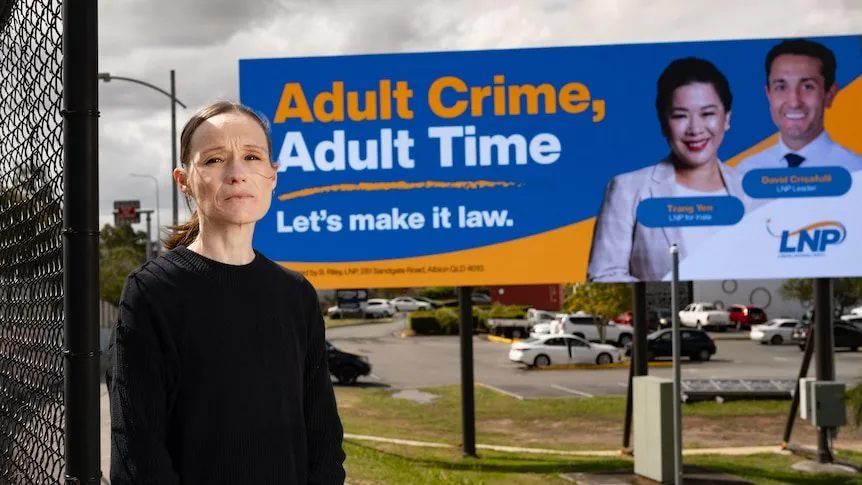
Queensland’s ‘Adult Crime, Adult Time’ Laws Set to Expand: Experts Warn of Human Rights Breaches and Lack of Evidence
- No children have been charged with aiding suicide or stupefying to commit an indictable offence in the past decade, despite the government’s claims of a youth crime crisis.
- The Queensland government is pushing to expand its adult crime, adult time laws to include 12 new offences, including choking in a domestic setting and rioting.
- Human rights advocates are calling for an independent review of the effectiveness and consequences of the widening laws, citing concerns about the impact on vulnerable youth.
- The government’s move to override the Human Rights Act has been met with criticism, with experts arguing that the data does not support the claim of an “exceptional crisis situation” in youth crime.
The Queensland state government is set to expand its flagship adult crime, adult time legislation, despite concerns from human rights advocates and a lack of evidence to support the move.
The proposed changes will see 12 new offences added to the adult crime, adult time framework, including disabling to commit an indictable offence, stupefying to commit an indictable offence, and choking in a domestic setting.
According to new figures released by the Youth Justice Department, no children have been charged with aiding suicide or stupefying to commit an indictable offence in the past decade.
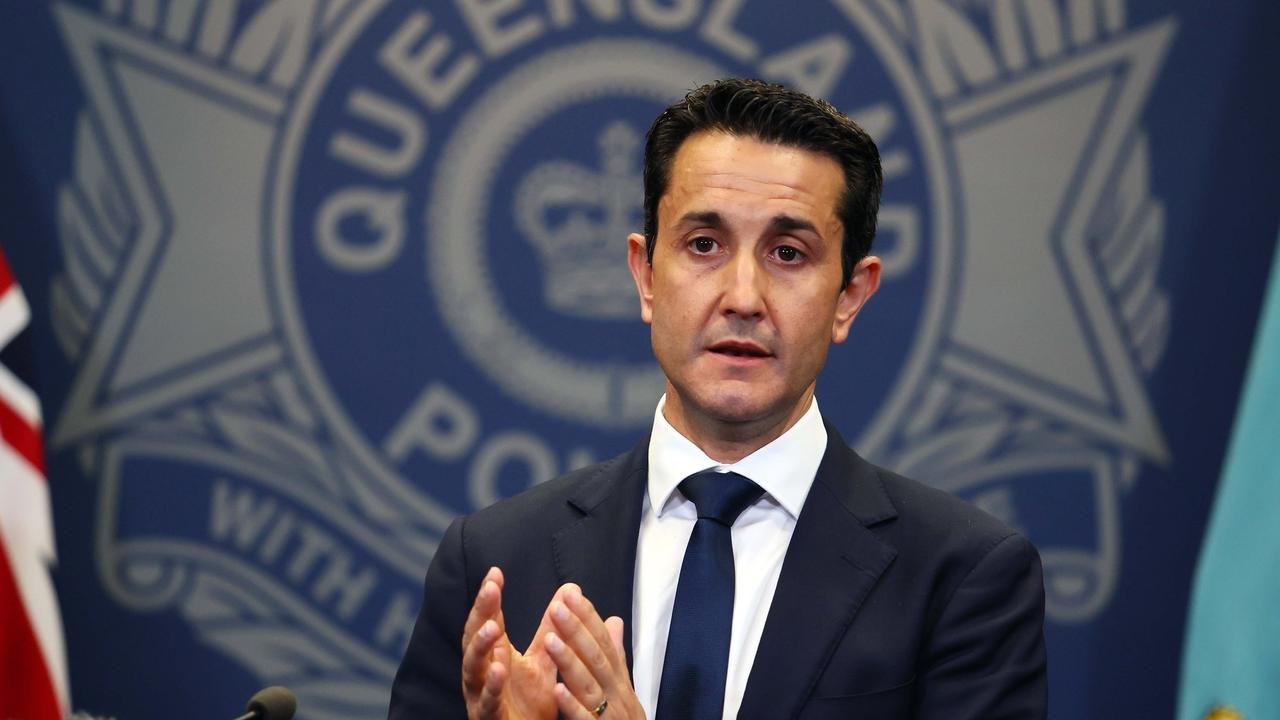
This has led to questions about the need for the expansion of the laws, with human rights advocates calling for an independent review of the effectiveness and consequences of the widening laws.
The government’s move to override the Human Rights Act has been met with criticism, with experts arguing that the data does not support the claim of an “exceptional crisis situation” in youth crime.




Youth Advocacy Centre chief executive Katherine Hayes said that the data contradicted the government’s argument, and that the Human Rights Act should not be overridden without exceptional circumstances.
The proposed expansion of the adult crime, adult time laws has also raised concerns about the impact on vulnerable youth. The laws will apply to children as young as 10, and will see them treated as adults in the justice system.
This has led to fears that the laws will disproportionately affect disadvantaged and Indigenous youth, who are already overrepresented in the justice system.
Analysis: What This Means for Australia
The expansion of the adult crime, adult time laws in Queensland has significant implications for the state’s justice system and its treatment of vulnerable youth. The move to override the Human Rights Act raises concerns about the erosion of human rights and the potential for abuse of power.
The lack of evidence to support the expansion of the laws also raises questions about the government’s motivations and the potential consequences for the community.
Security analysts say that the expansion of the laws will do little to address the root causes of youth crime, and may even exacerbate the problem.
They argue that the focus should be on providing support and resources to disadvantaged youth, rather than simply punishing them more harshly.
Law enforcement insiders warn that the laws will create a culture of fear and mistrust among young people, and may lead to increased tensions between police and the community.
Industry observers believe that the expansion of the laws will have significant economic and social consequences for the state. They argue that the laws will lead to increased costs for the justice system, as well as increased rates of recidivism and social unrest.
They also warn that the laws will have a disproportionate impact on disadvantaged communities, and may exacerbate existing social and economic inequalities.
As the Queensland government pushes to expand its adult crime, adult time laws, it is clear that the move is not without controversy.
The lack of evidence to support the expansion of the laws, combined with concerns about the impact on vulnerable youth and the erosion of human rights, raises significant questions about the government’s motivations and the potential consequences for the community.