Fuel for the Fire: Man Charged with Stealing $1.1 Million Worth of Diesel as Prices Skyrocket Amid Global Chaos
- A 48-year-old man has been charged with seven offences related to the alleged theft of $1.1 million worth of fuel in south-east Queensland.
- The brazen heist, which occurred over a 12-month period, has raised concerns about the vulnerability of unmanned fuel depots.
- Police warn that fuel theft will not be tolerated, as prices continue to surge in the wake of the Strait of Hormuz closure.
As the world grapples with the fallout of the US-Israel conflict with Iran, Australia is facing its own crisis – a fuel shortage that’s pushing prices to record highs.
But amidst the chaos, one man has been accused of exploiting the situation for his own gain.
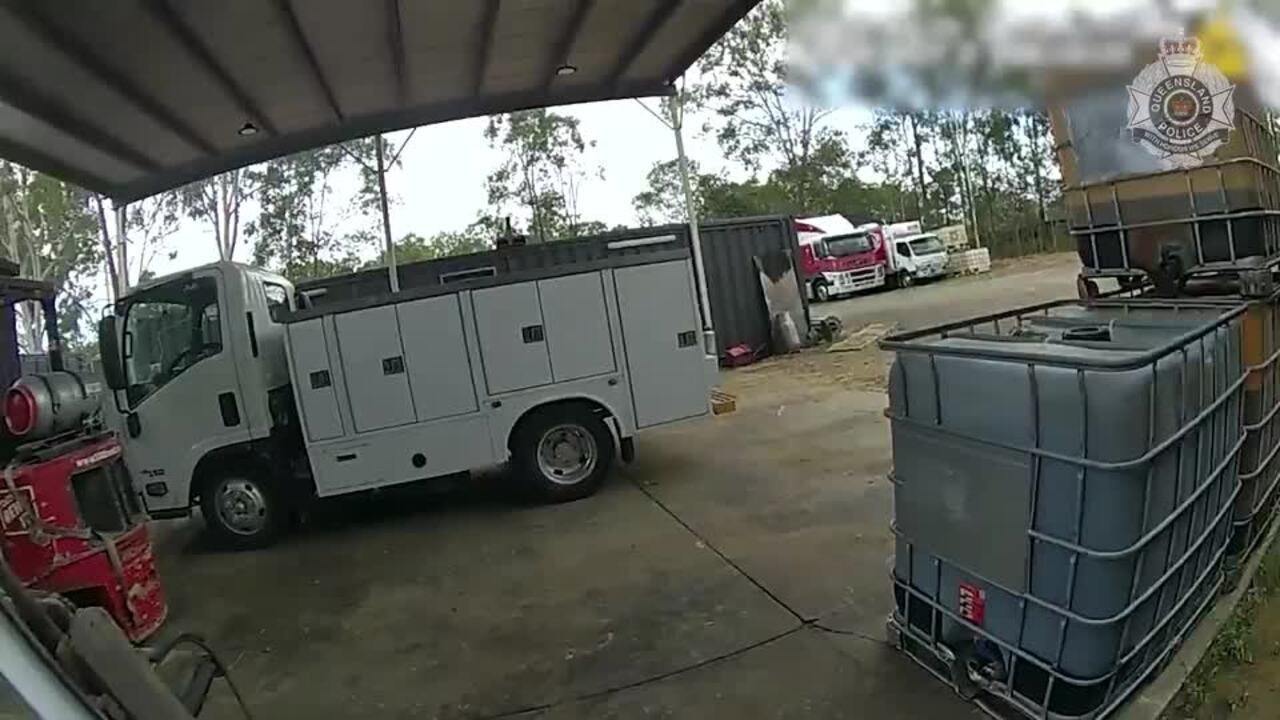
A 48-year-old man has been charged with stealing a staggering $1.1 million worth of diesel from unmanned fuel depots in south-east Queensland.
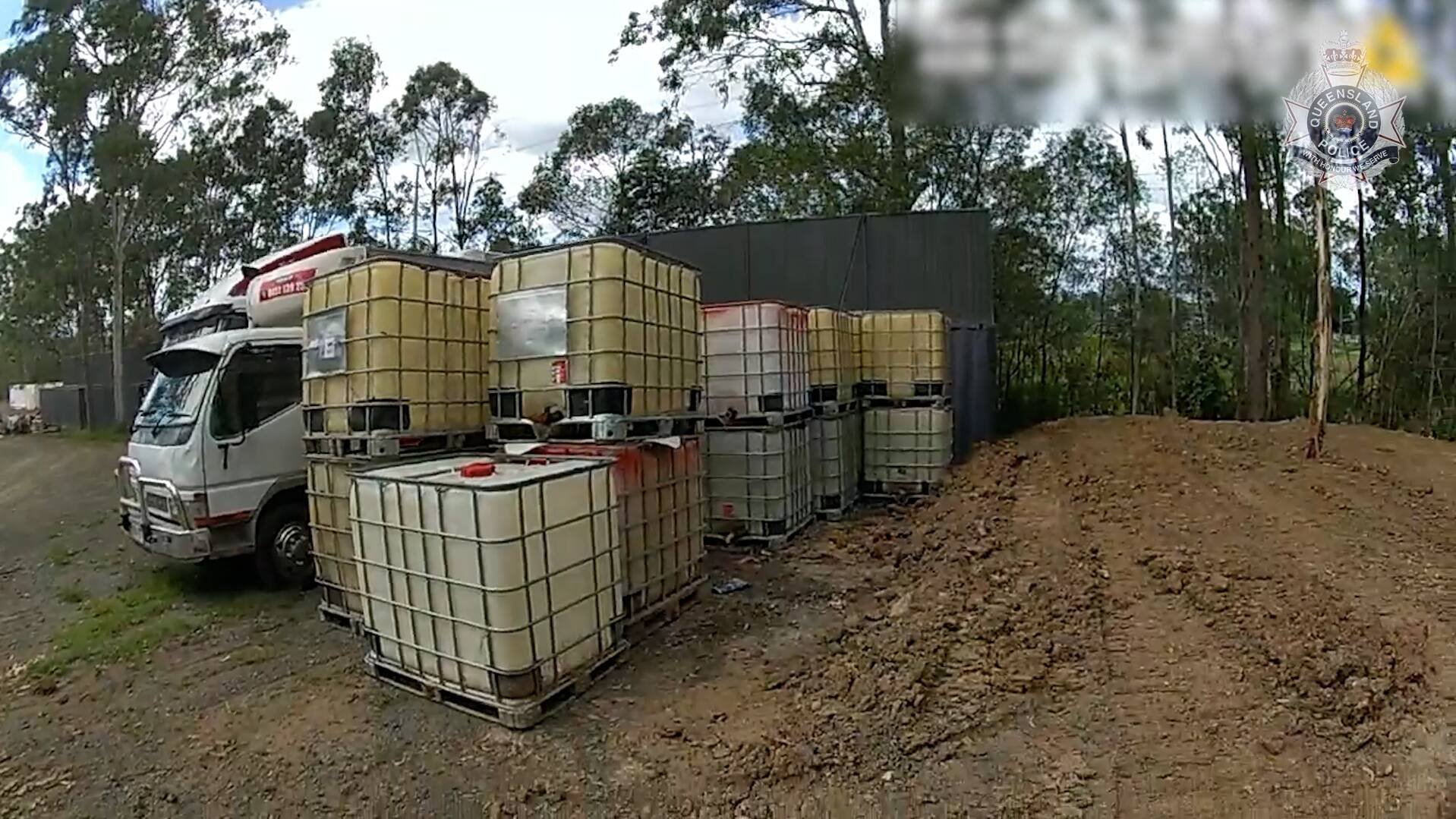
According to police, the alleged thief used stolen fuel cards to obtain the diesel from depots in Parkinson, Bundamba, and Karawatha over a 12-month period between December 2024 and December 2025.
The brazen heist has raised concerns about the vulnerability of unmanned fuel depots, which are often left unattended and unsecured.




A search of a property at Greenbank in March uncovered stolen property and a homemade taser, leading to the man’s arrest and subsequent charging with seven offences, including two counts of fraud and two of receiving tainted property.
The man has been remanded in custody and will face court again in May.
But the alleged theft is just the tip of the iceberg. As the world struggles to cope with the aftermath of the Strait of Hormuz closure, fuel prices have surged to record highs.
On the week ending April 5, the average retail price of diesel hit 312.7 cents per litre, according to the Australian Institute of Petroleum. The price hike has left many Australians reeling, and police are warning that fuel theft will not be tolerated.
“Whether it’s one tank of fuel or a large-scale diesel fraud, stealing is an offence which can land you before the court,” South Brisbane District Centenary Crime Group Acting Detective Inspector Justin Anderson said in a statement.
“We urge anyone with information about fuel theft to come forward and report it to the authorities.”
As the situation continues to unfold, security analysts say the alleged theft highlights the need for increased security measures at unmanned fuel depots.
“The fact that this individual was able to steal such a large quantity of fuel over an extended period of time raises serious concerns about the security of these depots,” one analyst said.
“It’s a wake-up call for the industry to take a closer look at their security protocols and ensure that they’re doing everything they can to prevent this type of theft.”
Law enforcement insiders warn that the alleged theft is just the beginning, and that fuel prices will continue to rise unless the industry takes action to secure its assets.
“We’re seeing a perfect storm of high fuel prices, increased demand, and lax security measures,” one insider said. “It’s a recipe for disaster, and we need to take action now to prevent further theft and protect the public.”
Analysis: What This Means for Australia
The alleged theft of $1.1 million worth of diesel has serious implications for Australia’s national security, law enforcement, and community safety. As fuel prices continue to rise, the temptation to steal will only increase, putting a strain on already stretched law enforcement resources.
The incident also highlights the need for increased security measures at unmanned fuel depots, which are often left vulnerable to theft.
The economic consequences of the alleged theft are also significant, with the loss of $1.1 million worth of fuel having a ripple effect throughout the economy.
As fuel prices continue to rise, businesses and individuals will be forced to absorb the costs, leading to increased prices and reduced economic activity.
Industry observers believe that the alleged theft is a wake-up call for the industry to take a closer look at its security protocols and ensure that they’re doing everything they can to prevent this type of theft.
“The industry needs to take a proactive approach to security, rather than just reacting to incidents like this,” one observer said. “It’s a matter of when, not if, the next theft occurs, and we need to be prepared.”