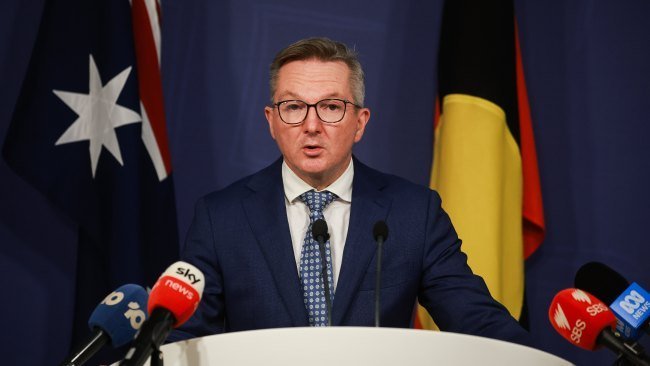
Australia’s Energy Crisis: Chris Bowen’s ‘Myopic Green Dream’ to Send Country into Bankruptcy, Warns Veteran Journalist
- Energy Minister Chris Bowen’s push for renewables has left Australia vulnerable to an energy crisis, despite being one of the world’s most energy-rich nations.
- Veteran journalist Liam Bartlett slams Bowen’s “myopic green dream” as a recipe for disaster, warning it will “send the country into bankruptcy.”
- Experts say Australia’s reliance on diesel and failure to invest in renewable energy has left it exposed to global market fluctuations and energy insecurity.
The energy crisis gripping Australia has sparked a heated debate about the country’s reliance on renewable energy and the impact of the US-Israel war on Iran.
Veteran journalist Liam Bartlett has taken aim at Energy Minister Chris Bowen, accusing him of having a “myopic green dream” that is putting the country’s energy security at risk.
Bartlett’s scathing critique comes as Australia struggles to deliver fuel to suburban bowsers, despite being one of the world’s most energy-rich nations. The US-Israel war on Iran has led to a blockade of the Strait of Hormuz, exacerbating the crisis.
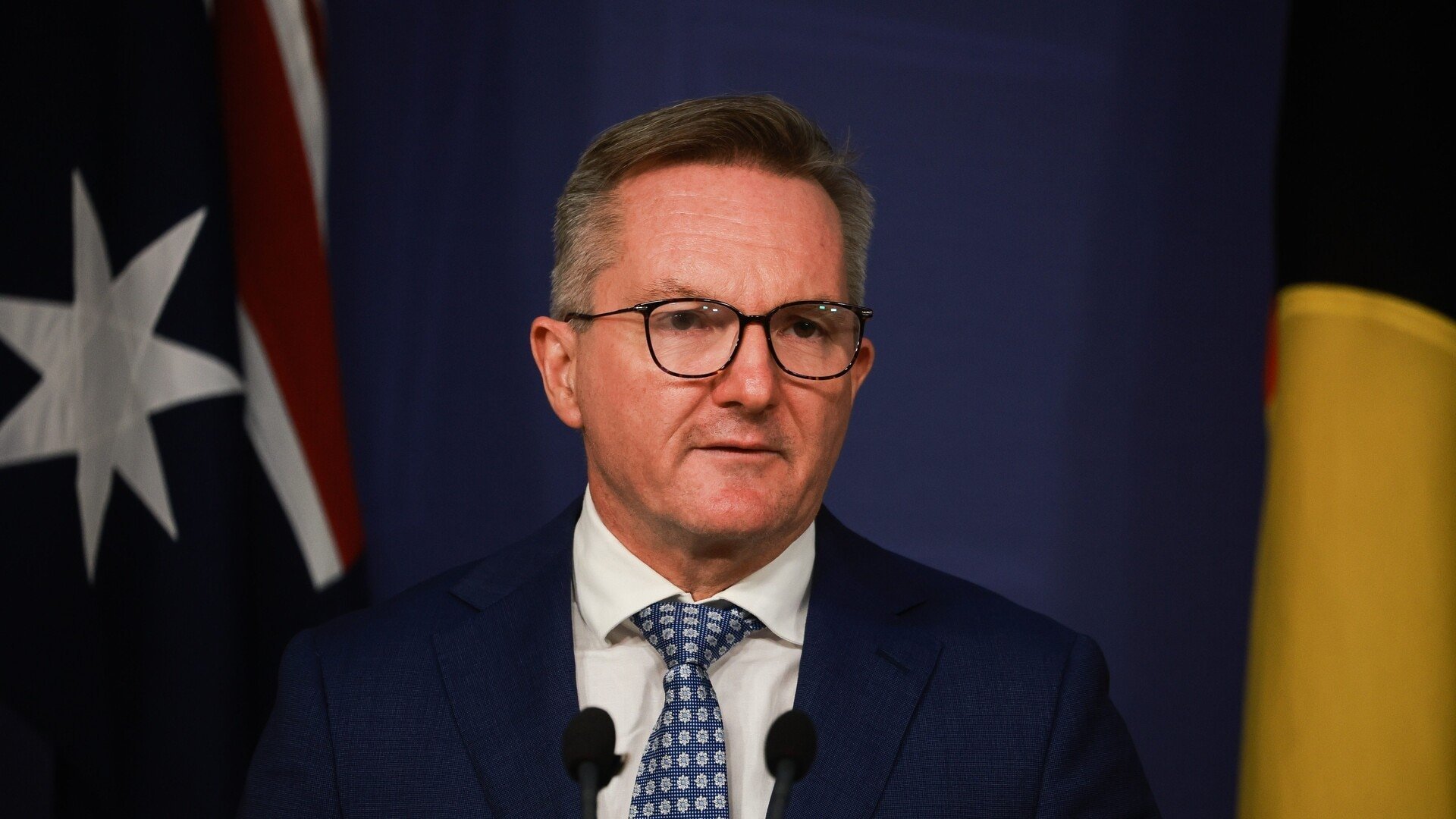
Bartlett argues that Bowen’s zealotry for renewables has left Australia exposed and vulnerable to global market fluctuations.
But how did Australia, a country with vast deposits of coal, gas, and oil, find itself in this predicament? The answer lies in the country’s energy policy over the past two decades.

Despite having the resources to be self-sufficient, Australia has prioritized renewables over fossil fuels, with disastrous consequences.
According to Bartlett, the government’s approach has been driven by ideology rather than pragmatism. “The mad mullahs of the Iranian regime would be hard-pressed to be more single-minded and lacking in balance,” he writes.
The result is a lack of transparency and accountability, with the human cost of creating a renewable energy grid ignored.
Analysis: What This Means for Australia
The energy crisis has significant implications for Australia’s national security, law enforcement, and community impact. The country’s reliance on diesel and failure to invest in renewable energy has left it exposed to global market fluctuations and energy insecurity.
This has serious consequences for the economy, with higher fuel costs, fertiliser and food prices, and interest rates all on the horizon.
Security analysts say that Australia’s energy policy has been driven by short-term thinking, rather than a long-term strategy. “The government’s decision to prioritize renewables over fossil fuels has left the country vulnerable to energy insecurity,” says one expert.
“This has serious implications for national security and the economy.”
Law enforcement insiders warn that the energy crisis could also have a significant impact on community safety. “The lack of fuel and energy security could lead to civil unrest and social instability,” says one source.
“This is a ticking time bomb that needs to be addressed urgently.”
Industry observers believe that Australia needs to take a more balanced approach to energy policy, one that takes into account the country’s unique resources and needs.
“We need to stop relying on ideology and start relying on facts,” says one expert. “We need to invest in renewable energy, but we also need to ensure that we have a secure and reliable energy supply.”
The energy crisis has also highlighted the need for greater transparency and accountability in government. “The lack of transparency and accountability in the government’s energy policy has led to this crisis,” says Bartlett.
“We need to hold our politicians to account for their decisions and ensure that they are acting in the best interests of the country.”