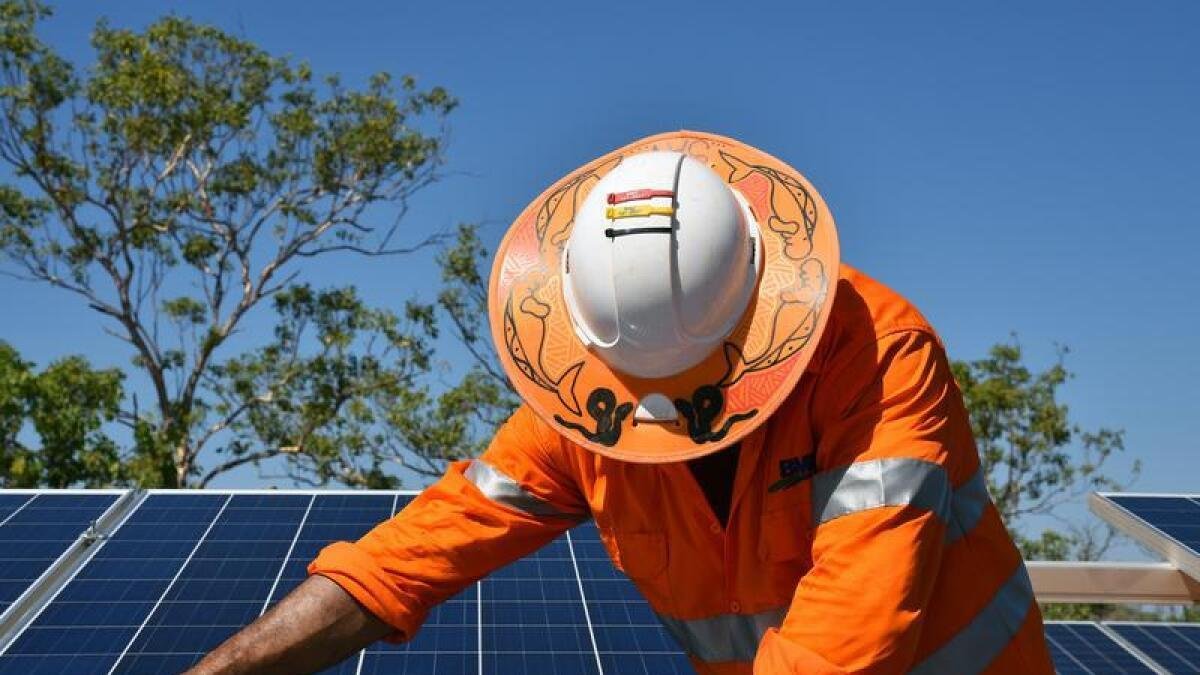
Revolutionary Indigenous-Led Solar Farms Set to Slash Power Bills by 50% in Remote Northern Territory Communities
- Two groundbreaking solar farms and microgrids in Borroloola and Santa Teresa have secured $11 million in federal funding, paving the way for energy security and cost-of-living relief in remote Indigenous communities.
- The Borroloola project, developed by Indigenous corporation Original Power, promises to reduce power bills by 50% and provide 80% of the community’s electricity needs, alleviating reliance on expensive diesel.
- The innovative projects are the first wholly-owned Indigenous ventures of their kind to receive federal funding, inspiring hope for a replicable model to tackle energy insecurity and high living costs in other remote communities.
In a significant breakthrough for remote Indigenous communities, two solar farms and microgrids in the Northern Territory have been awarded a combined $11 million in federal funding, paving the way for a revolutionary new approach to energy security and cost-of-living relief.
The projects, located in Borroloola and Santa Teresa, are the first wholly-owned Indigenous ventures of their kind to receive federal backing, and promise to slash power bills by up to 50% in these remote communities.
The Borroloola project, developed by Indigenous corporation Original Power in partnership with local company Ngardara, has secured $8 million in funding and is expected to provide 80% of the community’s electricity needs.
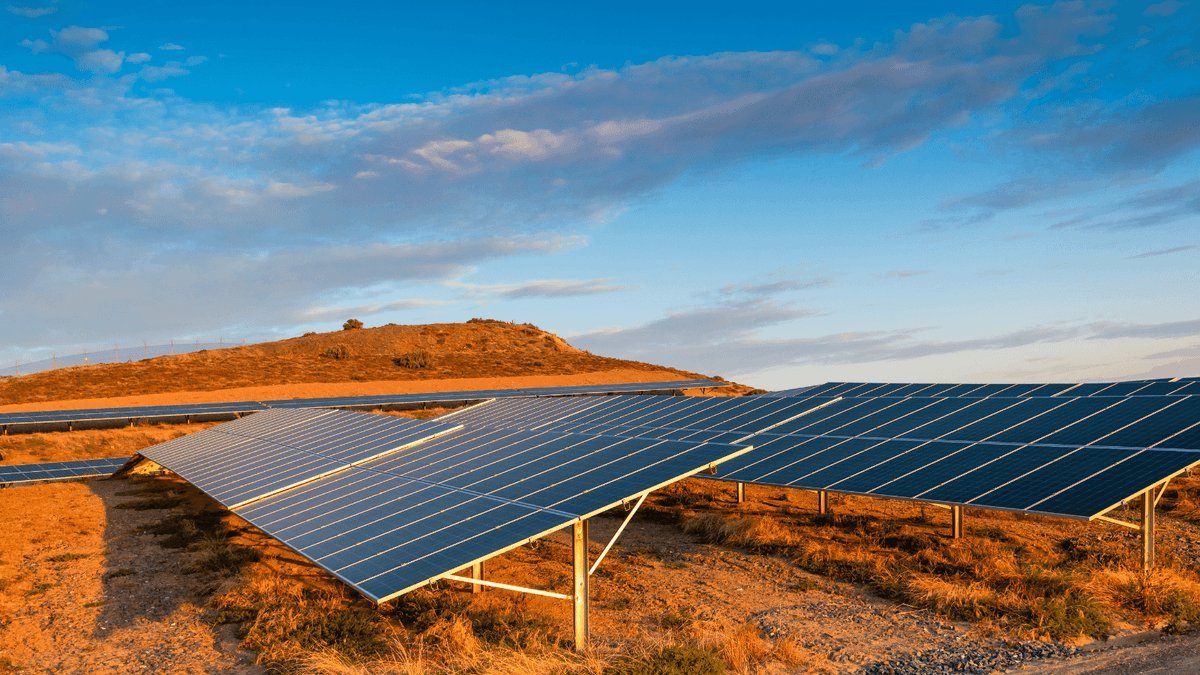
According to project developer and community leader Scott McDinny, the solar farm and microgrid will not only reduce the community’s reliance on expensive diesel but also return all profits to the community, resulting in a significant decrease in power bills.
“The solar system will reduce the cost of power, so everyone will have more money to go towards food,” McDinny explained.



The need for innovative energy solutions in remote Indigenous communities cannot be overstated.
Borroloola Garawa community leader Gadrian Hoosan highlighted the struggles faced by his community, where 750 residents are struggling to afford power cards to keep their electricity on, as the global fuel crisis pushes diesel and food prices higher.
“Everybody in the community is excited about it,” Hoosan said of the project. “It means a lot because our diesel costs are too high, and our power [costs] are too high.”
The Borroloola project has been years in the making, with Original Power co-director Madie Sturgess citing the biggest hurdle as securing permission to connect to the Northern Territory government-owned grid.
However, the company’s collaborative approach with utilities has paid off, and the project is now set to begin construction early next year.
As Sturgess noted, “Anyone who is trying to put up a renewable project in this country knows how hard it is, challenging the utilities to engage with the energy transition.”
The Santa Teresa project, which received $3 million in federal funding, is also expected to reduce electricity prices in the community. Community leader Matthew Cavanagh emphasized the need for affordable energy, saying, “We’ve got a problem with the power…
People get frustrated and upset asking, ‘How come the power cards run out real quick?'”
Analysis: What This Means for Australia
The success of these Indigenous-led solar farms and microgrids has significant implications for Australia’s energy security and cost-of-living challenges.
Security analysts say that the projects demonstrate a replicable model for remote communities to take control of their energy needs, reducing reliance on expensive diesel and mitigating the impacts of global fuel shortages.
Law enforcement insiders warn that the country’s energy security is increasingly vulnerable to disruptions, making innovative solutions like these critical to national resilience.
Industry observers believe that the projects will not only improve energy security but also have a positive impact on the local economy. By returning profits to the community, the projects will inject much-needed funds into local businesses and stimulate economic growth.
Furthermore, the projects will provide a model for other Indigenous communities to follow, empowering them to take control of their energy needs and improve their overall quality of life.
As Indigenous Australians Minister Malarndirri McCarthy noted, “We see what’s happening around the world at the moment in terms of energy, and what we’re seeing here today is two communities really stepping up and saying ‘we want to have a future in this space’, and our government is supporting that.” The success of these projects will undoubtedly inspire other communities to follow suit, paving the way for a more sustainable and equitable energy future for all Australians.