Shock and Outrage as Queensland Premier Snubs Indigenous Australians on Anzac Day, Igniting Fierce Debate Over Welcome to Country
- Queensland Premier David Crisafulli sparks controversy by attending Anzac Day ceremony without Acknowledgement of Country
- Heckling and booing erupts during Welcome to Country at services in Melbourne, Sydney, and Perth
- Indigenous leaders and politicians condemn the premier’s actions as “disrespectful” and “un-Australian”
- Federal Opposition Leader Angus Taylor fuels the debate, calling for less use of Welcome to Country
The Queensland Premier, David Crisafulli, has ignited a fierce debate over the Welcome to Country protocol after attending an Anzac Day ceremony in Townsville without acknowledging the traditional landholders, the Bindal and Wulgurukaba peoples.
The move has sparked widespread outrage and criticism from Indigenous leaders and politicians, who have labelled it “disrespectful” and “un-Australian”.
The controversy unfolded as Anzac Day services across the country were marred by heckling and booing during the Welcome to Country segment. In Melbourne, Sydney, and Perth, attendees disrupted the proceedings, forcing officials to pause the ceremonies.
The disturbances have raised concerns about the growing divide between Indigenous and non-Indigenous Australians.
The Townsville RSL sub-branch, which organised the ceremony, claimed responsibility for the decision to omit the Acknowledgement of Country, citing a desire to focus on the traditional Anzac Day proceedings.



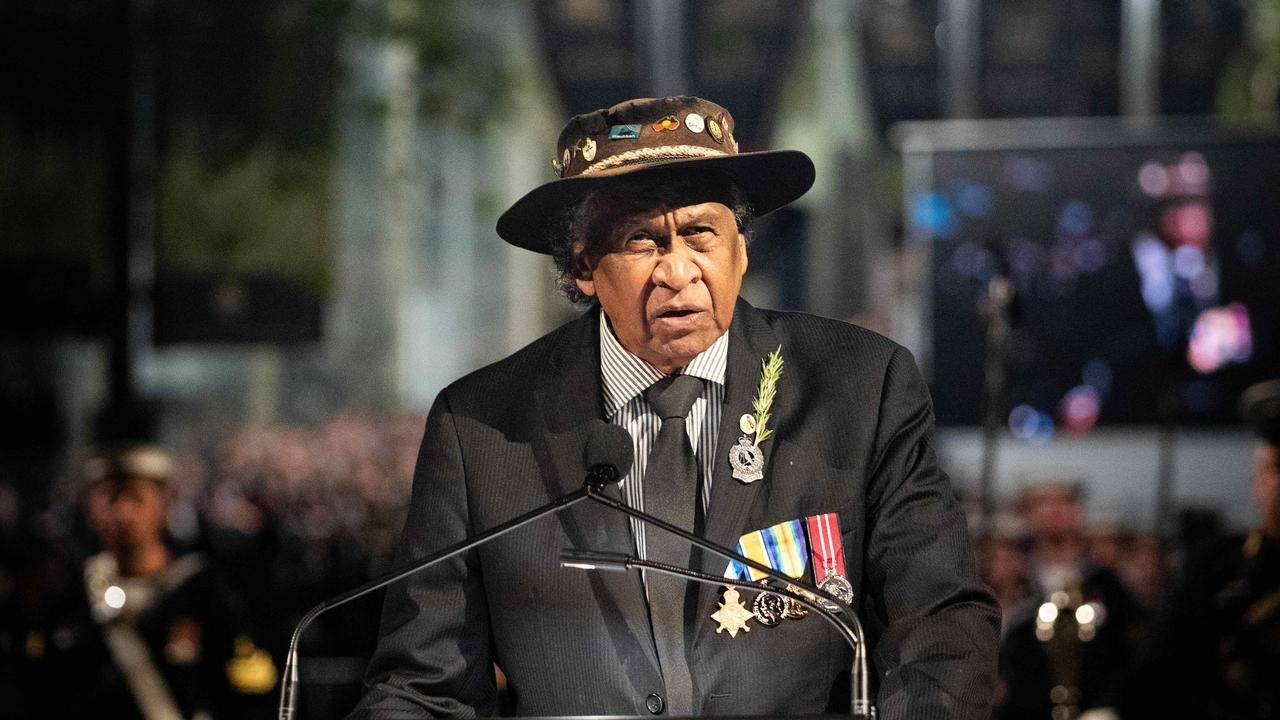
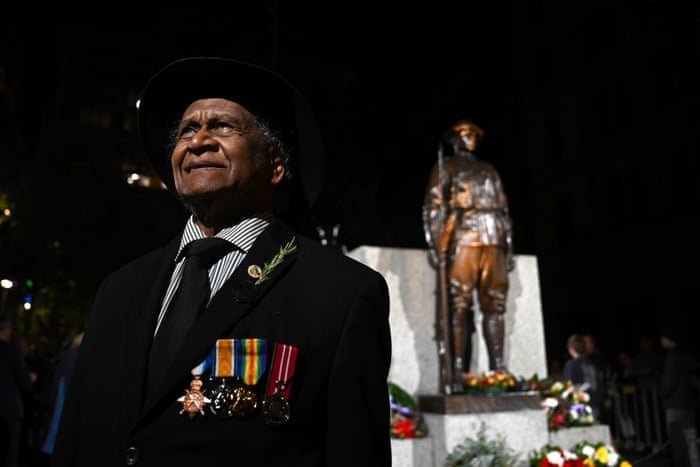
However, this decision has been met with fierce criticism from Indigenous leaders, who argue that the omission is a slap in the face to the thousands of Aboriginal and Torres Strait Islander servicemen who fought in World War I.
Aboriginal and Torres Strait Islander Social Justice Commissioner Katie Kiss expressed her disappointment and frustration with the premier’s actions, stating, “I think having the premier attend those events and not give recognition to our black diggers, I think, is very disrespectful.” She also pointed out that Palm Island, a major reserve in the Queensland jurisdiction, held a ceremony to pay respect to all those who served in the wars, highlighting the importance of acknowledging Indigenous contributions.
Opposition Leader Steven Miles chimed in, stating that Anzac Day programs were the responsibility of the RSL in each community, but emphasized the importance of respecting all who served, including First Nations Australians.
Meanwhile, Federal Opposition Leader Angus Taylor waded into the debate, calling for less use of Welcome to Country, citing concerns that it has become “overused” and “devalued” over time.
The controversy has reignited the debate over the role of Welcome to Country in Australian society. While some argue that it is an essential part of reconciliation and recognition, others see it as a tokenistic gesture that has lost its meaning.
As the nation grapples with its complex history and Indigenous relations, the Queensland Premier’s actions have sparked a crucial conversation about the importance of acknowledging and respecting the traditional owners of the land.
Analysis: What This Means for Australia
The controversy surrounding the Welcome to Country protocol on Anzac Day has significant implications for Australia’s national identity and reconciliation efforts.
The fact that the Queensland Premier chose to attend a ceremony without acknowledging the traditional landholders sends a worrying message about the government’s commitment to Indigenous recognition and respect.
Furthermore, the heckling and booing at services across the country highlight the growing divide between Indigenous and non-Indigenous Australians.
Security analysts warn that the controversy could have far-reaching consequences for community cohesion and social harmony.
“The fact that some Australians feel comfortable disrupting Welcome to Country ceremonies is a worrying sign of the growing tensions between different groups,” one analyst said.
“It’s essential that we address these issues and find ways to promote greater understanding and respect.”
Law enforcement insiders also express concerns about the potential for further disruptions and protests, particularly during sensitive events like Anzac Day.
“We need to be vigilant and ensure that we’re doing everything we can to prevent these kinds of incidents from happening in the future,” one insider warned.
As the debate continues to rage, one thing is clear: the Welcome to Country protocol has become a lightning rod for deeper issues surrounding Indigenous recognition and respect.
It’s up to Australian leaders to find a way to address these concerns and promote a more inclusive and respectful national identity.
Industry observers believe that the controversy could have economic consequences, particularly in the tourism sector. “If Australia is seen as a country that doesn’t respect its Indigenous heritage, it could deter visitors and damage our reputation abroad,” one observer noted.
Ultimately, the Welcome to Country controversy serves as a stark reminder of the complex and often fraught nature of Australia’s relationship with its Indigenous people. As the nation continues to grapple with its past and present, it’s essential that we prioritize respect, recognition, and reconciliation.