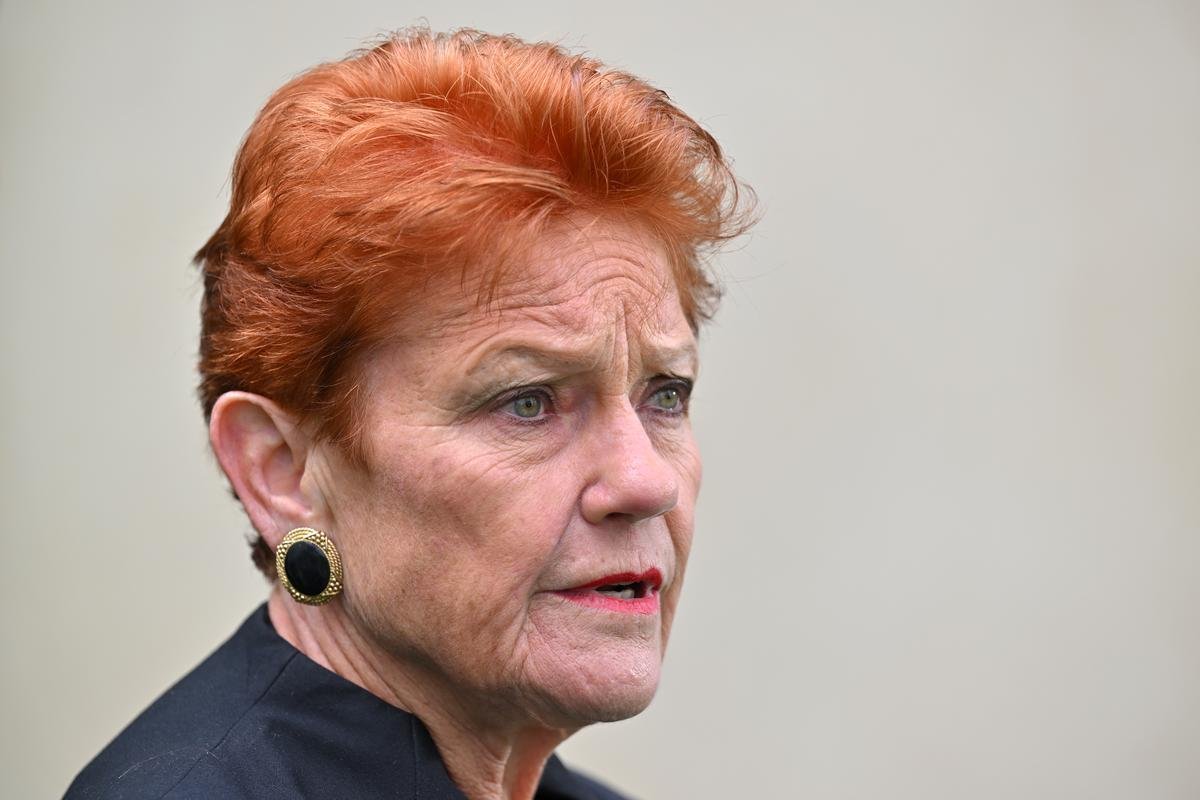
Pauline Hanson Vows to ‘Bring Back Freedom of Speech’ as She Unveils Plan to Repeal Hate Speech Laws Amid Growing Support for One Nation
- One Nation leader Pauline Hanson has vowed to repeal hate speech laws if her party secures the numbers in Parliament, sparking a fierce debate over free speech and national identity.
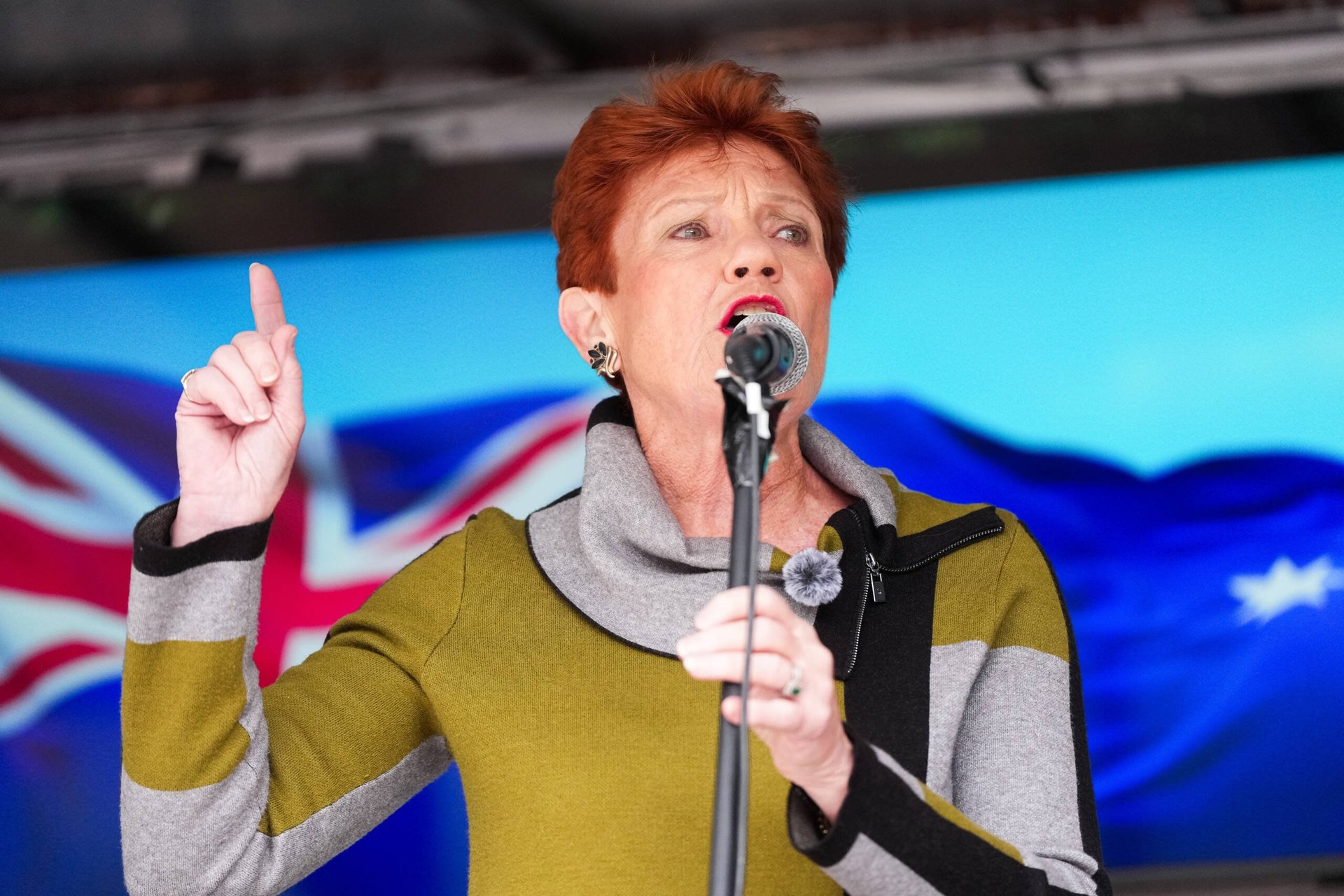
- Hanson’s bold plan was revealed at a rally on the lawns of Parliament House in Canberra, where she told supporters “we have to bring our freedom of speech back”.
- The laws, introduced earlier this year following the Bondi terror attack, aim to crack down on hate speech and extremist behaviour, but Hanson argues they threaten free speech and were rushed through Parliament.
- As One Nation records a surge in polling and strong results at the South Australian election, Hanson’s message of prioritising domestic issues over international conflicts has resonated with some Australians.
The rally, organised by March for Australia, was promoted as a show of support for Australia Day and national identity, with organisers calling on attendees to “stand together” and defend the country’s traditions.
Hanson’s speech was met with a mixture of applause and heckling, as she argued that Australians have a right to have a voice and an opinion, and that the government should not suppress them.
The laws in question were introduced in response to the Bondi terror attack, and make it an offence to incite hatred or support banned hate groups.
However, Hanson has long argued that they are an overreach of government power and threaten free speech. Her vow to repeal them has sparked a fierce debate over the balance between free speech and national security.
One Nation’s recent polling surge and strong results at the South Australian election have given Hanson a boost, with the party outpolling the Liberals on primary vote and winning multiple lower house seats.
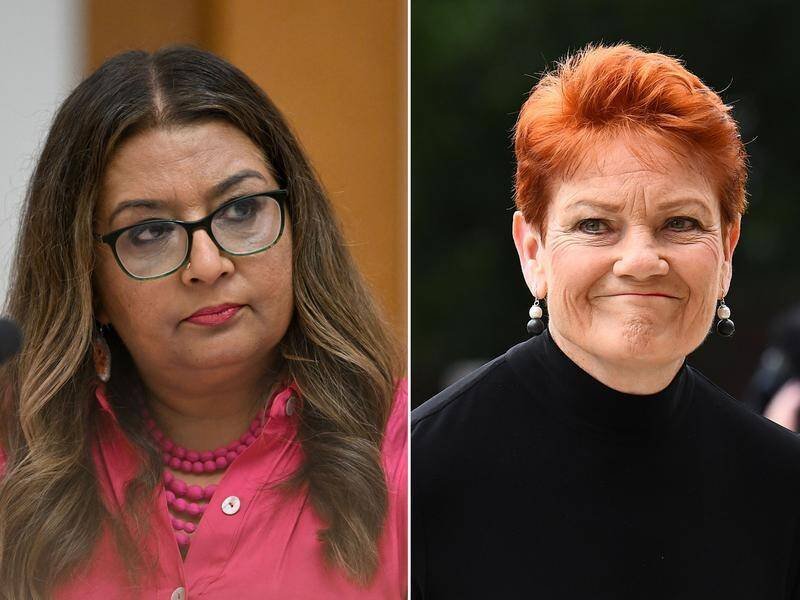



The defection of Barnaby Joyce to One Nation has also been seen as a significant coup for the party.
As Hanson looks to capitalise on her party’s growing support, she has reiterated her long-standing message of prioritising domestic issues over international conflicts. “My job as a member of parliament is not for Palestine, not for Gaza, not for Israel, not for Britain,” she said.
“Clean up our own backyard first and foremost.”
Analysis: What This Means for Australia
The debate over hate speech laws and free speech is a complex one, with proponents arguing that the laws are necessary to protect vulnerable communities and prevent the spread of extremist ideologies.
However, critics like Hanson argue that the laws are an overreach of government power and threaten the fundamental right to free speech.
Security analysts say that the laws are a necessary tool in the fight against terrorism and extremism, but acknowledge that there are legitimate concerns about their impact on free speech.
“The laws are designed to prevent the spread of hate speech and extremist ideologies, but they must be carefully calibrated to avoid infringing on the rights of law-abiding citizens,” said one expert.
Law enforcement insiders warn that the repeal of the laws would create a power vacuum that could be exploited by extremist groups. “The laws are an important tool in our arsenal against terrorism and extremism,” said one source.
“Without them, we would be leaving ourselves vulnerable to the spread of hate speech and extremist ideologies.”
Industry observers believe that Hanson’s vow to repeal the laws is a calculated move to appeal to her party’s base and differentiate herself from other politicians.
“Hanson is a master of playing to her audience and tapping into their concerns,” said one observer. “Her vow to repeal the laws is a classic example of this strategy in action.”
As the debate over hate speech laws and free speech continues, one thing is clear: the issue is complex and multifaceted, and there are no easy answers.
As Australia grapples with the challenges of terrorism and extremism, it must also navigate the delicate balance between free speech and national security.
hate speech lawsfree speechnational securityAustralian Federal Police