
‘A New Era for Housing’: Albanese Government Set to Unveil Sweeping Tax Reforms in May Budget to Tackle Australia’s Housing Crisis
- The Albanese Government is poised to introduce a major overhaul of Australia’s tax system, targeting negative gearing and capital gains tax reforms to boost housing supply and affordability.
- Leaked plans reveal a focus on encouraging investors to build new homes, rather than snapping up existing properties, in a bid to rein in skyrocketing prices and help first-home buyers.
- The proposed reforms have sparked warnings of a potential 30 per cent hike in housing prices, with critics claiming the changes will punish ‘mum and dad’ investors and drive up the cost of living.
- But supporters argue the reforms are long overdue, with Australia’s housing market in crisis and younger generations struggling to get a foot on the property ladder.
The Albanese Government is on the cusp of unveiling a sweeping overhaul of Australia’s tax system, with a focus on tackling the nation’s housing crisis.
The proposed reforms, set to be announced in the May budget, will target negative gearing and capital gains tax in a bid to boost housing supply and affordability.
The leaked plans have sparked a heated debate, with warnings of a potential 30 per cent hike in housing prices and claims that the changes will punish ‘mum and dad’ investors.
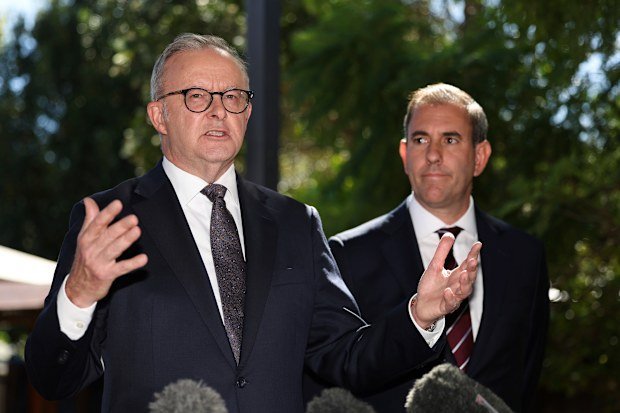
At the heart of the reforms is a desire to encourage investors to build new homes, rather than snapping up existing properties.
The Labor Party has long argued that the current system, which allows investors to claim tax concessions on rental properties and then sell for a significant profit, is driving up prices and pricing younger families out of the market.




The proposed changes aim to level the playing field, giving first-home buyers a fairer chance of securing a property.
The reforms are not a new concept, with Labor leader Bill Shorten first proposing changes to negative gearing and capital gains tax in 2016. However, the plans were shelved after the party’s election loss.
Now, with the housing market in crisis and younger generations struggling to get a foot on the property ladder, the Albanese Government is revisiting the idea.
The proposed changes are expected to be more nuanced, with a focus on encouraging new builds and preserving incentives for investors to put their money into new properties.
So, what exactly do the reforms entail?
The details are still sketchy, but it’s understood that the government is considering a more simple approach, potentially returning to the old regime under Paul Keating.
This would see the 50 per cent capital gains tax discount replaced with a less generous discount based on the cumulative increase in inflation over the life of the asset.
A hybrid model that encourages new builds could also be on the agenda.
Analysis: What This Means for Australia
The proposed reforms have significant implications for Australia’s housing market and economy. On one hand, they could help boost housing supply and affordability, making it easier for first-home buyers to secure a property.
On the other hand, they could drive up prices and punish ‘mum and dad’ investors, who could see their retirement savings slashed. The reforms also raise questions about intergenerational equity, with younger generations struggling to get a foot on the property ladder.
Security analysts say the reforms could have a major impact on Australia’s economy, particularly if they lead to a surge in housing prices.
“The proposed changes could see a significant shift in the housing market, with investors potentially selling off existing properties and switching to new builds,” one analyst said.
“This could lead to a short-term spike in prices, but ultimately, it could help boost housing supply and affordability in the long term.”
Law enforcement insiders warn that the reforms could also have implications for Australia’s tax system, potentially creating new loopholes and complexities. “The proposed changes are a step in the right direction, but they need to be carefully considered to avoid unintended consequences,” one insider said.
“The government needs to ensure that the reforms are fair, equitable, and don’t create new problems down the track.”
Industry observers believe the reforms could be a game-changer for Australia’s housing market, but they also raise concerns about the potential impact on existing investors.
“The proposed changes could see a significant shift in the housing market, with investors potentially selling off existing properties and switching to new builds,” one observer said.
“This could lead to a short-term spike in prices, but ultimately, it could help boost housing supply and affordability in the long term.”
As the Albanese Government prepares to unveil its tax reforms, one thing is clear: the stakes are high.
The proposed changes have the potential to reshape Australia’s housing market and economy, but they also raise significant questions about intergenerational equity and the impact on existing investors.
Only time will tell if the reforms will achieve their intended goal of boosting housing supply and affordability, but one thing is certain – the debate is far from over.