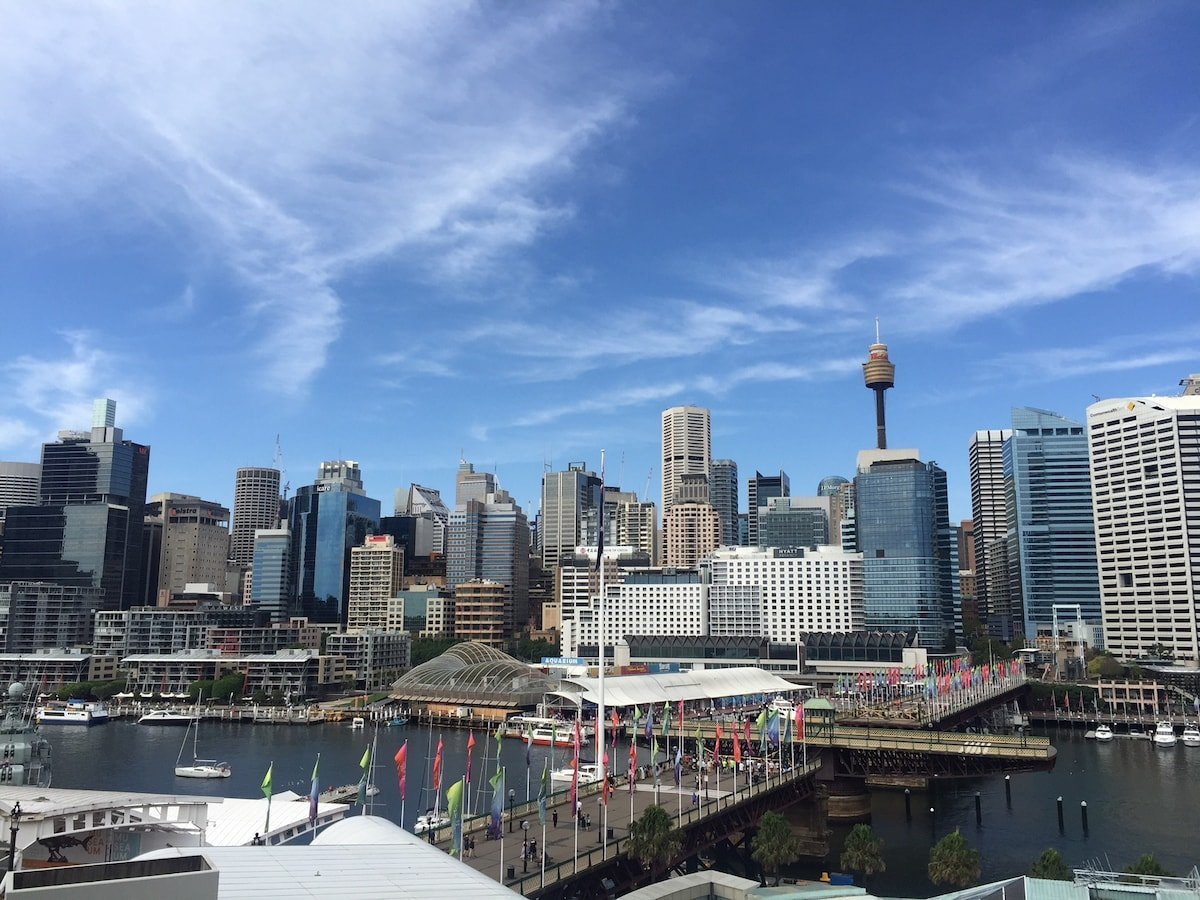
Sydney’s Short-Term Rental War: City Council Votes to Investigate Banning Airbnb and Stayz in Desperate Bid to Tackle Housing Crisis
- Sydney’s housing crisis has led to a war on short-term rentals, with the City of Sydney voting to investigate banning Airbnb and Stayz in specific suburbs or when long-term rental vacancy rates are too low.
- The move is seen as a desperate bid to free up rental housing supply, with some councillors arguing that the current 180-day cap on short-term rentals is not working.
- The proposal has sparked a heated debate, with industry insiders warning that bans could jeopardise the value that short-term rentals bring to local communities and their economies.
- As the city struggles to identify short-term rentals from primary residences, councillors are calling for the state government to share data on short-term rentals with local councils.
The City of Sydney has voted to investigate implementing bans on short-term rental accommodation in specific suburbs or when long-term rental vacancy rates are too low, in a desperate bid to tackle the city’s housing crisis.
The move is seen as a significant escalation in the war on short-term rentals, with some councillors arguing that the current 180-day cap on short-term rentals is not doing enough to free up rental housing supply.
Greens Councillor Sylvie Ellsmore, who led the proposal, said that the current cap was not working and that the council needed to take a more drastic approach.
“It’s become clear that a cap may not work,” Cr Ellsmore told 702 ABC Sydney.
“We need to start thinking about the difference between whether someone’s trying to Airbnb the house, the home that they live in, or as an investment property.” Cr Ellsmore also expressed concerns about the growing number of investors owning multiple properties and running them as a business.

The proposal has sparked a heated debate, with industry insiders warning that bans could jeopardise the value that short-term rentals bring to local communities and their economies.
Stayz corporate affairs director Eacham Curry said that measures such as bans, caps and guest limits did not address “current housing concerns” and could deter the economic benefits that short-term rentals bring to communities.
“Stayz supports fit-for-purpose regulation of the STRA sector, administered consistently at a state or territory level,” Mr Curry said.
However, Deputy Mayor Jess Miller said that short-term rentals were “out of control” and that the council struggled to identify a short-term rental from a primary residence.
Cr Miller called for the state government to share data on short-term rentals with local councils, similar to what is done in Western Australia.
“I would love to have that replicated in New South Wales so that individual councils can access a robust, verified, reliable database so that we can make decisions that are appropriate to our LGA,” Cr Miller said.
NSW Premier Chris Minns said that he had not seen the detail of the proposal but wanted to “understand the concurrent impacts on the tourism sector”.
Business NSW executive director Paul Nicolau warned that banning short-term accommodation would damage the city’s tourism economy. “Sydney relies heavily on short-term rentals to deal with the influx of tourists we get coming in every year,” Mr Nicolau said.
Security analysts say that the ban on short-term rentals could have unintended consequences, such as pushing the industry underground and making it harder to regulate.
“The ban could lead to a black market in short-term rentals, which would be difficult to track and regulate,” said one analyst.
Analysis: What This Means for Australia
The proposal to ban short-term rentals in Sydney has significant implications for the city’s housing market and the broader economy.
If implemented, the ban could lead to a reduction in the number of short-term rentals available, which could in turn lead to an increase in long-term rentals.
However, it could also lead to a shortage of accommodation for tourists, which could have a negative impact on the city’s tourism industry.
Law enforcement insiders warn that the ban could also lead to an increase in unregulated short-term rentals, which could make it harder to track and regulate the industry.
“The ban could lead to a black market in short-term rentals, which would be difficult to track and regulate,” said one insider.
Industry observers believe that the proposal is a symptom of a broader problem – the lack of affordable housing in Sydney. “The ban on short-term rentals is a Band-Aid solution to a much deeper problem,” said one observer.
“The real issue is the lack of affordable housing in Sydney, and the state government needs to address this issue urgently.”
Ultimately, the proposal to ban short-term rentals in Sydney is a complex issue with no easy solution. While it may provide some relief to the city’s housing market, it could also have unintended consequences for the tourism industry and the broader economy.
As one industry insider noted, “the devil is in the details, and the council needs to carefully consider the implications of the ban before implementing it.”
housing crisis short-term rentals Australian Bureau of Statistics