Trump’s Iran War Drags On: Australia Braces for Fuel Shortages as Middle East Conflict Escalates
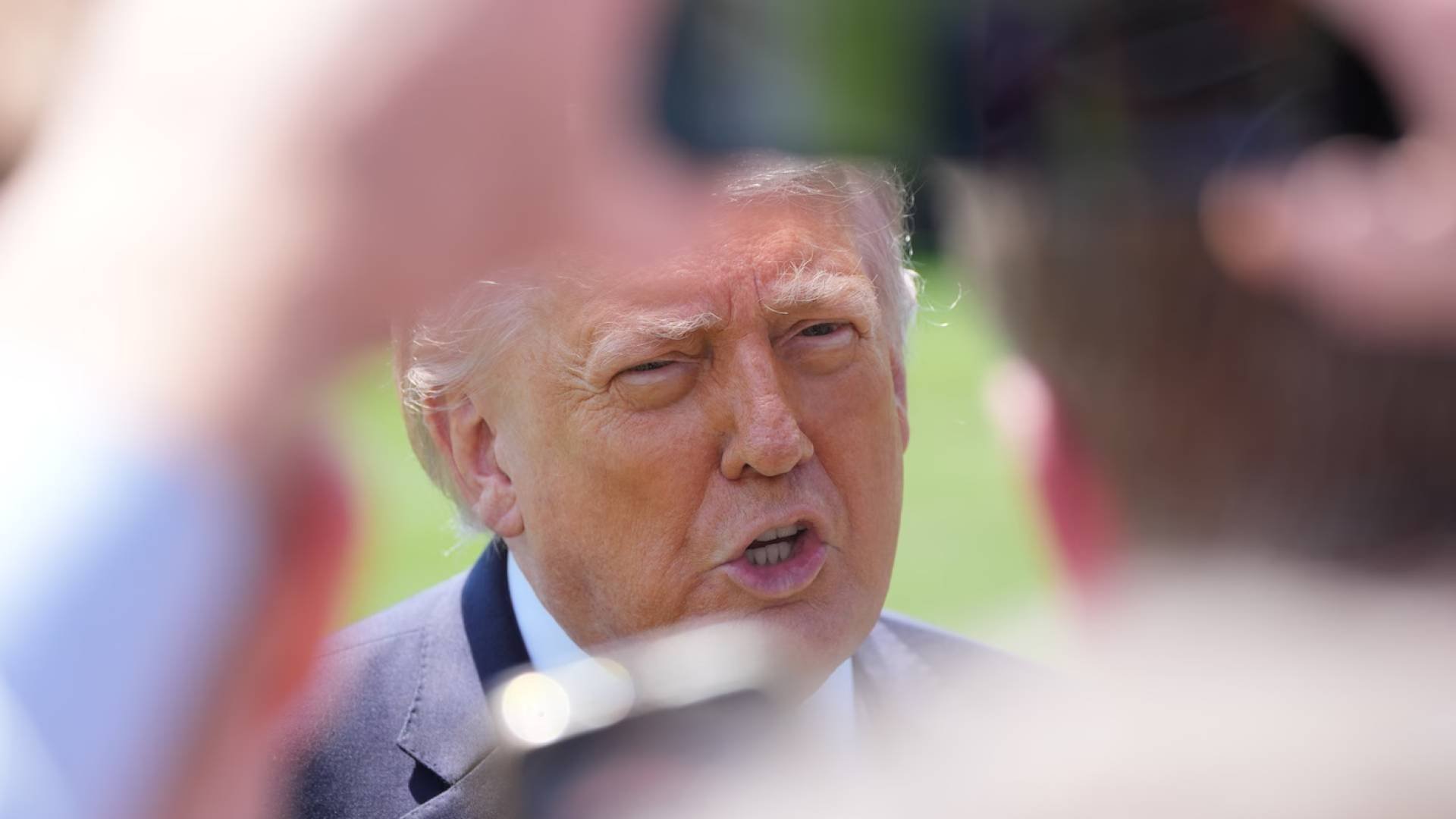
- US President Donald Trump rejects Iranian peace proposal, saying leaders are “disjointed” and “confused”
- Australia’s fuel supplies under pressure as war drags on, with Energy Minister Chris Bowen warning of “impacts on supply chains”
- US withdraws 5,000 troops from NATO ally Germany as rift over Iran war widens between Trump and Europe
- Israel and Hezbollah exchange attacks despite ceasefire, with at least 10 people killed in Lebanon
The war in Iran has now dragged on for over two months, with no clear sign of an end in sight. US President Donald Trump has rejected the latest Iranian peace proposal, saying the leaders are “disjointed” and “confused”.
The conflict is having far-reaching consequences, including putting pressure on Australia’s fuel supplies.
Energy Minister Chris Bowen has warned that the war is having “impacts on supply chains” and that it would be “good if this situation is resolved for the world”.
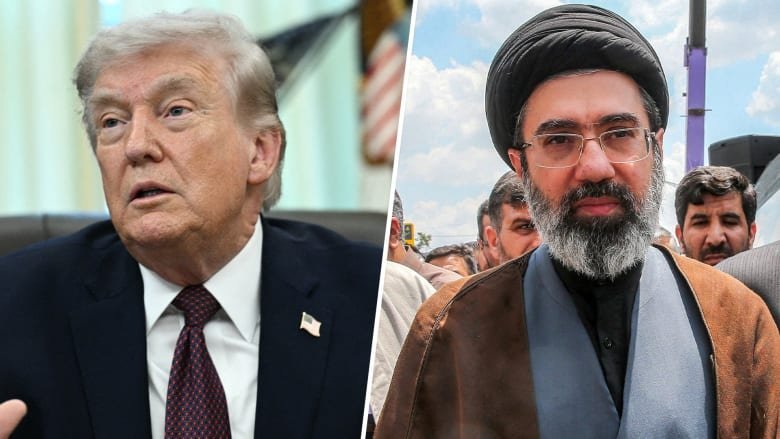
He said that even if the Strait of Hormuz opened tonight, there would still be impacts on supply chains. “Not just for fuel, but for other things as well,” he added.
The US Navy has been blockading Iranian ports, with some of Iran’s vessels being seized by the US. Iran has blocked nearly all ships passing through the Strait of Hormuz apart from its own.
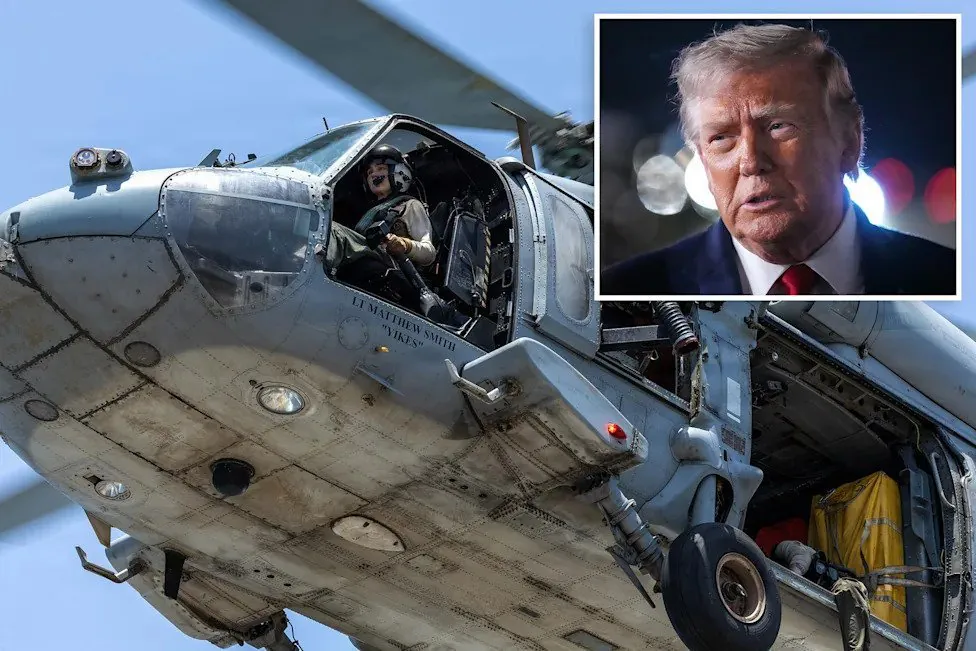

The conflict is also having a significant impact on the global economy, with oil prices rising and trade disrupted.
Meanwhile, the conflict between Israel and Hezbollah has escalated, with at least 10 people killed in Lebanon. Israel carried out several air strikes on southern Lebanon, while Hezbollah fired rockets and drones at northern Israel.
The Israeli military and Hezbollah have kept up their attacks despite a ceasefire that has been in place since April 17.
The US has also announced that it is withdrawing 5,000 troops from NATO ally Germany, amid a rift over the Iran war.
The move is seen as a reaction to German Chancellor Friedrich Merz’s comments that the Iranians were “humiliating” the US in talks to end the war.
A senior Pentagon official said that recent German rhetoric had been “inappropriate and unhelpful”.
The conflict in the Middle East is also having a significant impact on Australia’s fuel supplies. Energy Minister Chris Bowen said that Australia has 4 billion litres of fuel “locked in and contracted to be delivered” over the next four weeks.
However, he warned that the war is having “impacts on supply chains” and that it would be “good if this situation is resolved for the world”.
Analysis: What This Means for Australia
The ongoing conflict in the Middle East is having significant implications for Australia’s national security and economy. The war is disrupting global trade and putting pressure on Australia’s fuel supplies.
Energy Minister Chris Bowen has warned that the war is having “impacts on supply chains” and that it would be “good if this situation is resolved for the world”.
The conflict is also highlighting the importance of Australia’s relationships with its allies in the region. The US withdrawal of 5,000 troops from NATO ally Germany has significant implications for Australia’s relationships with its allies in the region.
Australia will need to carefully navigate the complex web of alliances and rivalries in the region to protect its national interests.
Security analysts say that the conflict in the Middle East is also having a significant impact on Australia’s national security. The war is creating a power vacuum in the region, which is being exploited by extremist groups.
Australia will need to be vigilant in monitoring the situation and working with its allies to prevent the spread of extremism in the region.
Law enforcement insiders warn that the conflict is also having a significant impact on Australia’s border security. The war is creating a surge in refugee and asylum seeker numbers, which is putting pressure on Australia’s border security agencies.
Australia will need to work closely with its allies to prevent the spread of people smuggling and terrorism in the region.
Industry observers believe that the conflict is also having a significant impact on Australia’s economy. The war is disrupting global trade and putting pressure on Australia’s fuel supplies.
Australia will need to diversify its trade relationships and invest in renewable energy to reduce its reliance on imported fuels.
As the conflict in the Middle East continues to escalate, Australia will need to be prepared to respond to the challenges and opportunities that arise. The government will need to carefully balance its relationships with its allies, while also protecting Australia’s national security and economic interests.