
Iran Strikes Back: US Navy Base in Bahrain Under Attack as Middle East Conflict Escalates
- Iran’s Islamic Revolutionary Guard Corps launches drone attack on US Navy’s Fifth Fleet base in Bahrain in retaliation for American strikes on Iranian cities
- US President Donald Trump confirms US military launched “self-defense strikes” against Iran, targeting air defense, ground control stations, and surveillance radar sites
- Iran warns of “more severe responses” if US hostility continues, as tensions in the region reach boiling point
- Australian Prime Minister Anthony Albanese expresses concern over escalating conflict, citing potential impact on global markets
The Middle East conflict has taken a dramatic turn, with Iran’s Islamic Revolutionary Guard Corps (IRGC) launching a drone attack on the US Navy’s Fifth Fleet base in Bahrain.
The attack is in retaliation for a series of American strikes on Iranian cities, which were carried out in response to the downing of a US Apache helicopter.
The situation is rapidly escalating, with both sides engaging in a tit-for-tat exchange of attacks and warnings.
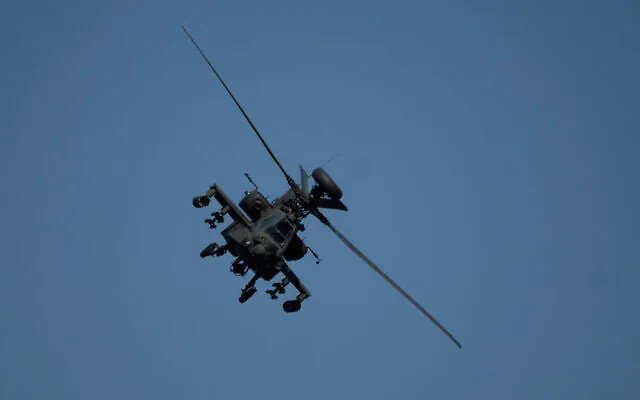
The US military has confirmed that it launched “self-defense strikes” against Iran, targeting air defense, ground control stations, and surveillance radar sites. US President Donald Trump has taken to social media to defend the actions, stating that the strikes were necessary to protect American assets and personnel.
However, Iran has warned that it will not back down, with the IRGC vowing to respond with “more severe” measures if US hostility continues.
The conflict has sparked concerns about the potential impact on global markets. Australian Prime Minister Anthony Albanese has expressed his worries about the escalating situation, citing the potential for disruptions to oil supplies and the global economy.
The price of West Texas Intermediate crude oil futures has already risen by 0.9% to $US89 per barrel, as traders become increasingly anxious about the conflict.
Analysis: What This Means for Australia
The escalating conflict in the Middle East has significant implications for Australia’s national security and economic interests. As a key player in the global economy, Australia is heavily reliant on stable oil supplies and a secure international trade environment.
The conflict has the potential to disrupt these supplies and impact Australian businesses and consumers.
Security analysts say that the situation is likely to continue to escalate, with both sides engaging in a cycle of retaliation and counter-retaliation. This has the potential to draw in other regional players, including Australia’s allies in the Middle East.
The Australian government will need to carefully navigate this complex and rapidly evolving situation to protect the country’s interests and ensure the safety of its citizens.
Law enforcement insiders warn that the conflict also has the potential to impact Australia’s domestic security, with the possibility of extremist groups seeking to exploit the situation to further their own interests.
The Australian government will need to be vigilant in monitoring the situation and taking steps to prevent any potential threats to national security.
Industry observers believe that the conflict will also have significant economic implications for Australia, with the potential for disruptions to trade and investment flows.
The Australian government will need to work closely with its international partners to mitigate the impact of the conflict and ensure that the country’s economic interests are protected.