
Tears, Fury, and Betrayal: The Tragic Death of Kumanjayi Little Baby and the Riot that Shook Alice Springs
- A 47-year-old man has been charged with the murder of a five-year-old Northern Territory girl, sparking riots and looting in Alice Springs.
- Kumanjayi Little Baby was found dead five days after her suspected abduction, with police alleging the accused was staying at the home where she disappeared.
- The riots, which saw shops looted shops and threw rocks at officers, were condemned by police and the NT Chief Minister, who described the violence as “criminal behaviour”.
- As the community mourns the loss of Kumanjayi Little Baby, questions are being raised about the safety of children in remote communities and the need for greater support and resources.
The small town of Alice Springs was left reeling in shock and grief after the body of five-year-old Kumanjayi Little Baby was found on Thursday, five days after her suspected abduction.
The news of her death sparked an outpouring of emotion, with many in the community expressing their sadness and anger.
But as the investigation into her death continued, tensions boiled over, and riots erupted outside the hospital where the accused, 47-year-old Jefferson Lewis, was being held.
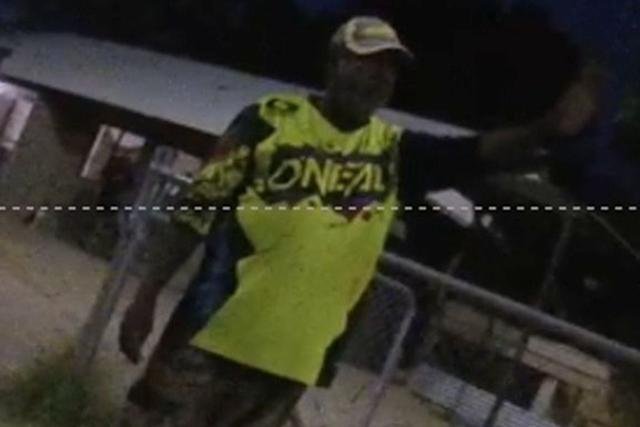
According to police, Lewis was arrested on Thursday night after being assaulted by a group of people at a town camp. He was found unconscious and taken to Alice Springs Hospital before being transferred to Darwin for safety reasons.
Lewis was charged with one count of murder on Saturday night, and his arrest has sent shockwaves through the community.

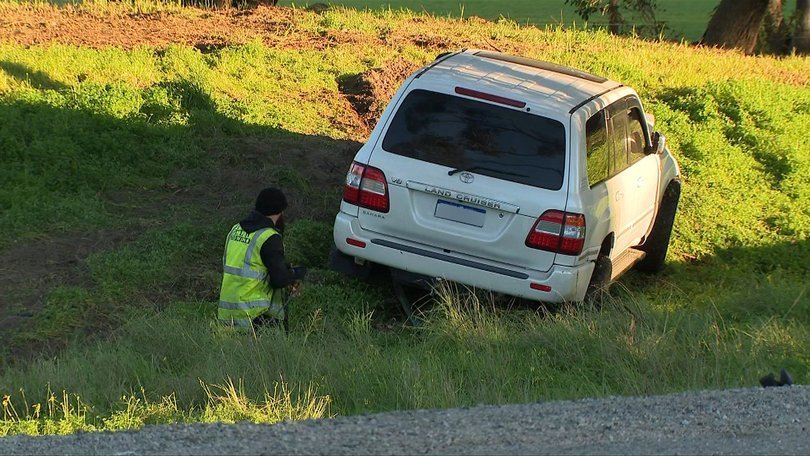
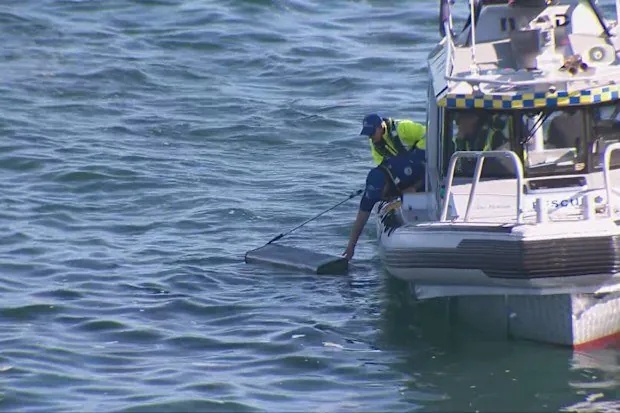
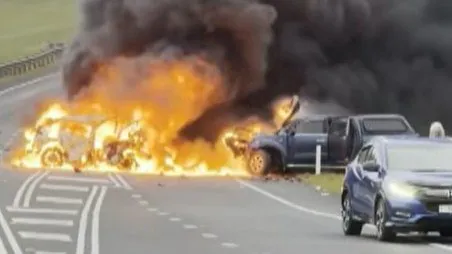
Kumanjayi Little Baby was last seen by her family at a home on Marshall Ct in Old Timers Camp on Saturday night after being put to bed.
Lewis was staying at the home where Kumanjayi Little Baby disappeared and is believed to have gone missing around the same time.
Police found a number of items on the banks of the Todd River behind Old Timers Camp, including a pair of children’s underwear, a yellow shirt believed to have been worn by Lewis, and a doona cover.
As the news of Kumanjayi Little Baby’s death spread, the community came together to mourn her loss. But as the investigation into her death continued, tensions began to rise.
Riots broke out outside the hospital where Lewis was being held, with shops being looted and rocks thrown at officers. Police responded with tear gas, and the situation quickly escalated.
NT Police Commissioner Martin Dole condemned the violence, saying that “what you will see in this footage, is not people processing grief over the death of Baby Kumanjayi.
What you will see is not people trying to practice traditional law.
What you will see is criminal behaviour, plain and simple.” Dole urged anyone who recognises people pictured in the footage to report them to police and asked anyone involved in the rioting to “hand yourself in before we come for you”.
Analysis: What This Means for Australia
The death of Kumanjayi Little Baby and the riots that followed have raised serious concerns about the safety of children in remote communities.
The incident has highlighted the need for greater support and resources for these communities, particularly when it comes to addressing the complex issues of child protection and community safety.
Law enforcement insiders warn that the incident is a tragic reminder of the challenges faced by police in remote communities, where resources are often limited, and the risk of violence is high.
“This is a wake-up call for all of us,” one insider said. “We need to do more to support our police and our communities, particularly in remote areas where the risk of violence is greatest.”
Security analysts say that the incident also highlights the need for greater investment in community-based programs that address the root causes of violence and crime.
“We need to be working with communities to address the underlying issues that lead to violence and crime,” one analyst said. “This means investing in programs that support education, employment, and health, as well as providing greater support for our police and frontline workers.”
As the community continues to mourn the loss of Kumanjayi Little Baby, there are calls for greater action to be taken to address the complex issues that led to her death.
The incident is a tragic reminder of the need for greater support and resources for remote communities, particularly when it comes to addressing the complex issues of child protection and community safety.
Aboriginal and Torres Strait Islander peoples Northern Territory child protection community safety Australian Bureau of Statistics Australian Institute of Criminology