Snake-Infested Waters: Freshwater Crocodile Attack Rocks Lake Argyle as Record Number of Swimmers Take the Plunge
- A man in his 60s was flown to Perth for treatment after being bitten by a suspected freshwater crocodile at Lake Argyle in Western Australia’s far north.
- Three others were also bitten while trying to help the man, but the incident didn’t deter over 400 swimmers from participating in the sold-out Lake Argyle Swim competition the next day.
- Lake Argyle is home to approximately 35,000 freshwater crocodiles, with experts warning that while they’re less aggressive than their saltwater counterparts, they can still attack when provoked.
- The incident has raised concerns about the safety of swimming in the lake, with some swimmers expressing confidence in the event organisers’ response to the attack.
The usually tranquil waters of Lake Argyle turned into a scene of chaos on Friday evening when a suspected freshwater crocodile attacked a group of people, leaving one man in a stable condition in a Perth hospital.
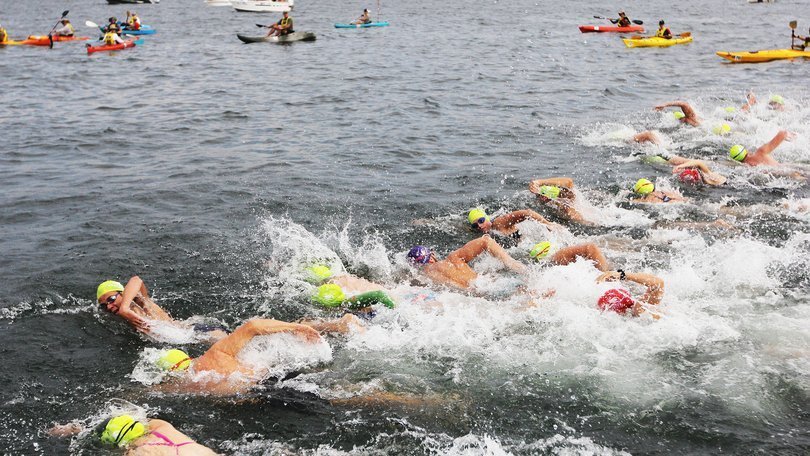
The incident occurred just a day before the highly anticipated Lake Argyle Swim event, which drew in a record number of participants.
The man, who was on a houseboat with a group, was swimming at the Hicks Passage area of the lake when the crocodile struck. Three others who attempted to assist him were also bitten, but fortunately, their injuries were not life-threatening.
The incident has left many in shock, with some questioning the safety of swimming in the lake.
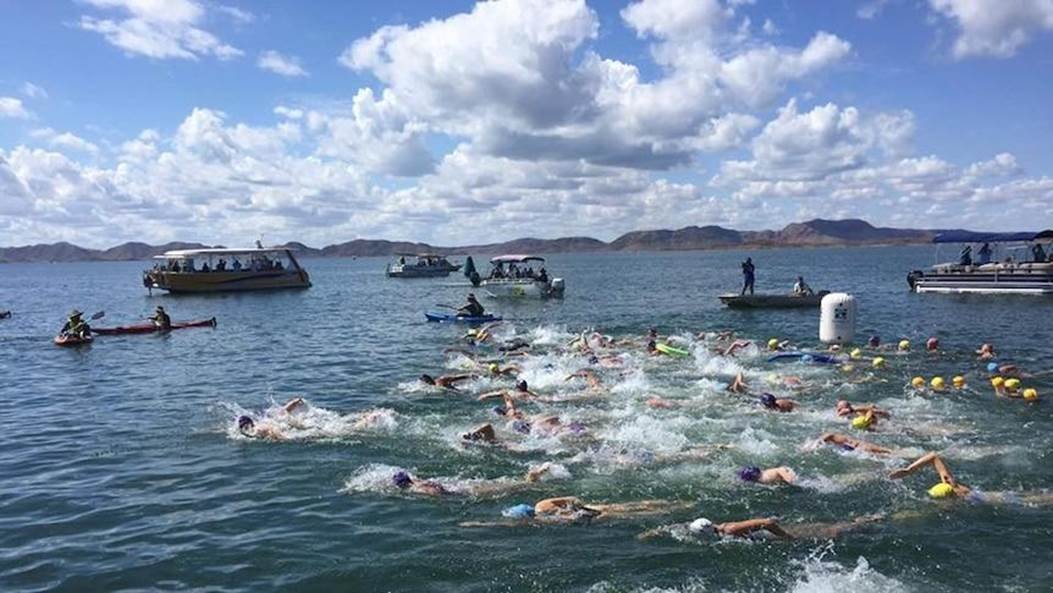
However, event organiser Glenn Taylor assured that the safety of the swimmers was paramount and that they had taken immediate action to mitigate the risk. “We informed all the teams they’d be going a different 20km course, not going near that area,” he said.

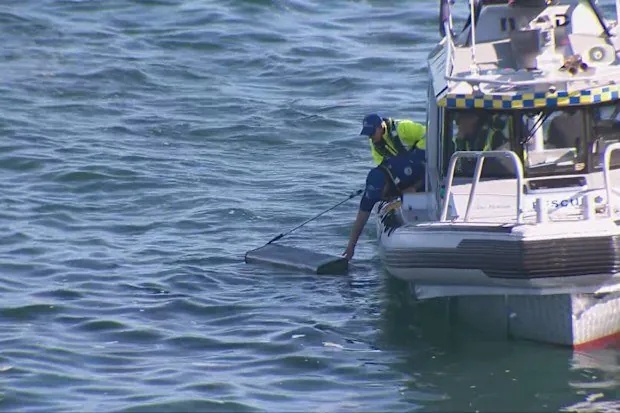

The decision seemed to have worked, as no swimmers pulled out of the competition, and the event went ahead without a hitch.
Lake Argyle is notorious for its large population of freshwater crocodiles, with estimates suggesting that there are around 35,000 of them in the lake. While they are considered less aggressive than their saltwater counterparts, they can still attack when provoked.
In fact, just last month, a family dog narrowly escaped an attack near the lake, and in 2022, a swimmer sustained serious leg injuries.
Despite the risks, many swimmers, including ultra swimmer Andy Donaldson, who recently broke a world record by swimming 55km in under 12 hours, felt confident in the event organisers’ ability to keep them safe.
“It’s always there in some corner of your mind, but I felt in good hands,” he said.
Local swimmer Ben “Broady” Broadwith, who has been training in Lake Argyle since 2011, echoed Donaldson’s sentiments. “I grew up in Lake Argyle… we don’t have a pool at the moment, so we train in Lake Argyle.
It’s where I’m most comfortable. It’s a very safe body of water to swim in.”
However, not everyone is convinced that the lake is safe for swimming. Some have raised concerns about the lack of warning signs and the need for more stringent safety measures.
“It’s a ticking time bomb,” said one concerned local. “It’s only a matter of time before someone gets seriously hurt.”
Analysis: What This Means for Australia
The incident at Lake Argyle highlights the risks associated with swimming in areas where crocodiles are present. While freshwater crocodiles are considered less aggressive than their saltwater counterparts, they can still pose a significant threat to human safety.
The incident raises questions about the adequacy of safety measures in place at the lake and the need for more effective warning systems.
Security analysts say that the incident is a wake-up call for event organisers and authorities to review their safety protocols and ensure that they are doing everything possible to mitigate the risks associated with swimming in areas where crocodiles are present.
“It’s not just about having safety measures in place; it’s about having a plan in place in case something goes wrong,” said one analyst.
Law enforcement insiders warn that the incident could have been much worse and that it’s lucky that no one was killed. “It’s a miracle that no one was more seriously injured,” said one insider.
“It’s a stark reminder of the dangers that are present in our waterways.”
Industry observers believe that the incident will have significant economic and social consequences for the local community. “It’s going to have a big impact on tourism and the local economy,” said one observer.
“People are going to think twice about visiting the area, and that’s going to have a ripple effect on the local businesses.”
In conclusion, the incident at Lake Argyle is a stark reminder of the risks associated with swimming in areas where crocodiles are present.
While the event organisers took swift action to mitigate the risk, the incident raises questions about the adequacy of safety measures in place and the need for more effective warning systems.
As the local community comes to terms with what happened, one thing is clear: the incident will have significant consequences for the area and its people.