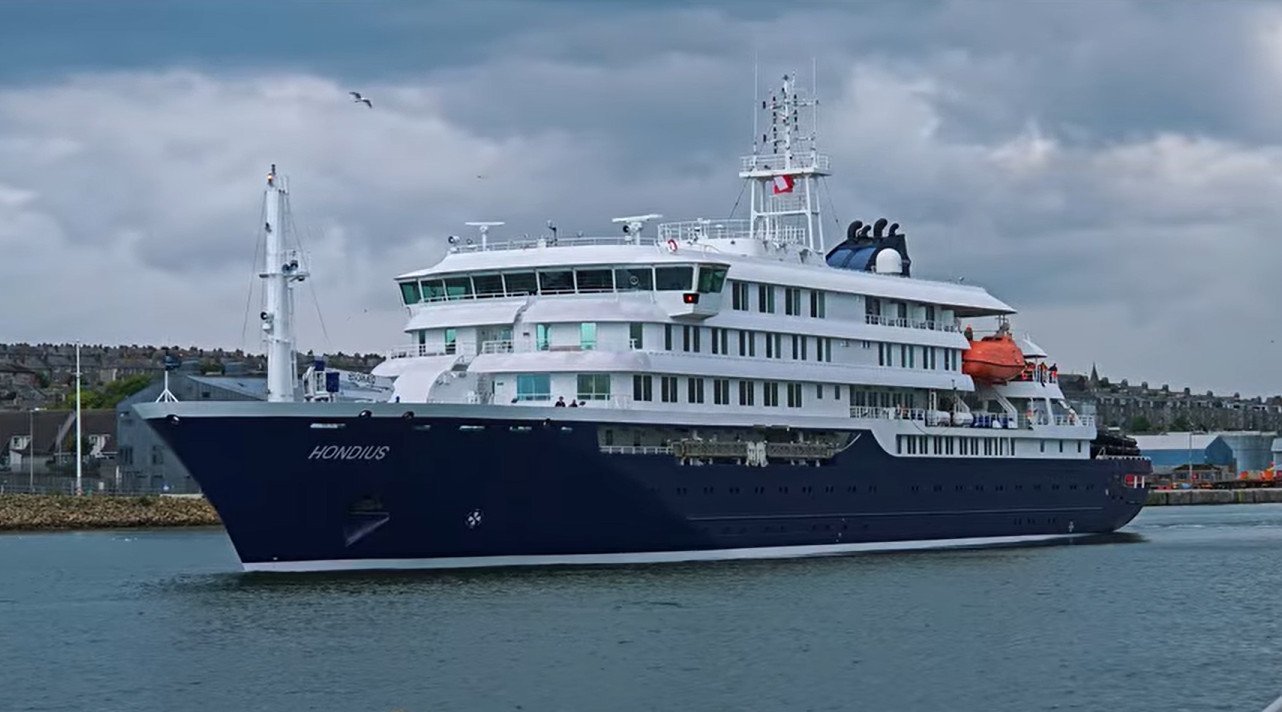
Deadly Hantavirus Outbreak on Luxury Cruise Ship: Three Dead, Multiple Infected as Vessel Sails Through Atlantic Ocean
- A suspected hantavirus outbreak on the MV Hondius luxury cruise ship has turned deadly, with three confirmed fatalities and multiple passengers infected.
- The World Health Organization (WHO) has confirmed at least one case of hantavirus, a rare and deadly disease spread by contact with infected rodents.
- Passengers and crew are receiving medical attention, with one patient in intensive care in a South African hospital, as authorities scramble to contain the outbreak.
- The ship, operated by Dutch-based tour company Oceanwide Expeditions, was sailing from Argentina to Cape Verde when the outbreak occurred.
The luxury cruise ship, MV Hondius, was supposed to be a dream getaway for its 170 passengers and 70 crew members. Instead, it has turned into a nightmare, with a suspected hantavirus outbreak claiming three lives and leaving multiple others infected.
The World Health Organization (WHO) has confirmed at least one case of the rare and deadly disease, which is spread by contact with infected rodents.
The outbreak is believed to have occurred while the ship was sailing from Argentina to Cape Verde, off the coast of West Africa. The WHO has launched an investigation, working with national authorities to coordinate medical evacuations and provide support to passengers and crew.
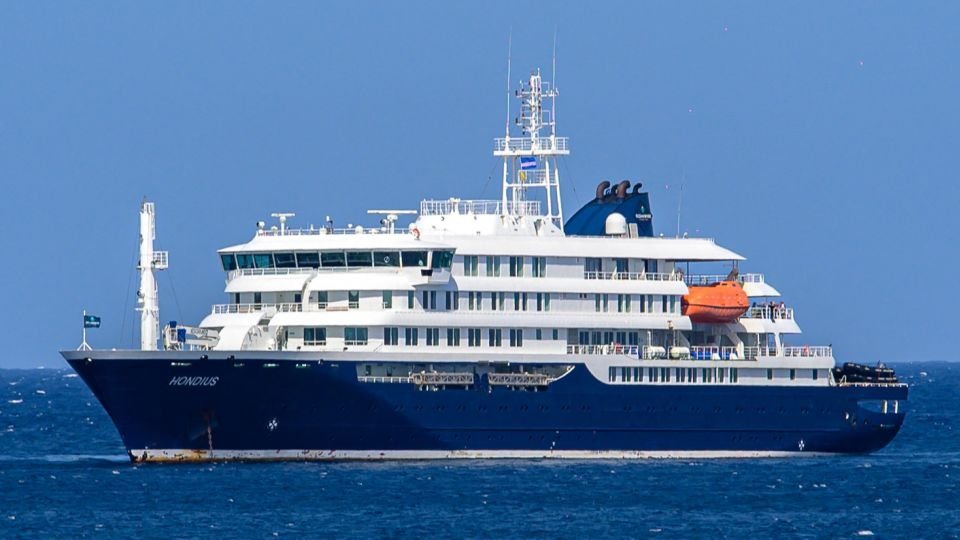
One patient is currently in intensive care in a South African hospital, while two other passengers with symptoms are awaiting evacuation.
Hantavirus is a rare but deadly disease, with a low mortality rate. However, it can spread quickly through contact with infected rodents or their droppings.




Humans can catch the virus through inhalation of contaminated dust, bites, or contact with infected urine or feces.
The virus presents in two key ways: severe respiratory infections, which can cause symptoms such as chills, fevers, headaches, and nausea, and hemorrhagic fever, which can be fatal.
Professor Meru Sheel, an infectious diseases epidemiologist from Sydney University, said the news of the outbreak on a cruise ship was surprising, but emphasized the importance of not panicking.
“Any large outbreaks on a cruise ship will tend to evoke a reaction in people, a memory of what happened with COVID-19, but it’s important to not panic as yet,” she said.
Sheel added that rodents naturally carry different hantaviruses, but they are not transmitted from human to human.
Analysis: What This Means for Australia
The hantavirus outbreak on the MV Hondius has serious implications for Australia’s national security and public health.
The country’s remote and rural communities are particularly vulnerable to outbreaks, and the risk of the virus spreading through human-to-human contact, although low, cannot be ignored.
Australia’s health authorities must remain vigilant and take prompt action to prevent any potential spread of the virus.
Law enforcement and border control agencies must also be on high alert, ensuring that all passengers and crew members are thoroughly screened and monitored upon arrival in Australian ports.
The incident highlights the need for robust biosecurity measures to prevent the introduction and spread of exotic diseases in Australia.
Security analysts say the outbreak is a wake-up call for the cruise industry, which must take immediate action to enhance its biosecurity protocols and prevent similar incidents in the future.
Industry observers believe that the incident will have significant economic and social consequences, with the potential to impact the global cruise industry’s reputation and passenger confidence.
As the situation continues to unfold, one thing is clear: the hantavirus outbreak on the MV Hondius is a stark reminder of the risks and challenges associated with global travel and the importance of robust public health measures to prevent the spread of infectious diseases.