
Tragedy in the Heart of Australia: The Disturbing Case of Kumanjayi Little Baby’s Alleged Murderer
- A five-year-old girl’s life cut short in a brutal alleged murder that has sent shockwaves through the nation
- Jefferson Lewis, 47, excused from court appearance as prosecution requests lengthy adjournment to build case
- Alice Springs community in mourning as family of Kumanjayi Little Baby seeks justice for their beloved child
- National attention on the case sparks calls for greater support for rural and remote communities
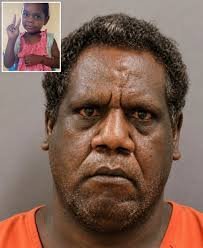
The tragic case of Kumanjayi Little Baby’s alleged murder has left the nation reeling, with the accused, Jefferson Lewis, excused from appearing in court today.
The 47-year-old is charged with one count of murder and two other undisclosed charges, and his lawyer, Mitchell Donaldson, requested he be excused from the Alice Springs Local Court proceedings.
As the courtroom was closed to the public and journalists for private discussions between defence and prosecution, the family of Kumanjayi Little Baby was noticeably absent.
However, several family members were seen arriving as lawyers and media left the courtroom, a poignant reminder of the devastating impact of this tragedy on the community.
The case has drawn widespread attention due to the brutal nature of the alleged crime and the young age of the victim.


Kumanjayi Little Baby’s family has requested that she be referred to by her full name, a testament to the love and respect they have for their beloved child.
The prosecution has requested a lengthy adjournment to allow time for an extensive brief of evidence to be compiled, including citizen statements and forensic evidence. The case is expected to return to court on July 30, leaving the community to wait anxiously for justice.
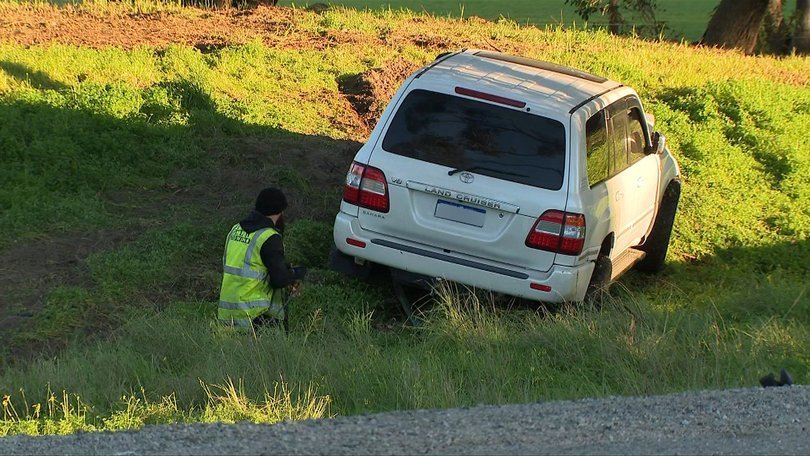
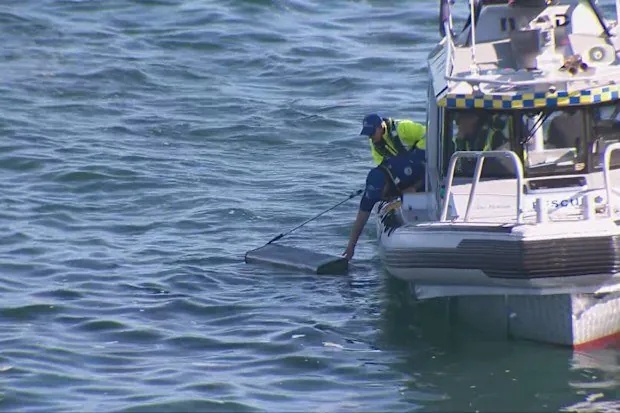
The investigation into Kumanjayi Little Baby’s disappearance and alleged murder has been ongoing for several weeks, with NT Police Commissioner Martin Dole praising the tireless efforts of detectives who worked “around the clock” to lay charges.
The extensive search for the five-year-old girl, who went missing from an Alice Springs town camp last month, ended in tragedy when her remains were discovered after five days.
As the nation grapples with the shocking details of this case, questions are being raised about the support and resources available to rural and remote communities.
The alleged murder of Kumanjayi Little Baby has sparked calls for greater investment in these areas, highlighting the need for improved access to services and infrastructure.
Analysis: What This Means for AustraliaThe case of Kumanjayi Little Baby’s alleged murder serves as a stark reminder of the vulnerabilities faced by rural and remote communities in Australia.
The lack of access to essential services, including healthcare and law enforcement, can exacerbate the risks faced by these communities, particularly children.
Law enforcement insiders warn that the alleged murder highlights the need for increased resources and support for rural policing, including improved communication networks and emergency response systems.
The case also raises concerns about the adequacy of current child protection measures in these areas, with many calling for greater investment in prevention and early intervention programs.
As the nation waits for justice to be served, the family of Kumanjayi Little Baby will continue to navigate the complex and often traumatic process of seeking justice for their child.
The case serves as a poignant reminder of the need for compassion, empathy, and support for those affected by tragedy, and the importance of working towards a safer, more just society for all Australians.
In the words of a local community leader, “The loss of Kumanjayi Little Baby is a devastating reminder of the challenges we face in rural and remote Australia.
We must come together to demand greater support and resources for our communities, and to ensure that no family has to endure the pain and suffering that this family has experienced.”
The alleged murder of Kumanjayi Little Baby has sparked a national conversation about the need for greater support and resources for rural and remote communities.
As the case continues to unfold, it remains to be seen whether justice will be served, but one thing is clear – the impact of this tragedy will be felt for years to come.
The tragic case of Kumanjayi Little Baby’s alleged murder has left the nation reeling, with the accused, Jefferson Lewis, excused from appearing in court today. The 47-year-old is charged with one count of murder and two other undisclosed charges, and his lawyer, Mitchell Donaldson, requested he be excused from the Alice Springs Local Court proceedings.
As the courtroom was closed to the public and journalists for private discussions between defence and prosecution, the family of Kumanjayi Little Baby was noticeably absent. However, several family members were seen arriving as lawyers and media left the courtroom, a poignant reminder of the devastating impact of this tragedy on the community.
The case has drawn widespread attention due to the brutal nature of the alleged crime and the young age of the victim. Kumanjayi Little Baby’s family has requested that she be referred to by her full name, a testament to the love and respect they have for their beloved child.
The prosecution has requested a lengthy adjournment to allow time for an extensive brief of evidence to be compiled, including citizen statements and forensic evidence. The case is expected to return to court on July 30, leaving the community to wait anxiously for justice.
The investigation into Kumanjayi Little Baby’s disappearance and alleged murder has been ongoing for several weeks, with NT Police Commissioner Martin Dole praising the tireless efforts of detectives who worked “around the clock” to lay charges. The extensive search for the five-year-old girl, who went missing from an Alice Springs town camp last month, ended in tragedy when her remains were discovered after five days.
As the nation grapples with the shocking details of this case, questions are being raised about the support and resources available to rural and remote communities. The alleged murder of Kumanjayi Little Baby has sparked calls for greater investment in these areas, highlighting the need for improved access to services and infrastructure.
The case of Kumanjayi Little Baby’s alleged murder serves as a stark reminder of the vulnerabilities faced by rural and remote communities in Australia. The lack of access to essential services, including healthcare and law enforcement, can exacerbate the risks faced by these communities, particularly children.
Law enforcement insiders warn that the alleged murder highlights the need for increased resources and support for rural policing, including improved communication networks and emergency response systems. The case also raises concerns about the adequacy of current child protection measures in these areas, with many calling for greater investment in prevention and early intervention programs.
As the nation waits for justice to be served, the family of Kumanjayi Little Baby will continue to navigate the complex and often traumatic process of seeking justice for their child. The case serves as a poignant reminder of the need for compassion, empathy, and support for those affected by tragedy, and the importance of working towards a safer, more just society for all Australians.
In the words of a local community leader, “The loss of Kumanjayi Little Baby is a devastating reminder of the challenges we face in rural and remote Australia. We must come together to demand greater support and resources for our communities, and to ensure that no family has to endure the pain and suffering that this family has experienced.”
The alleged murder of Kumanjayi Little Baby has sparked a national conversation about the need for greater support and resources for rural and remote communities. As the case continues to unfold, it remains to be seen whether justice will be served, but one thing is clear – the impact of this tragedy will be felt for years to come.