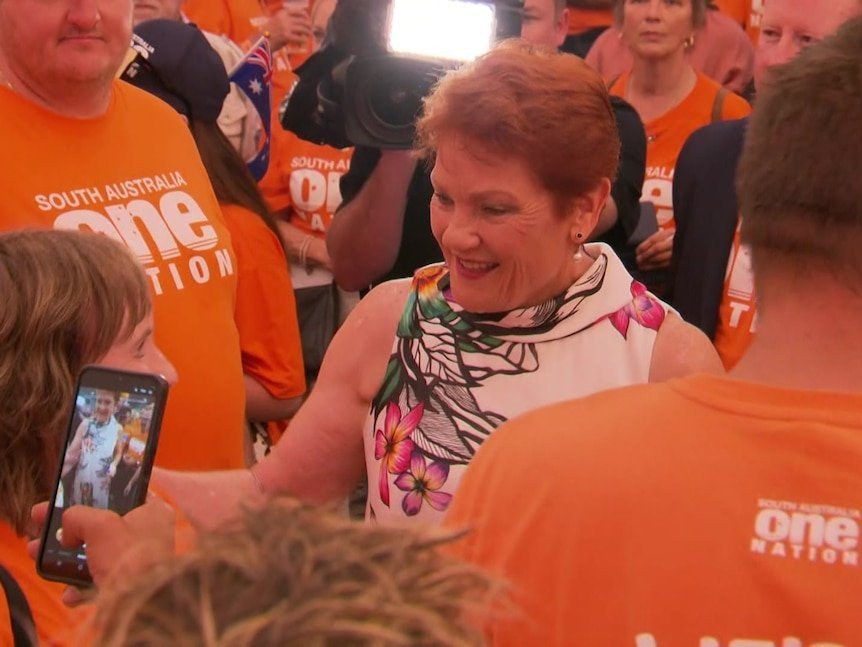
One Nation’s Historic Win: ‘We’re Coming for Western Sydney’ – Barnaby Joyce Issues Stark Warning to Labor as Populist Party Clinches First Federal Lower House Seat
- One Nation has won its first federal Lower House seat in a historic result, breaking the Coalition’s 77-year hold on the NSW seat of Farrer.
- David Farley defeated fellow frontrunner Michelle Milthorpe and Coalition candidates to clinch the seat, commanding a double-digit lead within two hours of polls closing.
- Barnaby Joyce has issued a stark warning to Labor, saying One Nation is “coming for Western Sydney” and has its eyes on Labor seats in the multicultural working-class suburbs.
- The result has been declared “catastrophic” for Opposition Leader Angus Taylor’s leadership, with Labor saying it puts beyond doubt that the Liberals and Nationals can only form government in coalition with One Nation.
The shockwaves from One Nation’s historic win in the NSW seat of Farrer are still being felt, with the populist party’s leader Pauline Hanson declaring it a “win for the rest of Australia”.
David Farley, the victorious candidate, has vowed to focus on cost-of-living issues, including the “damn net zero crap” that he claims is not what Australia wants or needs.
But it’s the warning from Barnaby Joyce that has sent a chill down the spines of Labor MPs, with the Nationals leader saying One Nation is setting its sights on Western Sydney.
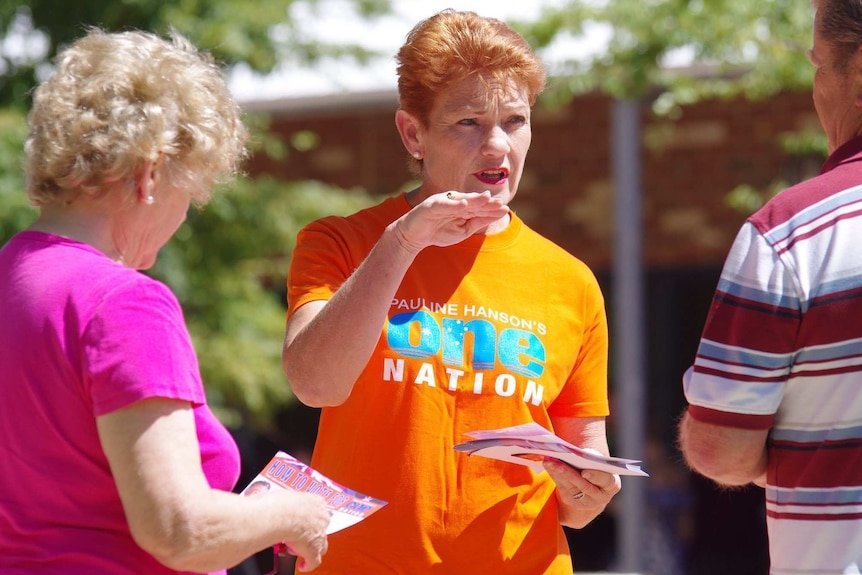
The Coalition’s 77-year hold on the seat of Farrer has been broken, with Farley defeating fellow frontrunner Michelle Milthorpe and Coalition candidates to clinch the seat.
The result is a major blow to Opposition Leader Angus Taylor, who has been warned by his predecessor Sussan Ley to accept the defeat with humility.
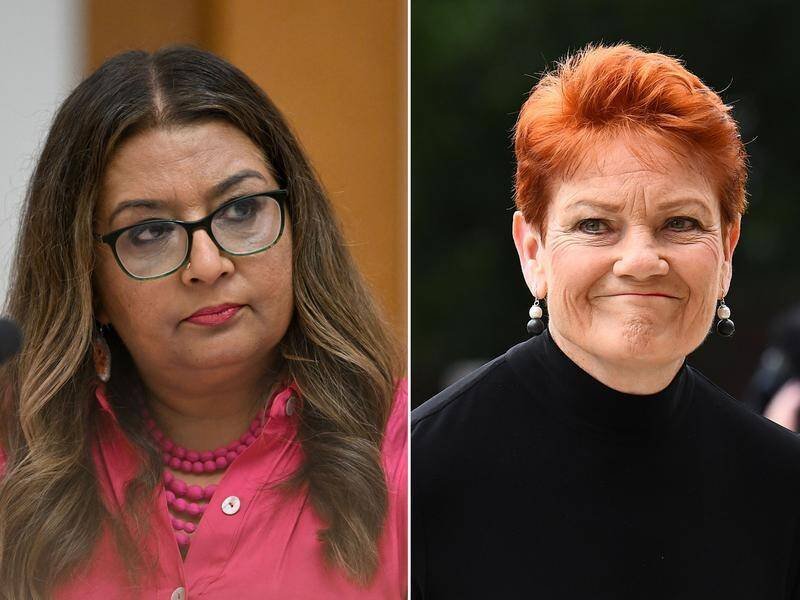



Ley, who held the seat for 25 years before quitting after being rolled as Liberal Party leader, said the voters “never get it wrong” and that the result demonstrates the need for the Liberal Party to “change or die”.
The Liberal Party’s focus on the “politics of convenience” rather than “conviction” has been blamed for the loss, with Taylor admitting that the party needs to rebuild trust with the Australian people.
But it’s the rise of One Nation that has sent shockwaves through the political establishment, with Labor declaring the result “catastrophic” for Taylor’s leadership.
Murray Watt, a Cabinet minister and one of Anthony Albanese’s closest political operatives, said the outcome puts beyond doubt that the Liberals and Nationals can only form government in coalition with One Nation.
As One Nation celebrates its historic win, the party is already looking to its next target – Western Sydney.
Joyce has issued a stark warning to Labor, saying One Nation is “coming for Western Sydney” and has its eyes on Labor seats in the multicultural working-class suburbs.
The warning has been met with defiance from Labor, with Chris Bowen saying the party is ready to take on One Nation in the region.
Analysis: What This Means for AustraliaThe rise of One Nation is a major concern for the political establishment, with the party’s populist policies and anti-immigration rhetoric resonating with disaffected voters.
The party’s win in Farrer is a significant milestone, marking the first time it has won a federal Lower House seat. But it’s the party’s ambitions beyond Farrer that should be of greatest concern to Labor and the Coalition.
One Nation’s focus on cost-of-living issues, including the cost of energy and the impact of mass migration, has struck a chord with voters in Farrer.
But it’s the party’s hardline stance on immigration that has raised concerns about its potential impact on social cohesion and national security.
As the party sets its sights on Western Sydney, there are fears that it could exploit existing tensions in the region and further polarize the community.
Security analysts say that the rise of One Nation is a wake-up call for the major parties, which need to take a more nuanced approach to addressing the concerns of disaffected voters.
“The major parties need to stop treating One Nation as a fringe player and start taking its policies seriously,” said one analyst.
“If they don’t, they risk being left behind by a party that is increasingly tapping into the mood of the nation.”
Law enforcement insiders warn that the rise of One Nation could also have implications for national security, with the party’s anti-immigration rhetoric potentially fueling tensions and extremism.
“We need to be careful about the language we use and the policies we promote, because they can have real-world consequences,” said one insider.
As the dust settles on One Nation’s historic win, one thing is clear – the party is here to stay, and its impact on Australian politics will be felt for years to come.
The shockwaves from One Nation’s historic win in the NSW seat of Farrer are still being felt, with the populist party’s leader Pauline Hanson declaring it a “win for the rest of Australia”. David Farley, the victorious candidate, has vowed to focus on cost-of-living issues, including the “damn net zero crap” that he claims is not what Australia wants or needs. But it’s the warning from Barnaby Joyce that has sent a chill down the spines of Labor MPs, with the Nationals leader saying One Nation is setting its sights on Western Sydney.
The Coalition’s 77-year hold on the seat of Farrer has been broken, with Farley defeating fellow frontrunner Michelle Milthorpe and Coalition candidates to clinch the seat. The result is a major blow to Opposition Leader Angus Taylor, who has been warned by his predecessor Sussan Ley to accept the defeat with humility. Ley, who held the seat for 25 years before quitting after being rolled as Liberal Party leader, said the voters “never get it wrong” and that the result demonstrates the need for the Liberal Party to “change or die”.
The Liberal Party’s focus on the “politics of convenience” rather than “conviction” has been blamed for the loss, with Taylor admitting that the party needs to rebuild trust with the Australian people. But it’s the rise of One Nation that has sent shockwaves through the political establishment, with Labor declaring the result “catastrophic” for Taylor’s leadership. Murray Watt, a Cabinet minister and one of Anthony Albanese’s closest political operatives, said the outcome puts beyond doubt that the Liberals and Nationals can only form government in coalition with One Nation.
As One Nation celebrates its historic win, the party is already looking to its next target – Western Sydney. Joyce has issued a stark warning to Labor, saying One Nation is “coming for Western Sydney” and has its eyes on Labor seats in the multicultural working-class suburbs. The warning has been met with defiance from Labor, with Chris Bowen saying the party is ready to take on One Nation in the region.
The rise of One Nation is a major concern for the political establishment, with the party’s populist policies and anti-immigration rhetoric resonating with disaffected voters. The party’s win in Farrer is a significant milestone, marking the first time it has won a federal Lower House seat. But it’s the party’s ambitions beyond Farrer that should be of greatest concern to Labor and the Coalition.
One Nation’s focus on cost-of-living issues, including the cost of energy and the impact of mass migration, has struck a chord with voters in Farrer. But it’s the party’s hardline stance on immigration that has raised concerns about its potential impact on social cohesion and national security. As the party sets its sights on Western Sydney, there are fears that it could exploit existing tensions in the region and further polarize the community.
Security analysts say that the rise of One Nation is a wake-up call for the major parties, which need to take a more nuanced approach to addressing the concerns of disaffected voters. “The major parties need to stop treating One Nation as a fringe player and start taking its policies seriously,” said one analyst. “If they don’t, they risk being left behind by a party that is increasingly tapping into the mood of the nation.”
Law enforcement insiders warn that the rise of One Nation could also have implications for national security, with the party’s anti-immigration rhetoric potentially fueling tensions and extremism. “We need to be careful about the language we use and the policies we promote, because they can have real-world consequences,” said one insider.
As the dust settles on One Nation’s historic win, one thing is clear – the party is here to stay, and its impact on Australian politics will be felt for years to come.