‘Brazen and Opportunistic’: WA Farmers Reel as 270 Pregnant Sheep Worth $100,000 are Stolen in Latest Shocking Case of Rural Crime
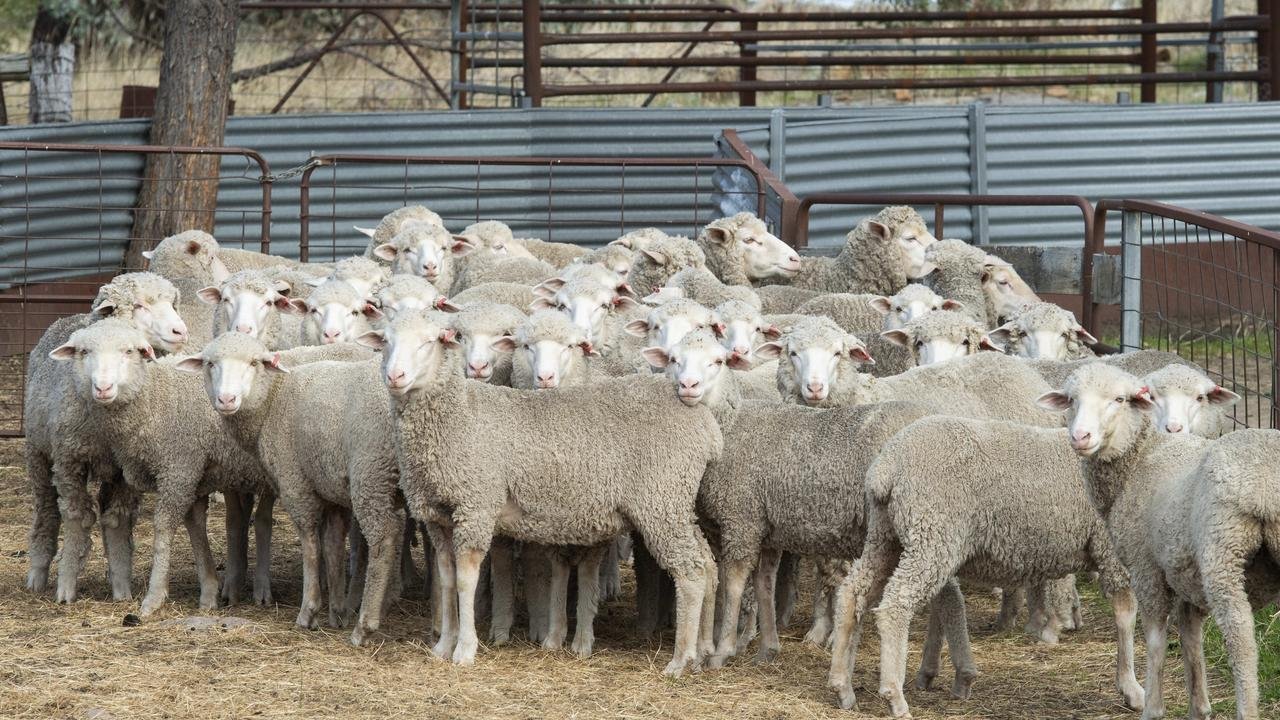
- More than 270 pregnant ultra-white ewes were stolen from a Pingrup farm in WA’s Great Southern region, with an estimated value of $100,000.
- The theft is part of a disturbing trend of rural crime in Western Australia, with the WA Rural Crime Team investigating a dozen sheep theft reports this year alone.
- The stolen sheep are part of a breeding herd, and the theft is believed to have been orchestrated by people within the agricultural industry.
- Changes to the state’s electronic identification system (eID) are set to come into effect on July 1, which are expected to improve traceability of stolen livestock.
The discovery of the theft has sent shockwaves through the agricultural community, with the owner of the Pingrup farm reeling from the loss of some of their most valuable stock.
Detective Senior Constable Michael Le Poidevin described the theft as a “huge hit” for the farmer, with the stolen ewes being part of a breeding herd and currently valued at between $300 to $400 a head.
The WA Rural Crime Team is investigating the theft, which is believed to have occurred between February and April. Detective Le Poidevin said police were following several leads, but believed it was likely orchestrated by people from within the agricultural industry.
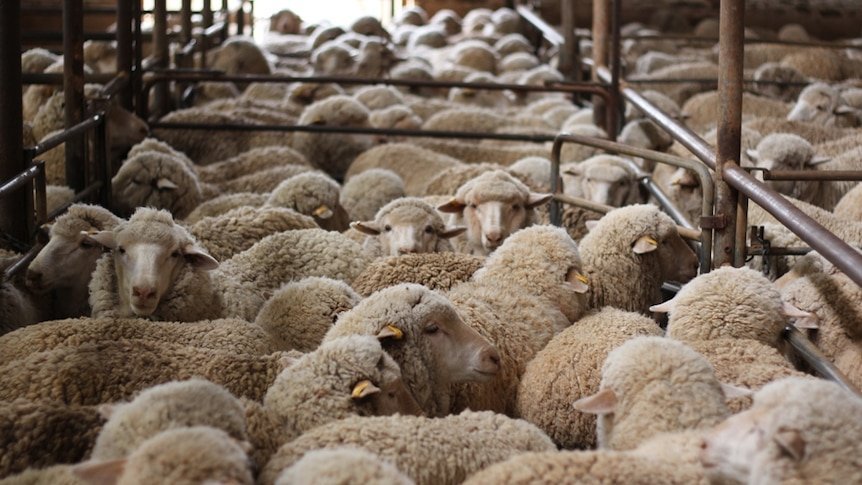
“Sheep stealing or any kind of livestock stealing — whether it be cattle, sheep, goats, or even the odd horse — unfortunately [tends to be by] these people who are in the livestock industry,” he said.
The theft is part of a disturbing trend of rural crime in Western Australia, with the WA Rural Crime Team investigating a dozen sheep theft reports this year alone.



The rise in prices from about $20 a head two years ago to about $350 a head today has meant that thefts that may have been ignored in the past are now being reported.
Detective Le Poidevin said the increase in prices had made livestock a more attractive target for thieves. The WA Farmers Federation president Steve McGuire described the theft as “brazen and opportunistic”, likely connected to the dramatic rise in sheep prices.
“People see a way to make an easy dollar,” he said. Mr McGuire welcomed the incoming changes to the state’s electronic identification system (eID), which are expected to improve traceability of stolen livestock.
Analysis: What This Means for AustraliaThe theft of 270 pregnant ultra-white ewes from a Pingrup farm in WA’s Great Southern region is a stark reminder of the vulnerability of rural communities to crime.
The rise in sheep prices has made livestock a more attractive target for thieves, and the lack of effective tracing and tracking systems has made it easier for them to get away with it.
The WA Rural Crime Team’s investigation into the theft is ongoing, but the case highlights the need for greater investment in rural law enforcement and more effective measures to prevent and detect livestock theft.
The changes to the state’s electronic identification system (eID) are a step in the right direction, but more needs to be done to support rural communities and protect their livelihoods.
Security analysts say that the theft of livestock is often a sign of a larger problem, with organized crime groups and individuals seeking to exploit vulnerabilities in the agricultural industry.
The WA Farmers Federation president Steve McGuire’s call for greater traceability of stolen livestock is a clear indication that the industry is taking the issue seriously, but more needs to be done to address the root causes of rural crime.
The impact of rural crime on Australian communities and public safety cannot be overstated.
The theft of livestock can have a devastating impact on farmers and rural businesses, and the lack of effective law enforcement in rural areas can create a sense of vulnerability and fear.
The WA Rural Crime Team’s investigation into the theft of 270 pregnant ultra-white ewes is a critical step in addressing this issue, but it is only the beginning.
Industry observers believe that the changes to the state’s electronic identification system (eID) will go some way in improving traceability of stolen livestock, but more needs to be done to support rural communities and protect their livelihoods.
The WA Farmers Federation president Steve McGuire’s call for greater investment in rural law enforcement is a clear indication that the industry is taking the issue seriously, but more needs to be done to address the root causes of rural crime.
The theft of 270 pregnant ultra-white ewes from a Pingrup farm in WA’s Great Southern region is a wake-up call for rural communities and law enforcement agencies across Australia.
It highlights the need for greater investment in rural law enforcement and more effective measures to prevent and detect livestock theft.
The changes to the state’s electronic identification system (eID) are a step in the right direction, but more needs to be done to support rural communities and protect their livelihoods.
The discovery of the theft has sent shockwaves through the agricultural community, with the owner of the Pingrup farm reeling from the loss of some of their most valuable stock. Detective Senior Constable Michael Le Poidevin described the theft as a “huge hit” for the farmer, with the stolen ewes being part of a breeding herd and currently valued at between $300 to $400 a head.
The WA Rural Crime Team is investigating the theft, which is believed to have occurred between February and April. Detective Le Poidevin said police were following several leads, but believed it was likely orchestrated by people from within the agricultural industry. “Sheep stealing or any kind of livestock stealing — whether it be cattle, sheep, goats, or even the odd horse — unfortunately [tends to be by] these people who are in the livestock industry,” he said.
The theft is part of a disturbing trend of rural crime in Western Australia, with the WA Rural Crime Team investigating a dozen sheep theft reports this year alone. The rise in prices from about $20 a head two years ago to about $350 a head today has meant that thefts that may have been ignored in the past are now being reported. Detective Le Poidevin said the increase in prices had made livestock a more attractive target for thieves.
The WA Farmers Federation president Steve McGuire described the theft as “brazen and opportunistic”, likely connected to the dramatic rise in sheep prices. “People see a way to make an easy dollar,” he said. Mr McGuire welcomed the incoming changes to the state’s electronic identification system (eID), which are expected to improve traceability of stolen livestock.
The theft of 270 pregnant ultra-white ewes from a Pingrup farm in WA’s Great Southern region is a stark reminder of the vulnerability of rural communities to crime. The rise in sheep prices has made livestock a more attractive target for thieves, and the lack of effective tracing and tracking systems has made it easier for them to get away with it.
The WA Rural Crime Team’s investigation into the theft is ongoing, but the case highlights the need for greater investment in rural law enforcement and more effective measures to prevent and detect livestock theft. The changes to the state’s electronic identification system (eID) are a step in the right direction, but more needs to be done to support rural communities and protect their livelihoods.
Security analysts say that the theft of livestock is often a sign of a larger problem, with organized crime groups and individuals seeking to exploit vulnerabilities in the agricultural industry. The WA Farmers Federation president Steve McGuire’s call for greater traceability of stolen livestock is a clear indication that the industry is taking the issue seriously, but more needs to be done to address the root causes of rural crime.
The impact of rural crime on Australian communities and public safety cannot be overstated. The theft of livestock can have a devastating impact on farmers and rural businesses, and the lack of effective law enforcement in rural areas can create a sense of vulnerability and fear. The WA Rural Crime Team’s investigation into the theft of 270 pregnant ultra-white ewes is a critical step in addressing this issue, but it is only the beginning.
Industry observers believe that the changes to the state’s electronic identification system (eID) will go some way in improving traceability of stolen livestock, but more needs to be done to support rural communities and protect their livelihoods. The WA Farmers Federation president Steve McGuire’s call for greater investment in rural law enforcement is a clear indication that the industry is taking the issue seriously, but more needs to be done to address the root causes of rural crime.
The theft of 270 pregnant ultra-white ewes from a Pingrup farm in WA’s Great Southern region is a wake-up call for rural communities and law enforcement agencies across Australia. It highlights the need for greater investment in rural law enforcement and more effective measures to prevent and detect livestock theft. The changes to the state’s electronic identification system (eID) are a step in the right direction, but more needs to be done to support rural communities and protect their livelihoods.