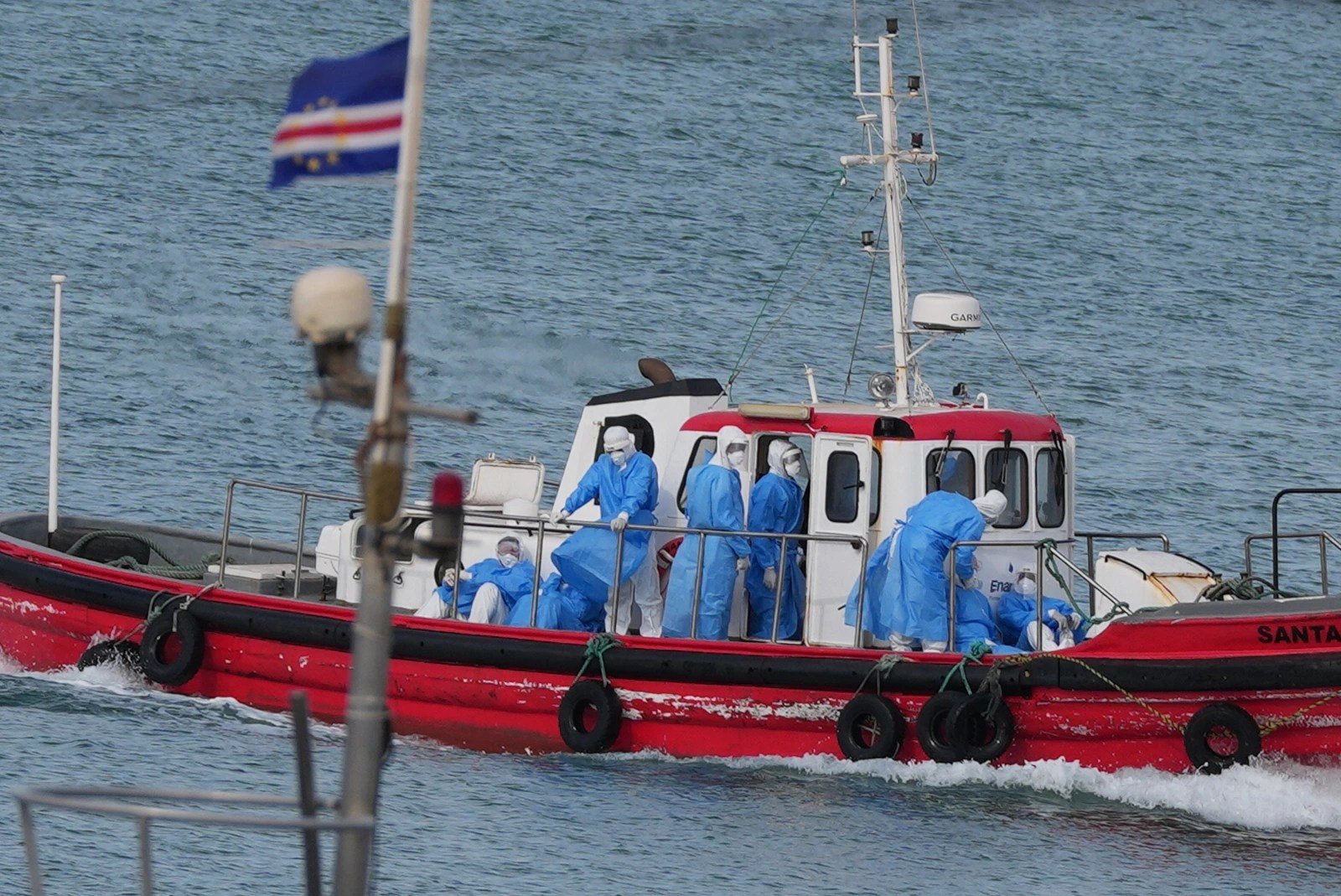
Australian Passengers Trapped in Hantavirus Horror: 42-Day Quarantine Nightmare Awaits
- Six Australians among 150 passengers on doomed MV Hondius cruise ship, where three have died and nine infected with deadly hantavirus
- Passengers face 42-day incubation period, with some showing symptoms similar to flu, but can rapidly deteriorate to severe respiratory failure
- Group to be flown to Perth on charter flight, before being transferred to remote Bullsbrook quarantine facility, despite concerns over crew availability
The six Australian passengers, including three from NSW and two from Queensland, were among the last to be evacuated from the MV Hondius, a luxury cruise ship turned hantavirus breeding ground.
The group, which also includes a Kiwi, was initially due to be medically evacuated from the Canary Islands, but a delayed Australian government-supported charter flight has left them facing a longer journey to Perth.
The MV Hondius, which set sail from South America, was meant to be a luxurious getaway for its 147 passengers and crew. Instead, it has become a floating biohazard, with three people dead and nine infected with the deadly hantavirus.

The virus, carried by rodents, can cause severe and often deadly disease in humans, with symptoms including fever, dizziness, and muscle aches, before rapidly deteriorating to severe respiratory failure and even cardiac shock.
The hantavirus outbreak has sent shockwaves around the world, with health experts scrambling to contain the spread of the virus.



The World Health Organisation (WHO) has warned that the Andes virus, found on the MV Hondius, can have limited human-to-human transmission, but the risk of transmission is still high.
The virus has a case fatality rate of up to 50 per cent, making it a rare and often deadly respiratory disease.
The Australian government has taken control of the quarantine arrangements for the six passengers, with Federal Health Minister Mark Butler announcing that they will be placed in the Bullsbrook Centre for National Resilience, a purpose-built quarantine facility in Perth.
The centre, which was built in 2022 as a COVID quarantine centre, has sat unused since, but will now be used to house the passengers for at least three weeks.
However, the quarantine period is shorter than the virus’ 42-day incubation period, raising concerns about the risk of transmission. Butler acknowledged that further quarantining may be necessary, saying that the government will seek further advice from chief health officers.
Analysis: What This Means for Australia
The hantavirus outbreak on the MV Hondius has serious implications for Australia’s national security and public health.
The fact that six Australians were on board the ship, and that the virus has a high case fatality rate, raises concerns about the risk of transmission in Australia.
The government’s decision to quarantine the passengers in Perth is a necessary step, but it also highlights the need for greater investment in Australia’s biosecurity measures.
Security analysts say that the hantavirus outbreak is a wake-up call for Australia’s health authorities, highlighting the need for greater preparedness and coordination in the face of emerging health threats.
The fact that the virus was able to spread on a luxury cruise ship, with passengers from around the world, raises concerns about the risk of transmission in Australia’s own communities.
Law enforcement insiders warn that the hantavirus outbreak also highlights the need for greater cooperation between governments and health authorities in the face of emerging health threats.
The fact that the virus was able to spread across international borders, with passengers from multiple countries infected, raises concerns about the risk of transmission in Australia’s own communities.
Industry observers believe that the hantavirus outbreak will have significant economic and social consequences for Australia, particularly in the tourism and hospitality sectors.
The fact that the virus was able to spread on a luxury cruise ship, with passengers from around the world, raises concerns about the risk of transmission in Australia’s own communities, and the potential impact on the country’s reputation as a safe and healthy destination.
The hantavirus outbreak on the MV Hondius is a stark reminder of the risks and uncertainties of the modern world.
As Australia navigates this complex and rapidly evolving health crisis, it is clear that the country’s national security, public health, and economic interests are all at stake.