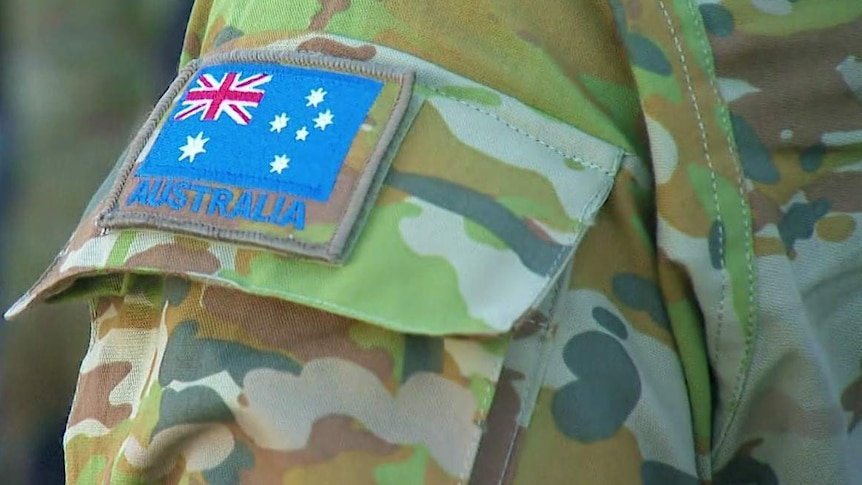
Cocaine Kingpin in the Ranks: Former Aussie Soldier’s Shocking Fall from Grace Exposed as He’s Sentenced to Five Years for Trafficking Drugs to Fellow Diggers
- A former Australian infantry soldier has been sentenced to five years in prison for trafficking cocaine to fellow soldiers, with a minimum of 12 months to be served behind bars.
- Jack Alex Cullen, 25, pleaded guilty to sourcing ounces of cocaine from suppliers and selling it to comrades, including at an army ball.
- The Cairns-born former soldier’s shocking downfall was exposed in the Supreme Court of Queensland, where he was described as a “young man from a good upbringing” who made a “terrible decision”.
- Cullen’s defence team claimed he sold drugs to feed his own cocaine habit, but the court heard he was selling wholesale quantities to other traffickers.
The sentencing of former Australian infantry soldier Jack Alex Cullen has sent shockwaves through the defence community, with the 25-year-old’s shocking fall from grace laid bare in the Supreme Court of Queensland.
Cullen pleaded guilty to trafficking cocaine, using a mobile phone in connection to drug trafficking, and receiving money associated with drug trafficking. His five-year prison sentence, suspended after 12 months, is a stark reminder of the devastating consequences of his actions.
Cullen’s downward spiral began when he failed a workplace drug test and was dishonourably discharged from the army.
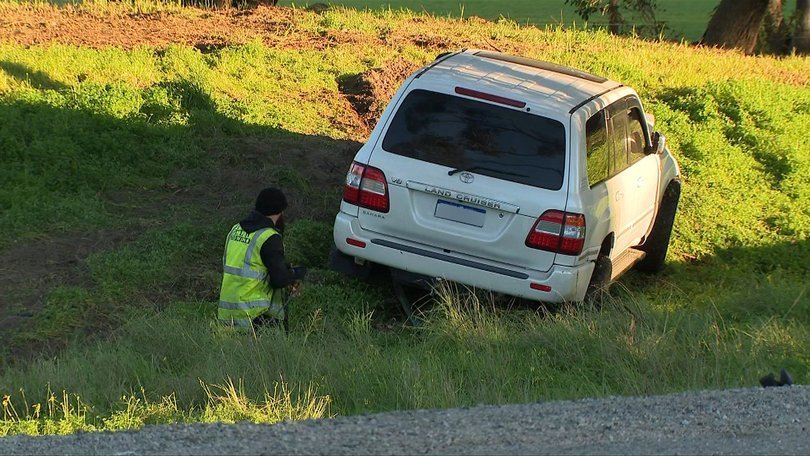
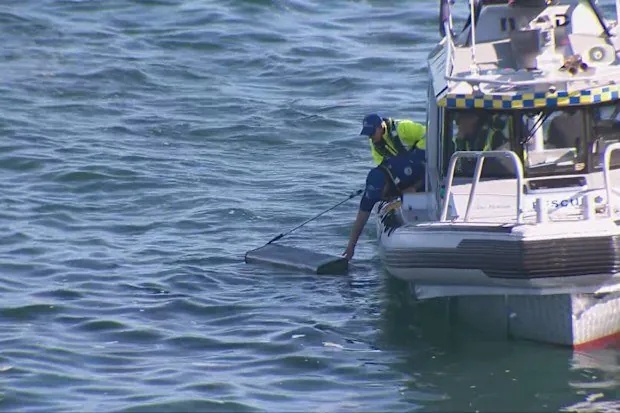
Just weeks later, police intercepted a payment he had made in the post, leading to a raid on his home and the discovery of encrypted messages detailing his drug purchases.
The messages revealed a request to purchase $80,000 worth of cocaine from a group of five suppliers, with Cullen successfully sourcing four ounces at a price of $27,000.


The court heard that Cullen sold quantities of cocaine as small as a gram and as large as an ounce, with two of his customers operating their own trafficking businesses.
Defence barrister Claire Grant KC claimed that Cullen’s profits were limited due to his personal use of the drug, stating that he sold cocaine to “fellow soldiers” and “at an army ball” on one occasion.
However, the prosecution argued that Cullen’s operation was more extensive, with Chief Justice Helen Bowskill noting that he was selling wholesale quantities to other traffickers.
Analysis: What This Means for AustraliaThe case raises serious concerns about the prevalence of illicit substances within the defence force and the potential for trafficking operations to flourish in the shadows.
Security analysts say that the ease with which Cullen was able to source and distribute cocaine highlights a worrying lack of oversight and accountability within the military.
Law enforcement insiders warn that the case is likely the tip of the iceberg, with many more cases of drug trafficking and corruption likely to emerge in the coming months.
The economic and social consequences of Cullen’s actions are also significant.
The cocaine trade is estimated to be worth billions of dollars in Australia each year, with the majority of that money lining the pockets of organised crime groups.
By selling cocaine to fellow soldiers, Cullen was not only perpetuating a culture of addiction and harm but also contributing to the profits of these groups.
As the Australian government continues to grapple with the issue of illicit substances within the defence force, the case of Jack Alex Cullen serves as a stark reminder of the need for increased vigilance and accountability.
The question remains: how many more Cullens are out there, operating in the shadows and putting the safety and security of our soldiers at risk?
The case has also sparked concerns about the impact of traumatic experiences on veterans, with many struggling to cope with the physical and emotional toll of service.
Industry observers believe that the government must do more to support veterans, providing them with access to rehabilitation and support services to prevent them from turning to drugs and other forms of self-destructive behaviour.
As Cullen begins his 12-month prison sentence, the Australian public is left to ponder the consequences of his actions and the need for greater accountability within the defence force.
The case serves as a sobering reminder of the devastating consequences of drug trafficking and the importance of addressing the root causes of addiction and harm.
The sentencing of former Australian infantry soldier Jack Alex Cullen has sent shockwaves through the defence community, with the 25-year-old’s shocking fall from grace laid bare in the Supreme Court of Queensland. Cullen pleaded guilty to trafficking cocaine, using a mobile phone in connection to drug trafficking, and receiving money associated with drug trafficking. His five-year prison sentence, suspended after 12 months, is a stark reminder of the devastating consequences of his actions.
Cullen’s downward spiral began when he failed a workplace drug test and was dishonourably discharged from the army. Just weeks later, police intercepted a payment he had made in the post, leading to a raid on his home and the discovery of encrypted messages detailing his drug purchases. The messages revealed a request to purchase $80,000 worth of cocaine from a group of five suppliers, with Cullen successfully sourcing four ounces at a price of $27,000.
The court heard that Cullen sold quantities of cocaine as small as a gram and as large as an ounce, with two of his customers operating their own trafficking businesses. Defence barrister Claire Grant KC claimed that Cullen’s profits were limited due to his personal use of the drug, stating that he sold cocaine to “fellow soldiers” and “at an army ball” on one occasion. However, the prosecution argued that Cullen’s operation was more extensive, with Chief Justice Helen Bowskill noting that he was selling wholesale quantities to other traffickers.
The case raises serious concerns about the prevalence of illicit substances within the defence force and the potential for trafficking operations to flourish in the shadows. Security analysts say that the ease with which Cullen was able to source and distribute cocaine highlights a worrying lack of oversight and accountability within the military. Law enforcement insiders warn that the case is likely the tip of the iceberg, with many more cases of drug trafficking and corruption likely to emerge in the coming months.
The economic and social consequences of Cullen’s actions are also significant. The cocaine trade is estimated to be worth billions of dollars in Australia each year, with the majority of that money lining the pockets of organised crime groups. By selling cocaine to fellow soldiers, Cullen was not only perpetuating a culture of addiction and harm but also contributing to the profits of these groups.
As the Australian government continues to grapple with the issue of illicit substances within the defence force, the case of Jack Alex Cullen serves as a stark reminder of the need for increased vigilance and accountability. The question remains: how many more Cullens are out there, operating in the shadows and putting the safety and security of our soldiers at risk?
The case has also sparked concerns about the impact of traumatic experiences on veterans, with many struggling to cope with the physical and emotional toll of service. Industry observers believe that the government must do more to support veterans, providing them with access to rehabilitation and support services to prevent them from turning to drugs and other forms of self-destructive behaviour.
As Cullen begins his 12-month prison sentence, the Australian public is left to ponder the consequences of his actions and the need for greater accountability within the defence force. The case serves as a sobering reminder of the devastating consequences of drug trafficking and the importance of addressing the root causes of addiction and harm.