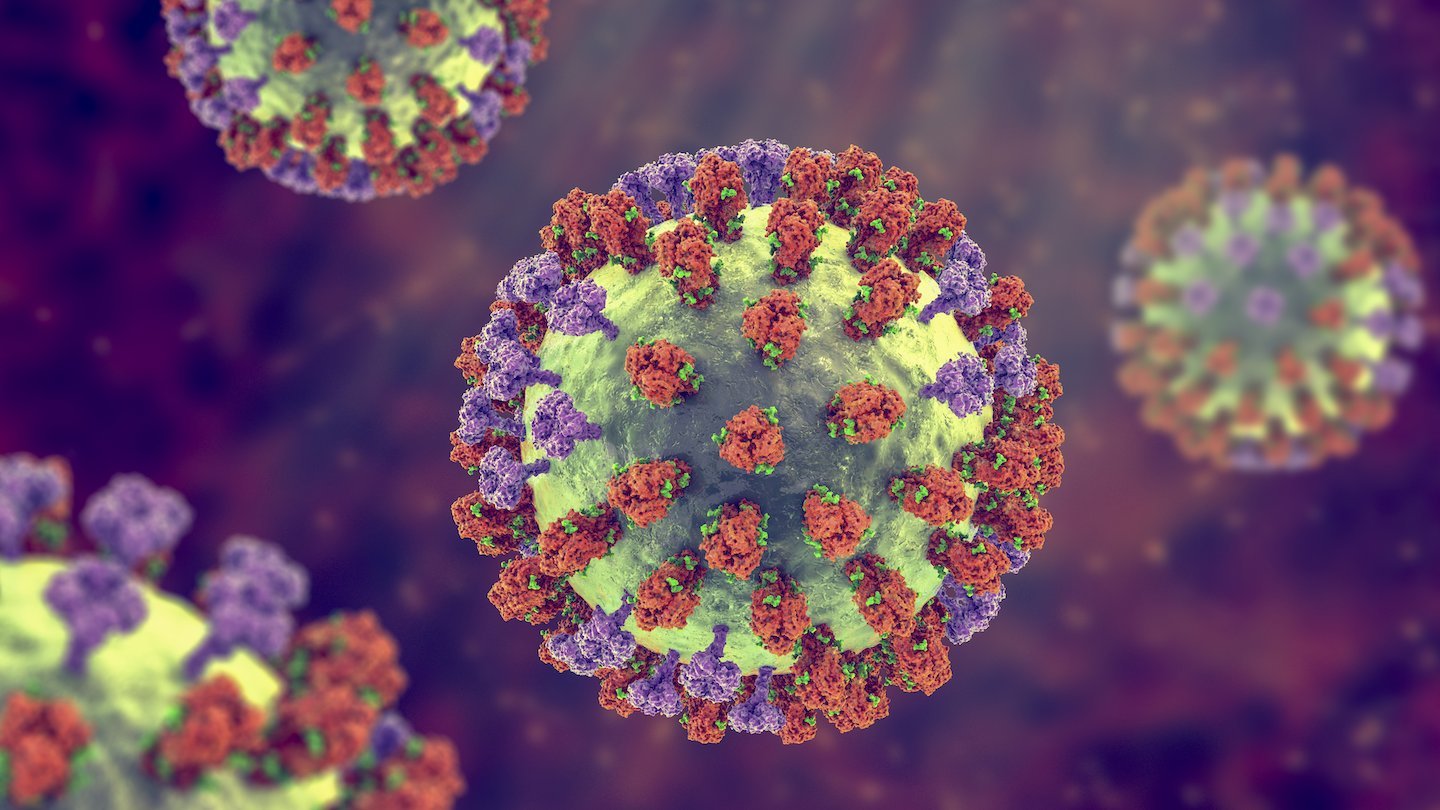
Hantavirus Horror: Australian Cruise Ship Passengers in Isolation as Deadly Andes Strain Sparks Fear of Human-to-Human Transmission
- At least 11 passengers from the MV Hondius cruise ship have contracted the deadly Andes strain of hantavirus, with one French woman critically ill and on life support
- Experts warn the virus may be more contagious than thought, with some cases reported without prolonged exposure to infected individuals
- Cruise ships are notorious breeding grounds for infectious diseases, with close quarters and shared facilities creating a perfect storm for outbreaks
- As Australia’s health authorities monitor the situation, experts say there’s still much to learn about the virus and its transmission methods
The MV Hondius cruise ship has become a floating incubator for the deadly Andes strain of hantavirus, with at least 11 passengers infected and one critically ill in a Paris hospital.
The outbreak has sparked fears of human-to-human transmission, with some experts warning that the virus may be more contagious than previously thought.
According to Dr Ashish Jha, a senior fellow at Harvard University’s Kennedy School, “What we’re hearing now, including from the doctors who were on the ship, is that at least a few people contracted it without that long, prolonged exposure that we’ve always assumed.” This revelation has raised concerns about the potential for widespread transmission, particularly in high-risk environments like cruise ships.
Cruise ships are notorious for infectious disease outbreaks due to their unique combination of close quarters, shared facilities, and diverse passenger populations.
“That is definitely different than how we live most of the time,” said Dr Brendan Jackson, acting director of the high-consequence pathogens and pathology division at the Centers for Disease Control and Prevention.




The Andes strain of hantavirus, which is known to spread among people, has never before been linked to a cruise ship outbreak.
Analysis: What This Means for Australia
The hantavirus outbreak on the MV Hondius has significant implications for Australia’s public health and national security. As the country’s health authorities monitor the situation, experts warn that the risk of human-to-human transmission cannot be ignored.
“It’s very difficult to spread, but it’s not impossible,” said Dr David Fitter, head of the Centre for Disease Control Division of Global Migration Health at Emory University Hospital.
The Australian government must take a proactive approach to preventing the spread of the virus, particularly in high-risk environments like cruise ships and airports.
Security analysts say that the outbreak highlights the need for enhanced biosecurity measures at Australia’s ports and borders. “The risk of infectious disease transmission is a major concern for our national security,” said one expert.
“We need to be prepared to respond quickly and effectively to outbreaks like this to prevent widespread transmission.”
Law enforcement insiders warn that the outbreak also raises concerns about the potential for deliberate transmission of the virus. “We need to be vigilant about the potential for bioterrorism,” said one source.
“The hantavirus outbreak is a wake-up call for our authorities to take biosecurity seriously.”
As the situation continues to unfold, Australian authorities must prioritize public health and national security. The hantavirus outbreak on the MV Hondius is a stark reminder of the risks and challenges posed by infectious diseases in the modern era.
Experts believe that the Andes strain of hantavirus is unlikely to spread widely, but the risk cannot be ignored. “We’re very early in this outbreak,” said Dr Jackson.
“The risk to the public is very, very low at this time, but that doesn’t mean we’re letting our guard down.”
As the world watches the situation unfold, one thing is clear: the hantavirus outbreak on the MV Hondius is a sobering reminder of the importance of vigilance and preparedness in the face of infectious disease threats.