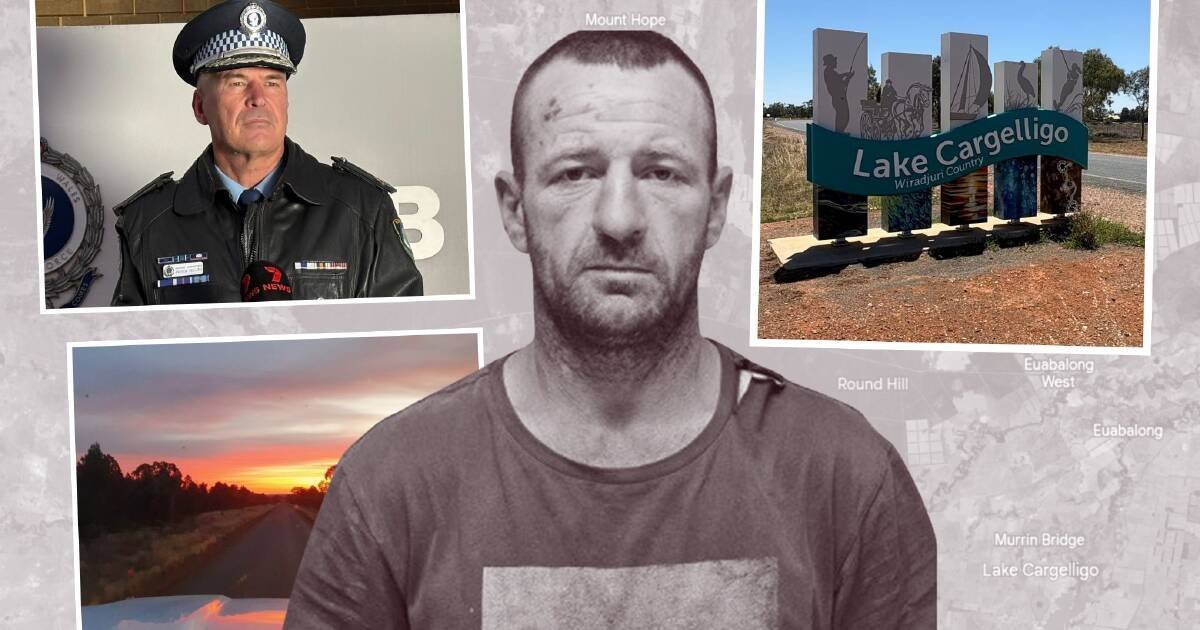
Triple Murderer’s Twisted Trail of Terror Ends in Apparent Suicide: Inside the Shocking Discovery of Julian Ingram’s Body
- Police confirm a body found in a NSW nature reserve is believed to be that of triple murderer Julian Ingram, who had been on the run for months
- Ingram, 37, is accused of shooting and killing three people, including his pregnant ex-partner, in a brutal massacre in January
- The body was discovered in a remote area, sparking hopes that the community can finally find closure after a lengthy and traumatic search
- Forensic investigators will examine the car and two guns found at the scene, including a shotgun, as police piece together Ingram’s final days
The discovery of a body in a remote NSW nature reserve has brought a sense of closure to a community gripped by fear and uncertainty. Police believe the body is that of Julian Ingram, the 37-year-old triple murderer who had been on the run for months.
Ingram’s brutal killing spree in January left three people dead, including his pregnant ex-partner, and a fourth person fighting for their life.
The body was found next to a white Ford Ranger ute in the Round Hill Nature Reserve, about 50km north-west of Lake Cargelligo in NSW’s central west.
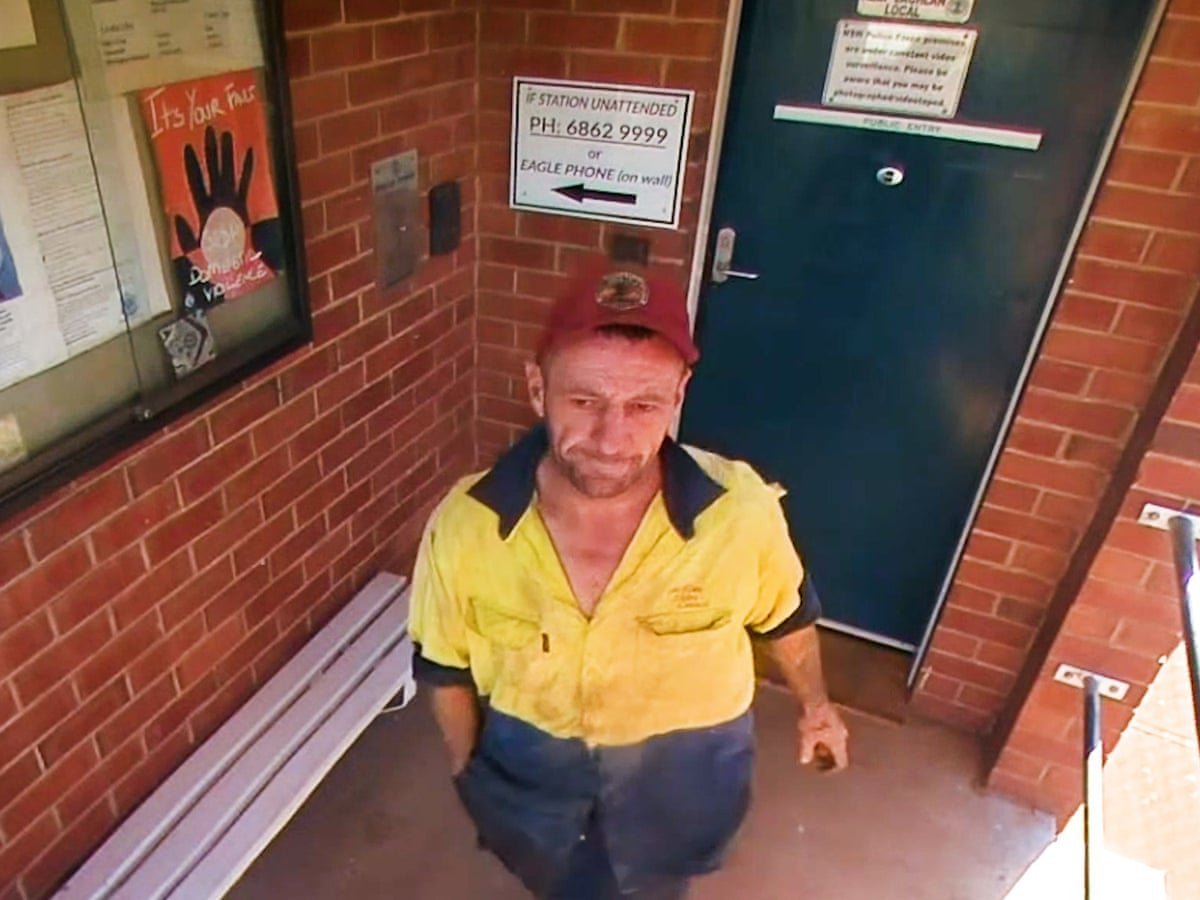
National park workers stumbled upon the gruesome discovery on Monday, and police were quick to respond.
Assistant police commissioner Andrew Holland said the body had been at the location for an “extended period of time” and was in a state of decomposition.
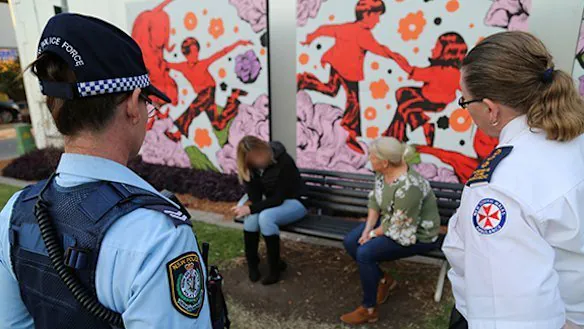
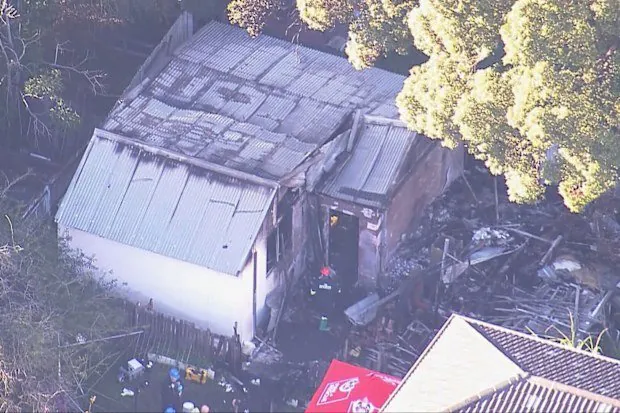

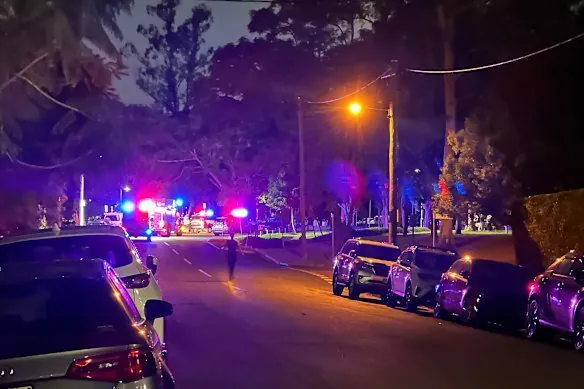
However, a driver’s licence, the make of the car, and the clothes worn by the deceased person left police confident that the body belonged to Ingram.
The search for Ingram was one of the largest and most extensive in Australian history, with police scouring over 60,000 square acres of land.
The investigation focused on several areas, including the Nombinnie Nature Reserve, with police believing that someone may have been helping Ingram avoid capture as recently as March.
Holland said the body was found in an area between two major search areas that had not been searched.
“We’re hoping that in a few days we will be able to confirm that the body of the deceased is that of Julian Ingram,” Holland said.
The discovery of the body has brought a sense of relief to the community, which has been living in fear of Ingram’s capture. The search effort was a massive undertaking, with police working tirelessly to track down the triple murderer.
Holland said he hoped the discovery of the body would help the town find a sense of closure.
“We’re working with the community and council to help local people understand that this matter is now closed, and hopefully we can get back to some normality,” he said.
Analysis: What This Means for AustraliaThe discovery of Julian Ingram’s body raises questions about the effectiveness of Australia’s law enforcement and border control measures.
How was Ingram able to evade capture for so long, and what does this say about the country’s ability to track down and apprehend dangerous criminals?
Security analysts say that the case highlights the need for greater resources and investment in rural policing. “The fact that Ingram was able to hide in plain sight for so long is a concern,” said one expert.
“It shows that there are still gaps in our system that need to be addressed.”
The case also raises questions about the impact of domestic violence on Australian communities.
Ingram’s killing spree was motivated by a twisted desire for revenge against his ex-partner and her family. Experts say that the case highlights the need for greater support and resources for victims of domestic violence.
“This case is a tragic reminder of the devastating consequences of domestic violence,” said a spokesperson for a leading domestic violence support group.
“We need to do more to support victims and prevent these kinds of tragedies from happening in the future.”
As the community begins to heal and come to terms with the discovery of Ingram’s body, questions will continue to be asked about how this could have happened.
The case is a stark reminder of the dangers of domestic violence and the need for greater investment in law enforcement and community support services.
The discovery of a body in a remote NSW nature reserve has brought a sense of closure to a community gripped by fear and uncertainty. Police believe the body is that of Julian Ingram, the 37-year-old triple murderer who had been on the run for months. Ingram’s brutal killing spree in January left three people dead, including his pregnant ex-partner, and a fourth person fighting for their life.
The body was found next to a white Ford Ranger ute in the Round Hill Nature Reserve, about 50km north-west of Lake Cargelligo in NSW’s central west. National park workers stumbled upon the gruesome discovery on Monday, and police were quick to respond. Assistant police commissioner Andrew Holland said the body had been at the location for an “extended period of time” and was in a state of decomposition. However, a driver’s licence, the make of the car, and the clothes worn by the deceased person left police confident that the body belonged to Ingram.
The search for Ingram was one of the largest and most extensive in Australian history, with police scouring over 60,000 square acres of land. The investigation focused on several areas, including the Nombinnie Nature Reserve, with police believing that someone may have been helping Ingram avoid capture as recently as March. Holland said the body was found in an area between two major search areas that had not been searched. “We’re hoping that in a few days we will be able to confirm that the body of the deceased is that of Julian Ingram,” Holland said.
The discovery of the body has brought a sense of relief to the community, which has been living in fear of Ingram’s capture. The search effort was a massive undertaking, with police working tirelessly to track down the triple murderer. Holland said he hoped the discovery of the body would help the town find a sense of closure. “We’re working with the community and council to help local people understand that this matter is now closed, and hopefully we can get back to some normality,” he said.
The discovery of Julian Ingram’s body raises questions about the effectiveness of Australia’s law enforcement and border control measures. How was Ingram able to evade capture for so long, and what does this say about the country’s ability to track down and apprehend dangerous criminals? Security analysts say that the case highlights the need for greater resources and investment in rural policing. “The fact that Ingram was able to hide in plain sight for so long is a concern,” said one expert. “It shows that there are still gaps in our system that need to be addressed.”
The case also raises questions about the impact of domestic violence on Australian communities. Ingram’s killing spree was motivated by a twisted desire for revenge against his ex-partner and her family. Experts say that the case highlights the need for greater support and resources for victims of domestic violence. “This case is a tragic reminder of the devastating consequences of domestic violence,” said a spokesperson for a leading domestic violence support group. “We need to do more to support victims and prevent these kinds of tragedies from happening in the future.”
As the community begins to heal and come to terms with the discovery of Ingram’s body, questions will continue to be asked about how this could have happened. The case is a stark reminder of the dangers of domestic violence and the need for greater investment in law enforcement and community support services.