Tasmania’s Debt Bombshell: $1.5 Billion in Cuts to Balance the Books as Treasurer Eric Abetz Vows to ‘Turbo-Charge’ Economy
- Tasmania’s Treasurer Eric Abetz has unveiled a budget slashing $1.5 billion in spending over four years to balance the state’s books.
- The state’s debt is expected to hit $8.4 billion in the first year of this budget and peak in 2028-29.
- 1,700 jobs are on the chopping block as the government aims to slash the workforce through natural attrition, negotiated voluntary redundancies and workforce renewal.
- The budget includes a $28.3 million boost for the West Coast Wilderness Railway and $2.1 million to improve accessibility at Launceston’s Elphin Sports Centre.
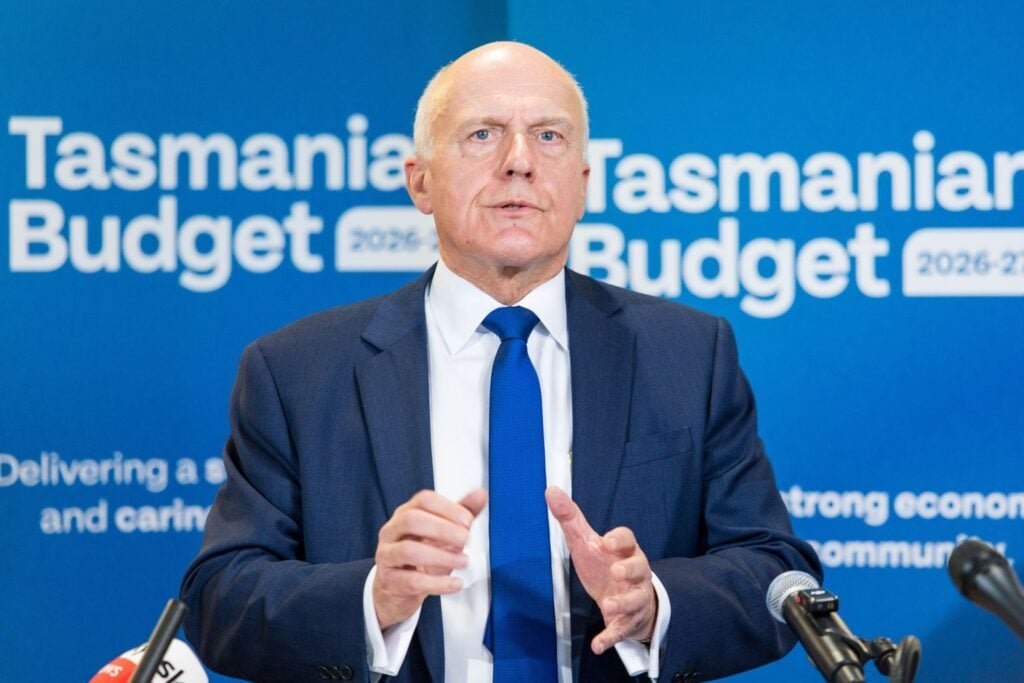
The Treasurer’s speech to parliament was laced with biblical references, as he declared that “there is a season for most things” and that the time for deficit budgeting is over.
Mr Abetz is determined to rein in the state’s debt, which is expected to hit $8.4 billion in the first year of this budget and peak in 2028-29.
The state’s government departments will be tasked with finding $1.5 billion in cuts over four years, with the focus on the bureaucracy.
One thousand seven hundred jobs are on the chopping block, with the government aiming to slash the workforce through natural attrition, negotiated voluntary redundancies and workforce renewal.
The budget outlines a fiscal strategy to help the government tackle the state’s growing debt, with certain target figures it wants to reach by 2032.

The government wants to reduce the cost of servicing debt to 7 per cent (it’s 8.2 per cent this year) and reduce employee expenses from their current level of 45.7 per cent to less than 44 per cent.
But the budget has been met with concerns about the impact on public services and the economy. The opposition has slammed the cuts, saying they will hurt the most vulnerable members of society.
As the state’s debt continues to balloon, the government is under pressure to take drastic action. The budget includes a range of measures to cut spending and increase revenue, including a review of education delivery and a fees and charges review.
Analysis: What This Means for AustraliaThe Tasmanian budget has significant implications for the national economy.
The state’s debt is a ticking time bomb, and the government’s attempts to rein it in will have a ripple effect across the country. The cuts to public services will have a disproportionate impact on vulnerable members of society, including low-income families and those with disabilities.
The opposition has slammed the budget, saying it will hurt the most vulnerable members of society. The budget also raises concerns about the state’s ability to attract investment and create jobs.
The government’s focus on cutting spending and increasing revenue may make it difficult for businesses to operate in the state.
However, the budget also includes some positive measures, such as the $28.3 million boost for the West Coast Wilderness Railway and the $2.1 million to improve accessibility at Launceston’s Elphin Sports Centre.
Security analysts say that the budget is a step in the right direction, but more needs to be done to address the state’s debt and stimulate economic growth.
“The government needs to take a more comprehensive approach to addressing the state’s debt and stimulating economic growth,” said one analyst.
“This budget is a good start, but it’s just the beginning.”
The budget has also been welcomed by industry insiders, who say it will help to stimulate investment and create jobs.
“The government’s commitment to reducing debt and stimulating economic growth is a positive step forward,” said one industry insider.
“We look forward to working with the government to make the most of this budget.”
As the state’s debt continues to balloon, the government is under pressure to take drastic action.
The budget is a step in the right direction, but more needs to be done to address the state’s debt and stimulate economic growth. In conclusion, the Tasmanian budget is a complex and multifaceted document that raises a range of concerns and opportunities.
While the government’s attempts to rein in the state’s debt are welcome, the impact on public services and the economy will be significant. As the state’s debt continues to balloon, the government is under pressure to take drastic action to stimulate economic growth and create jobs.
The Treasurer’s speech to parliament was laced with biblical references, as he declared that “there is a season for most things” and that the time for deficit budgeting is over. Mr Abetz is determined to rein in the state’s debt, which is expected to hit $8.4 billion in the first year of this budget and peak in 2028-29.
The state’s government departments will be tasked with finding $1.5 billion in cuts over four years, with the focus on the bureaucracy. One thousand seven hundred jobs are on the chopping block, with the government aiming to slash the workforce through natural attrition, negotiated voluntary redundancies and workforce renewal.
The budget outlines a fiscal strategy to help the government tackle the state’s growing debt, with certain target figures it wants to reach by 2032. The government wants to reduce the cost of servicing debt to 7 per cent (it’s 8.2 per cent this year) and reduce employee expenses from their current level of 45.7 per cent to less than 44 per cent.
But the budget has been met with concerns about the impact on public services and the economy. The opposition has slammed the cuts, saying they will hurt the most vulnerable members of society.
As the state’s debt continues to balloon, the government is under pressure to take drastic action. The budget includes a range of measures to cut spending and increase revenue, including a review of education delivery and a fees and charges review.
The Tasmanian budget has significant implications for the national economy. The state’s debt is a ticking time bomb, and the government’s attempts to rein it in will have a ripple effect across the country.
The cuts to public services will have a disproportionate impact on vulnerable members of society, including low-income families and those with disabilities. The opposition has slammed the budget, saying it will hurt the most vulnerable members of society.
The budget also raises concerns about the state’s ability to attract investment and create jobs. The government’s focus on cutting spending and increasing revenue may make it difficult for businesses to operate in the state.
However, the budget also includes some positive measures, such as the $28.3 million boost for the West Coast Wilderness Railway and the $2.1 million to improve accessibility at Launceston’s Elphin Sports Centre.
Security analysts say that the budget is a step in the right direction, but more needs to be done to address the state’s debt and stimulate economic growth. “The government needs to take a more comprehensive approach to addressing the state’s debt and stimulating economic growth,” said one analyst. “This budget is a good start, but it’s just the beginning.”
The budget has also been welcomed by industry insiders, who say it will help to stimulate investment and create jobs. “The government’s commitment to reducing debt and stimulating economic growth is a positive step forward,” said one industry insider. “We look forward to working with the government to make the most of this budget.”
As the state’s debt continues to balloon, the government is under pressure to take drastic action. The budget is a step in the right direction, but more needs to be done to address the state’s debt and stimulate economic growth.
In conclusion, the Tasmanian budget is a complex and multifaceted document that raises a range of concerns and opportunities. While the government’s attempts to rein in the state’s debt are welcome, the impact on public services and the economy will be significant. As the state’s debt continues to balloon, the government is under pressure to take drastic action to stimulate economic growth and create jobs.