
Is Australia on the Brink of a Revolutionary Shift in Politics as One Nation Surges to Record Highs?
- A shocking new poll reveals One Nation has eclipsed Labor for the first time, with 28% of primary support, sparking fears of a hung parliament and a fundamental change to the country’s two-party system.
- The surge in support for Pauline Hanson’s party has left the Coalition trailing in third place with just 23% of the vote, raising questions about the future of Australian politics.
- Experts warn that the rise of One Nation is not just a flash in the pan, but a symptom of a deeper shift in the country’s politics, driven by voter discontent with the major parties.
- The poll results have sparked fears of a “fractured right” and a new era of minority government, with One Nation holding the balance of power.
The latest polling numbers from DemosAu have sent shockwaves through the Australian political establishment, revealing a seismic shift in voter sentiment that could have far-reaching consequences for the country’s two-party system.
With One Nation surging to a record high of 28% primary support, eclipsing Labor for the first time, the possibility of a hung parliament at the next federal election is now a very real prospect.
According to DemosAu research director George Hasanakos, the numbers suggest that Australia is headed for a fundamentally different kind of minority government, one that will require a more complex and nuanced approach to coalition-building.
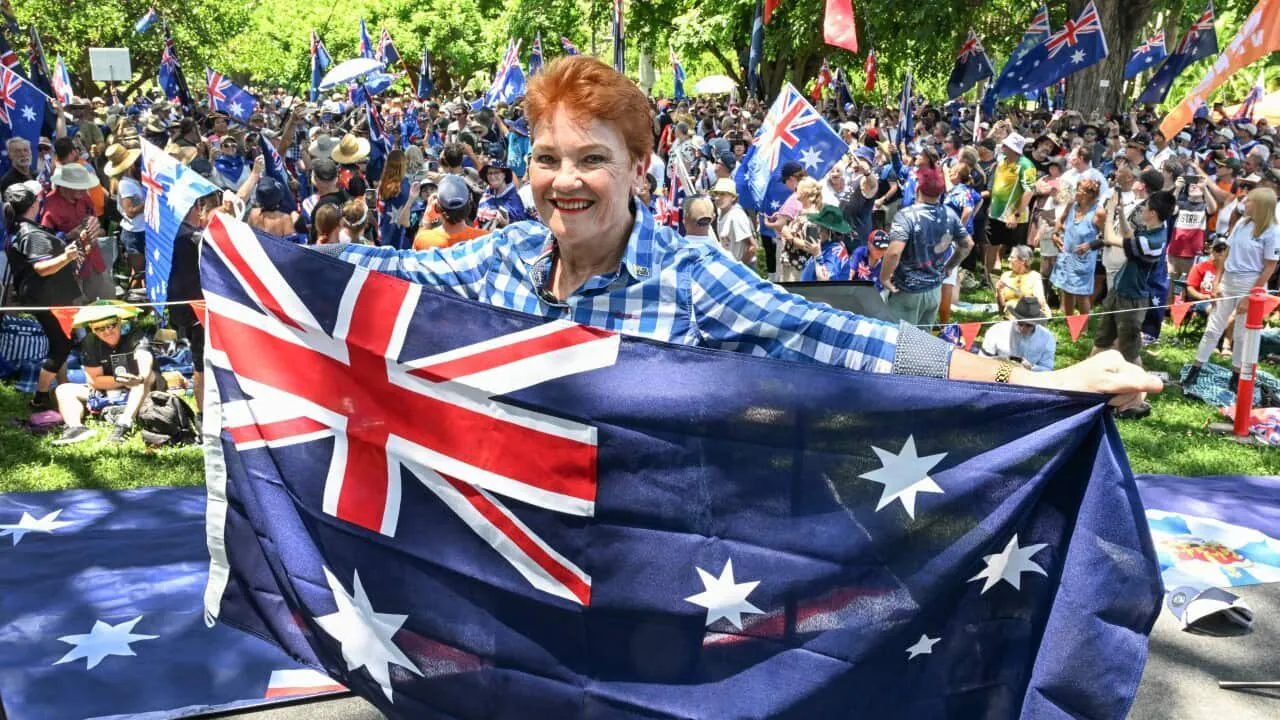
“The days of the major parties relying on minor parties and independents to govern are behind us,” he warned. “We’re seeing a more fractured right, with voters of all persuasions turning to populist ideas and parties that speak to their concerns.”
But what’s driving this surge in support for One Nation? University of Canberra historian Frank Bongiorno believes that the party’s stance on wages is a key factor, attracting voters who might traditionally have supported Labor.
“One Nation is tapping into a sense of economic insecurity and discontent that’s been building since the 2008 global financial crisis,” he explained. “Their ability to continue disrupting the political sphere will depend on whether they can stabilise internally ahead of the next election.”
The implications of this shift are profound, with potential consequences for national security, economic policy, and social cohesion.
As one security analyst noted, “A hung parliament with One Nation holding the balance of power could lead to a more unpredictable and volatile political landscape, making it harder for Australia to project a clear and consistent message on the world stage.”
Analysis: What This Means for Australia
The rise of One Nation is not just a domestic issue, but also has significant implications for Australia’s international relationships and national security.
As the country’s politics becomes increasingly fractured, it may become harder for Australia to present a united front on key issues like trade, defence, and climate change.
This could have serious consequences for the country’s economic prospects and its ability to navigate an increasingly complex and uncertain global landscape.
Law enforcement insiders also warn that the surge in support for One Nation could have implications for community safety and cohesion.
“As One Nation’s influence grows, we may see a rise in extremist rhetoric and a further polarisation of the debate around issues like immigration and national identity,” one expert noted.
So what’s next for Australian politics? With the next federal election not expected until May 2028, there’s still plenty of time for the polls to fluctuate.
But one thing is clear: the country is on the cusp of a fundamental shift in its politics, one that will require a new kind of leadership and a more nuanced approach to coalition-building.
As Bongiorno noted, “The budget released by Labor was designed to engage voters who feel shut out of economic prospects, but it may have inadvertently played into One Nation’s hands.
The real question is, what’s next for the major parties, and how will they adapt to this new landscape?”