Shocking Twist in Amputation Case: ‘Banana Picker’ Sentenced to 9 Years for Fatal Circular Saw Attack on Schizophrenic Pensioner
- A mentally ill pensioner’s desperate bid for relief from chronic pain ended in tragic death after a banana picker amputated his leg with a circular saw in a public park.
- The victim’s family has spoken out about their horror and despair at the lack of care their loved one received before his death, saying he was a “good, functioning human being” who needed help.
- The attacker, John Yalu, has been sentenced to 9 years in prison for manslaughter and will be deported to Vanuatu after his release.
- The case has raised questions about the treatment of mentally ill individuals and the exploitation of vulnerable people by those seeking to profit from their desperation.
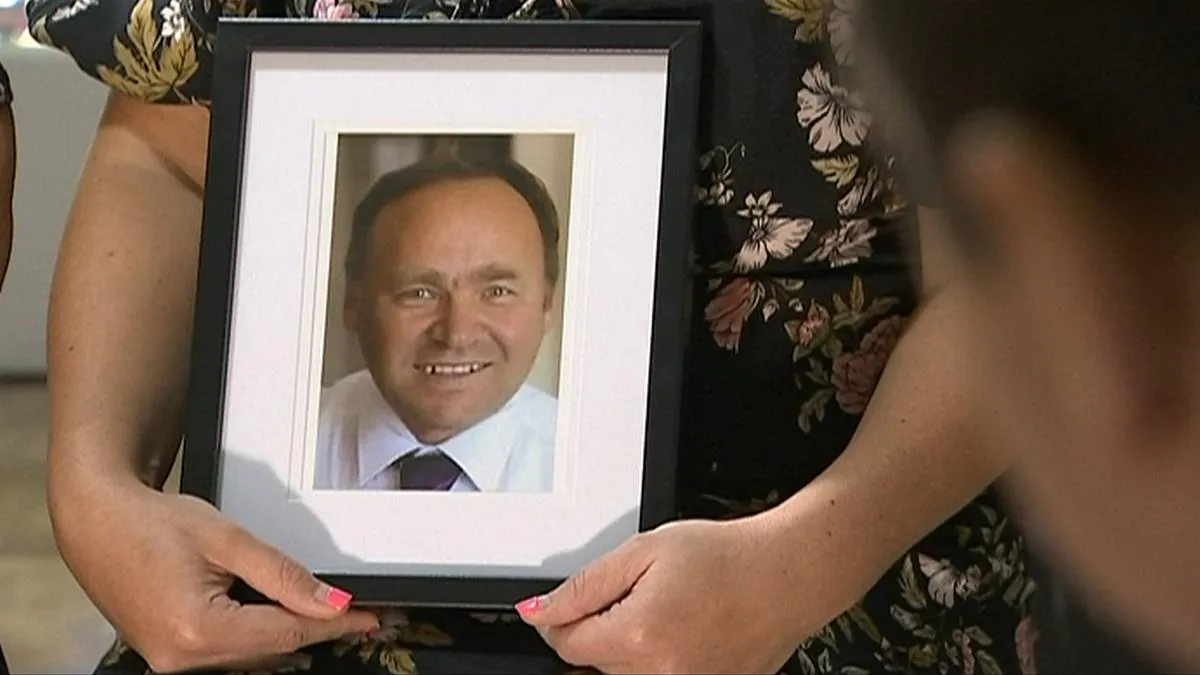
The shocking case of Kalman Tal, a 66-year-old pensioner who died after paying a banana picker $5,000 to amputate his leg with a circular saw, has left a community reeling and a family in despair.
John Yalu, the man responsible for the fatal amputation, was sentenced to 9 years in prison for manslaughter after being found guilty of the crime. Yalu, who was acquitted of murder, had agreed to amputate Tal’s leg at the ankle but panicked and walked away as Tal bled to death.
During the trial, the court heard that Tal had been approaching people in Innisfail for several weeks, offering to pay cash for an amputation, claiming that doctors had been unable to cure chronic pain in his left leg.
Yalu, who had been working on banana farms in the area, agreed to carry out the amputation in a public park.
Tal’s family has expressed their horror and despair at the lack of care their loved one received before his death. In a series of emotional victim impact statements, they described Tal as a “good, functioning human being” who needed help and support.




“He was a devoted family man who had schizophrenia,” said Tal’s younger sister, Eve Uhlmann.
“We feel like there is no closure for us as there was so much we could’ve done to help him after our parents’ death — and we were more than willing — but that control was removed from us when he went north.”
Security analysts say that the case highlights the need for better support systems for mentally ill individuals and the importance of addressing the exploitation of vulnerable people by those seeking to profit from their desperation.
Law enforcement insiders warn that the case also raises concerns about the lack of oversight and regulation in the healthcare system, particularly when it comes to the treatment of mentally ill individuals.
Industry observers believe that the case is a wake-up call for the healthcare system and highlights the need for better training and resources for healthcare professionals to identify and support vulnerable individuals.
Analysis: What This Means for Australia
The case has significant implications for Australia’s healthcare system and raises questions about the treatment of mentally ill individuals.
The fact that Tal was able to approach multiple people and offer them cash for an amputation without being reported to authorities highlights the need for better support systems and oversight.
Furthermore, the case highlights the need for better regulation and oversight in the healthcare system to prevent the exploitation of vulnerable individuals.
The fact that Yalu was able to carry out the amputation without any medical training or qualifications raises serious concerns about the lack of regulation in the healthcare system.
The case also raises questions about the role of immigration and border control in preventing the exploitation of vulnerable individuals. Yalu, who was working in Australia on a temporary visa, was able to carry out the amputation without being detected by authorities.
In conclusion, the case of Kalman Tal is a shocking reminder of the need for better support systems, regulation, and oversight in the healthcare system. It highlights the importance of addressing the exploitation of vulnerable individuals and the need for better training and resources for healthcare professionals.