Police Closing In on Accomplices of Cop-Killer Dezi Freeman as Two Men Arrested Over His Seven-Month Manhunt
- Two men, aged 48 and 35, arrested in Victoria’s north-east over their alleged involvement in Dezi Freeman’s seven-month manhunt
- Freeman shot dead two police officers, Neal Thompson and Vadim de Waart-Hottart, in August 2025 before being killed by police in March 2026
- Coroner’s investigation reveals Freeman was part of a growing movement of sovereign citizens who reject Australia’s government and laws
- Police probe into Freeman’s final moments suggests he received support from unknown individuals during his time on the run
Dezi Freeman’s death may have brought an end to his seven-month manhunt, but it has also raised more questions than answers. How did he manage to evade authorities for so long?
Who helped him survive in hiding? And what drove him to commit such heinous crimes?
As police investigate the movements of the cop-killer in the moments leading up to his death, two men have been arrested in Victoria’s north-east, bringing the total number of people implicated in his case to at least two.
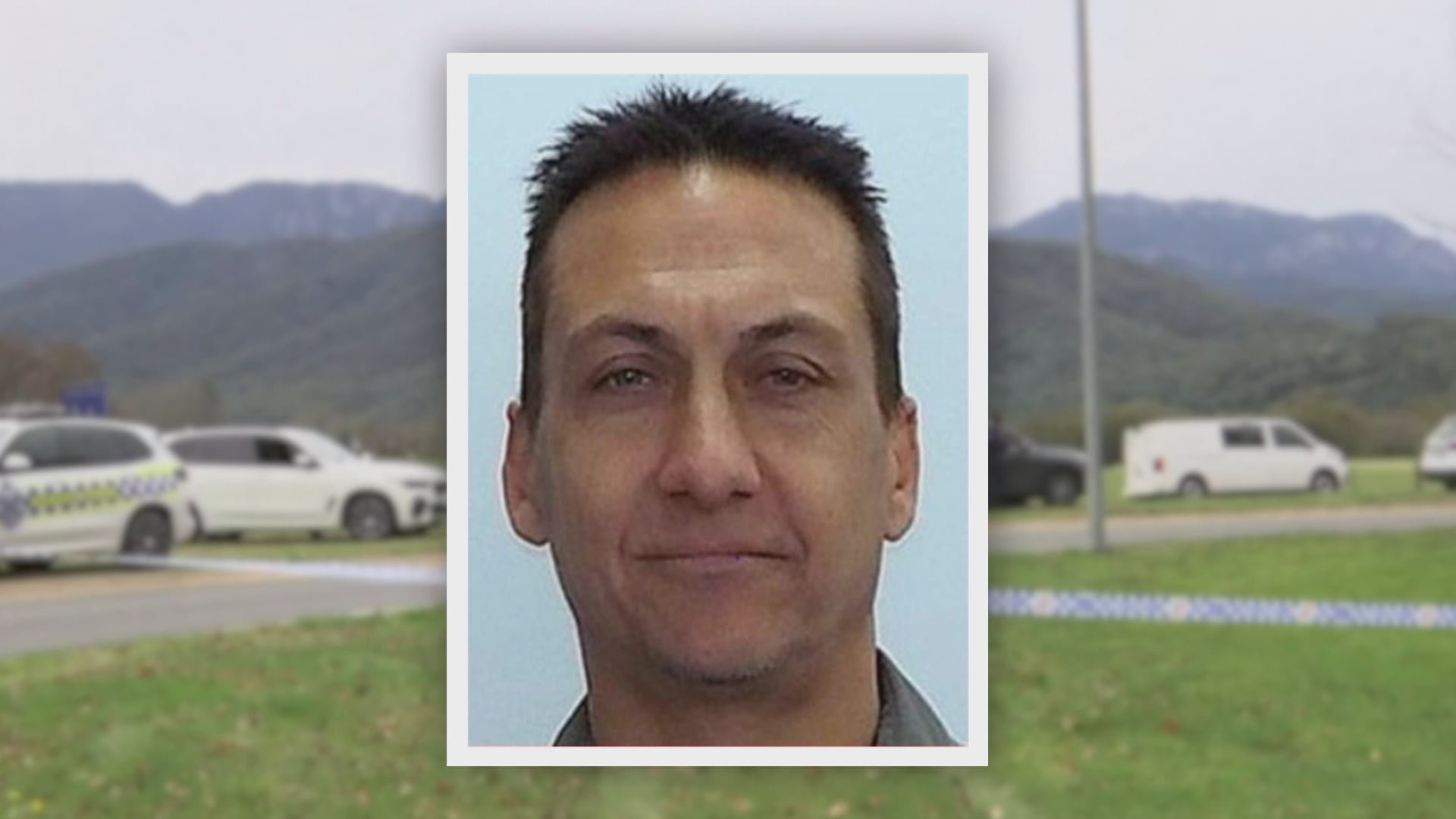
Freeman’s crimes were shocking. In August 2025, he shot and killed two police officers, Neal Thompson and Vadim de Waart-Hottart, when they arrived to execute a search warrant.
A third officer was seriously injured in the incident, shot in the leg. The incident sparked a massive manhunt, with Freeman going to ground and remaining on the run for seven long months.


It wasn’t until March 2026 that police finally tracked him down, and he was shot dead in a confrontation.
But Freeman’s story is not just one of violence and crime. It’s also a story of a man who rejected the very fabric of Australian society.
He was part of a growing movement of sovereign citizens, individuals who do not believe in the legitimacy of Australia’s government or laws. Despite this, Freeman was a long-term welfare recipient, receiving regular disability pension payments.
It’s a paradox that has left many scratching their heads.
Freeman’s involvement with the sovereign citizen movement was not just a passing interest. He was arrested in 2021 at a protest outside the Myrtleford Magistrates’ Court, where he and others failed to privately prosecute former premier Daniel Andrews.
He was also involved in the unsuccessful arrest of a magistrate using bogus “pseudo-law” tactics. It’s clear that Freeman had a deep-seated distrust of authority, and was willing to take drastic action to express it.
Analysis: What This Means for Australia
Freeman’s case has raised serious questions about the growing threat of sovereign citizens in Australia. While they may seem like a fringe group, their numbers are growing, and their ideologies are becoming increasingly radical.
Law enforcement agencies are struggling to keep up, and it’s clear that more needs to be done to address this issue.
Security analysts say that the sovereign citizen movement is a ticking time bomb, waiting to unleash its full fury on Australian society. “These individuals are not just rejecting the government and laws,” one analyst said.
“They’re rejecting the very fabric of our society. They believe they’re above the law, and that they can do whatever they want.
It’s a recipe for disaster.”
Law enforcement insiders warn that the movement is becoming increasingly sophisticated, using social media and other online platforms to spread their message and recruit new members.
“They’re using the same tactics as terrorist groups,” one insider said. “They’re spreading propaganda, recruiting new members, and planning their next move.
We need to take them seriously, before it’s too late.”
Industry observers believe that the government needs to take a harder line on sovereign citizens, and start treating them like the threat they are. “We can’t just sit back and let these individuals continue to spread their hatred and violence,” one observer said.
“We need to take action, and we need to take it now.”
As the investigation into Freeman’s final moments continues, one thing is clear: this is a wake-up call for Australia. We need to take the sovereign citizen movement seriously, and we need to take action to stop them.
The question is, will we act before it’s too late?