Koalas on the Brink: How Climate Change is Pushing Australia’s Beloved Icon to the Edge of Extinction
- A shocking new study reveals that koalas are 1.5 to 3.5 times more likely to die when temperatures soar above 30C, sparking fears for the future of the iconic species.
- Researchers warn that climate change is driving local extinctions in north-west NSW, with the population in Gunnedah already “functionally extinct” due to habitat fragmentation and disease.
- Experts say koalas are struggling to cope with extreme heat, with dehydration and malnutrition major concerns as the animals’ food sources dry up and become toxic.
- Australia’s koala population is considered endangered in NSW, QLD, and ACT, with urgent action needed to protect the species and its habitat.
Australia’s beloved koala is facing a desperate fight for survival as climate change pushes the iconic species to the brink of extinction.
A shocking new study has revealed that koalas are 1.5 to 3.5 times more likely to die when temperatures soar above 30C, sparking fears for the future of the marsupial.
The research, published in Biology Letters, analyzed 11,862 koala hospital admissions in NSW and found a clear link between temperature and mortality rates. When the seven-day average maximum temperature exceeded 27C, the risk of koala hospitalisations or death increased significantly.
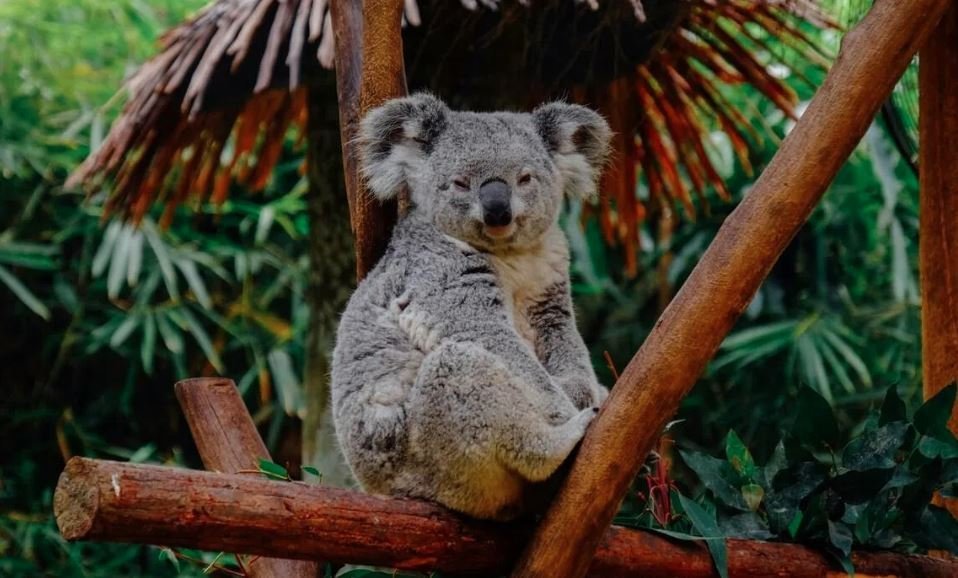
The study’s lead author, Valentina Mella, described the connection as “scary” and warned that climate change could drive local extinctions in north-west NSW.
Experts say koalas are struggling to cope with extreme heat, with dehydration and malnutrition major concerns as the animals’ food sources dry up and become toxic.



Koalas rely on eucalyptus leaves for water and nutrients, but when temperatures rise, the leaves reabsorb moisture, leaving the animals with a diet that is essentially “chewing cardboard”.
According to Dr Mella, koalas have a range of strategies to deal with hot weather, including panting, tree hugging, and producing concentrated urine. However, these strategies are not enough to combat the extreme heatwaves that are becoming more frequent due to climate change.
Analysis: What This Means for Australia
The decline of the koala population has significant implications for Australia’s ecosystem and biodiversity.
As a keystone species, koalas play a crucial role in maintaining the health of eucalyptus forests, which are a key component of the country’s native vegetation.
The loss of koalas could have a ripple effect throughout the ecosystem, leading to further extinctions and environmental degradation.
Furthermore, the decline of the koala population is a symptom of a broader environmental crisis in Australia. Climate change, habitat fragmentation, and disease are all major threats to the country’s unique wildlife, and urgent action is needed to address these issues.
Security analysts say that the decline of the koala population is a wake-up call for Australia to take action on climate change. “The science is clear: climate change is having a devastating impact on our wildlife and ecosystem,” said one analyst.
“We need to take immediate action to reduce our carbon emissions and protect our natural heritage.”
Law enforcement insiders warn that the trade in koalas and their habitats is also a major concern, with many animals being sold on the black market or having their habitats destroyed for development.
“We need to crack down on wildlife trafficking and habitat destruction if we want to protect the koala population,” said one insider.
Industry observers believe that the decline of the koala population will also have economic implications for Australia. Koalas are a major tourist attraction, and their decline could lead to a loss of revenue for local communities.
“The koala is an iconic Australian species, and its decline will have a significant impact on our tourism industry,” said one observer.
Experts say that there are steps that can be taken to protect the koala population, including the creation of climate refuges, the restoration of habitats, and the development of more nutritious food sources.
However, these efforts will require a coordinated approach from government, conservation groups, and local communities.
In the meantime, the future of the koala population hangs in the balance. As Dr Mella warned, “We need to act now to protect the koala population, or risk losing this iconic species forever.”
climate change conservation wildlife trafficking Australian Government Department of the Environment and Energy