
Melbourne Paralysed by Wild Winter Weather: ‘Crazy’ Storm Brings Flash Flooding, 80km/h Gusts and Snow to Victoria
- Wild winter weather lashed Melbourne, bringing severe warnings for damaging winds and flooding, causing traffic chaos and stranding drivers
- Forecasters warned the city could receive half a month’s rain in a single day, with the feels-like temperature staying below 10 degrees all morning
- The SES received over 100 callouts, with most for trees down, as the busiest units were around Ballarat and Warrnambool
- Alpine regions celebrated the wintry blast with Mount Hotham receiving 15cm of snow, and Mount Buller recording even thicker falls, as the ski season prepares to start
Melbourne’s first major hit of winter brought rain and wind gusts of almost 80km/h, sending the city into chaos. The wild weather caused widespread flooding across Melbourne’s streets, with some drivers pushing their luck through fast-moving floodwaters.
“I like it. Were you scared?
A little bit,” one van driver said after pushing his Toyota’s amphibious skills to the limit. The city recorded 13mm of rain, while Ballarat copped 27mm, with the rain arriving later than expected but delivering up to 25mm in some areas.
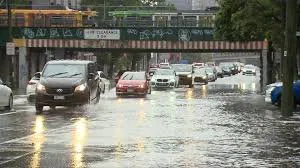
The severe weather caused significant traffic chaos and flooding across the city, with the SES called in to rescue drivers stranded in flash flooding. Dudley Street in South Melbourne was underwater by 5.30pm, after being dry at midday.
“It’s very windy and it’s very cold and the weather is crazy,” one local said. The flooding was so severe that Ponyfish Island was forced to close, with staff warning potential visitors, “If you’re thinking about coming down, sadly, don’t.
We are currently underwater.”
Meteorologist Jane Bunn said the rain arrived later than expected but delivered up to 25mm so far, with the most in Viewbank. Bayside suburbs are likely to be the final bullseye with potential for 30, 40, possibly 50mm.
“These suburbs are around the bay, at risk of damaging gusts over the next few hours,” Bunn said, adding that conditions are looking up heading into the long weekend.
The worst of the weather bypassed the city centre, moving west, but didn’t spare Warrnambool, where the ocean whipped up the shoreline and the Jelly Brand River burst its banks.
Analysis: What This Means for Australia
The wild winter weather that lashed Melbourne is a stark reminder of the city’s vulnerability to extreme weather events. The flash flooding and damaging gusts caused significant disruption to daily life, highlighting the need for residents to be prepared for severe weather conditions.
Law enforcement and emergency services were quickly overwhelmed, with the SES receiving over 100 callouts. This raises concerns about the ability of emergency services to respond to large-scale weather events, particularly in areas with ageing infrastructure.
Security analysts say that the weather event has exposed weaknesses in the city’s flood defences and highlights the need for increased investment in flood mitigation measures.
“This is a wake-up call for Melbourne, and the government needs to take action to protect the city from future flooding events,” one analyst said.
The economic impact of the weather event is also likely to be significant, with businesses forced to close and commuters delayed.
Industry observers believe that the wild weather is a sign of things to come, with climate change expected to bring more frequent and severe weather events.
“This is not a one-off event, and Melbourne needs to be prepared for more extreme weather in the future,” one observer said.
The state government has been urged to take action to address the city’s vulnerability to flooding and to invest in measures to mitigate the impact of extreme weather events.